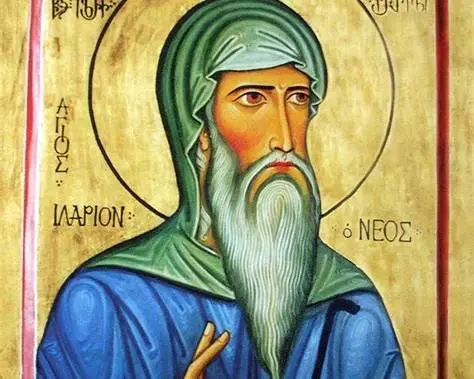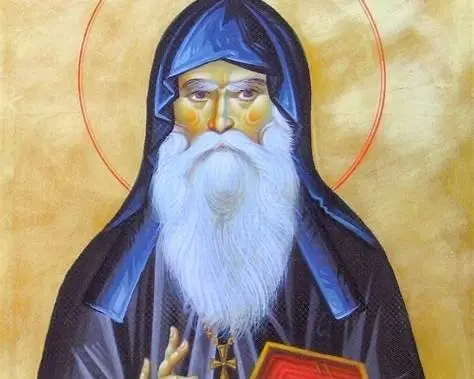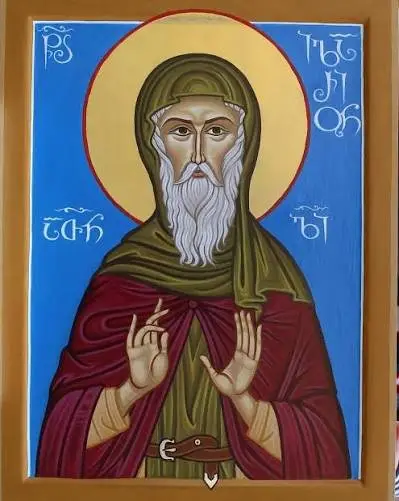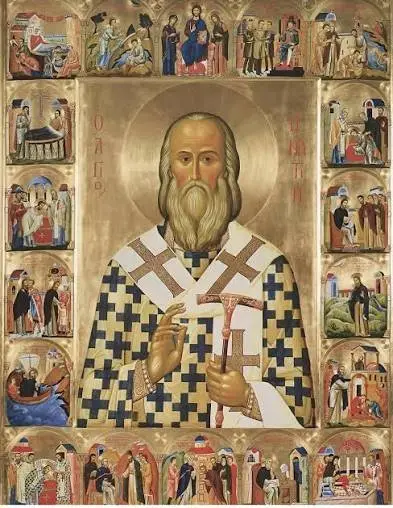
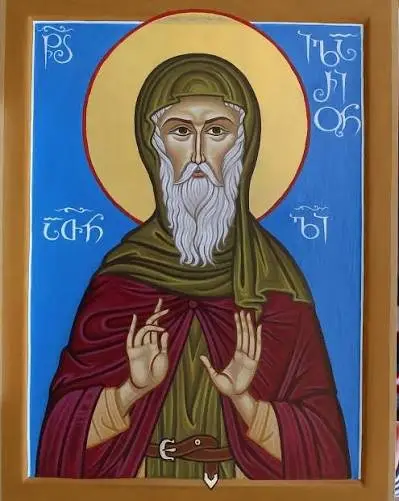
Saint Hilarion the Georgian, the New
He exchanged the splendour of the royal court for a poor man's garment and said: kings need power, I need only silence to speak with God. The rocks of Athos sheltered the man who left glory behind to find his own soul. The Georgian manuscripts saved by his hand bear witness to this day that one man, on a distant mountain, was able not to lose the voice of his homeland.
- Feast
- 14 (27) February
Saint Hilarion the Georgian, the New, in the world Iese Kanchaveli, is one of the outstanding spiritual figures of the 19th-century Church of Georgia: an ascetic, a confessor and a great father of the Holy Mountain of Athos. His life is bound up with a difficult historical age for Georgia, when the kingdom of Imereti was losing its independence and the country was falling under the influence of the Russian Empire. At different stages of his life the saint served in Georgia, in Russia, in the Ottoman Empire and on Mount Athos, yet everywhere he remained a faithful servant of his homeland and of the Orthodox faith.
Saint Hilarion was born in 1776 in Imereti, in the village of Losiatkhevi in the district of Shorapani, into the family of the devout nobles Khakhuli and Mariam Kanchaveli. At baptism he was named Iese. At the age of six he was taken in by his mother's brother, the hierodeacon Stepane. Father Stepane was known for his strict ascetic life, and from an early age he accustomed little Iese to prayer, fasting, obedience and a secluded life. It was in childhood that the foundation was laid of the spiritual firmness which later became the chief mark of his whole life.
After the death of the hierodeacon Stepane, Iese moved to the monastery of Tabakini. Later he wished to continue his studies and set out for the theological school of Tbilisi, but the bishop of Nikozi, who noticed the young Iese's spiritual state, advised him to turn back and follow the road the Lord had appointed for him.
His spiritual upbringing is also linked with Archimandrite Geronti Sologashvili, who for a time lived in the monastery of Saint George at Jruchi. Giorgi Tsereteli entrusted the young Iese to him so that he might deepen his spiritual knowledge. Geronti gave special attention to prayer and to a strict monastic spirit. For this reason the early period of Saint Hilarion's life is also connected with the spiritual surroundings of Jruchi Monastery.
Later Iese found himself at the royal court of Imereti. He was distinguished by his piety and purity of life. Iese married Mariam, a prince's daughter; then he was ordained priest and appointed confessor of the royal court. Not long afterwards his wife died, and from then on Iese gave himself even more fully to prayer and the spiritual life.
Especially close was his bond with the last king of Imereti, Saint Solomon II. Iese became the king's confessor, spiritual adviser and faithful companion. When, under pressure from the Russian Empire, Solomon II was forced to leave his homeland, Iese Kanchaveli did not abandon the king in his trial and followed him to the Ottoman Empire. The king spent the last years of his life in Trebizond and died there.
After the king's death Iese stayed for a time in Russia with Queen Mariam. The luxury and glory of royal surroundings became a heavy burden for his ascetic soul. He refused worldly honour and possible advancement in the Church, exchanged rich clothing for a poor man's garment and at last set out on the path of a secluded life.
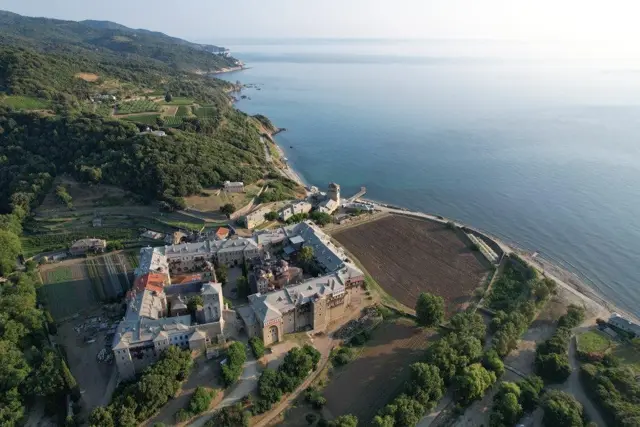
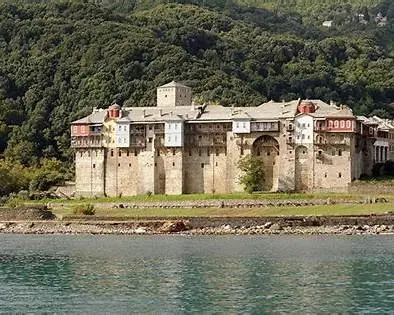
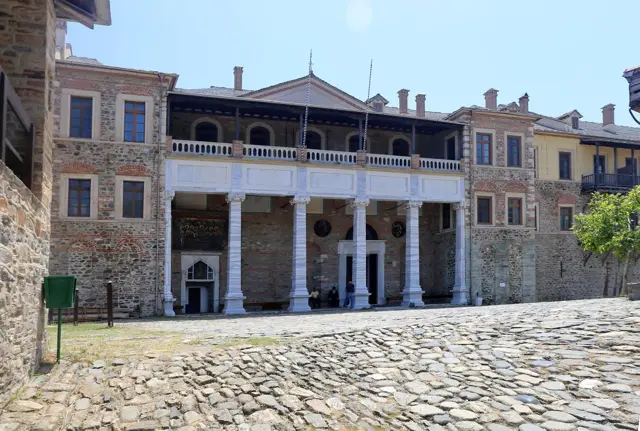
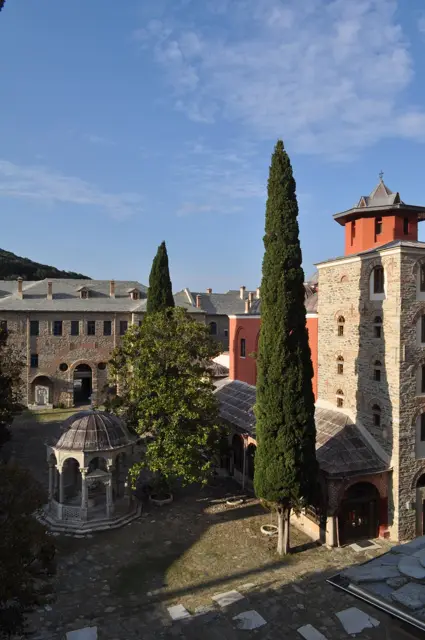
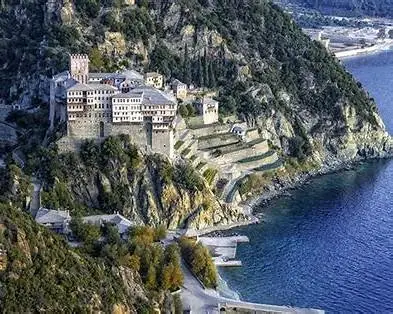
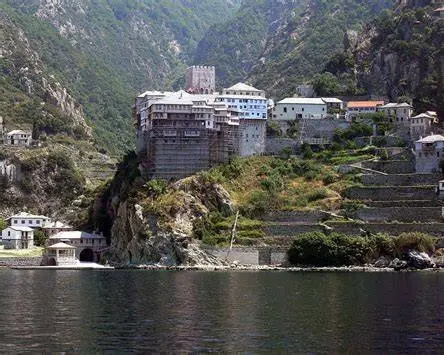
In 1819 Iese set out for the Holy Mountain of Athos. First he made a pilgrimage to the monastery of Iviron, and then moved to the monastery of Dionysiou. In 1821 he was tonsured a monk and received the name Hilarion. Although he had formerly been a court confessor and an experienced clergyman, on Athos he lived the life of a simple novice and humbly carried out the hardest tasks. When his identity and his past became known, the Athonite monks showed him special honour, but Hilarion himself fled from human glory.
In 1821–1822, at the time of the Greek uprising and the Ottoman reprisals, great danger threatened the monasteries of Athos. Father Hilarion went fearlessly before the Turkish commander, Abdul Robut Pasha. It turned out that the pasha was a Georgian by birth, taken captive in childhood and converted to Islam. Hilarion boldly reminded him of the Christian faith and was not afraid of the danger of death.
His firmness was so great that he even desired a martyr's death, yet he escaped execution. Later he served the Christians held in the prison of Thessalonica and gave spiritual encouragement to those who were in trial.
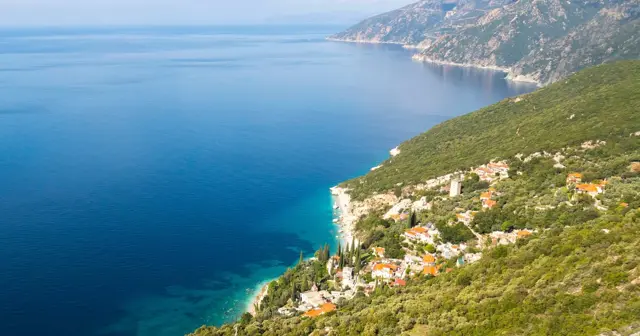
After his return to Athos, Saint Hilarion began an even stricter ascetic life. He lived in caves and solitary places, fasted severely, prayed by night and had renounced almost entirely every earthly comfort. He spent several years in the tower of New Skete. The hard struggle weakened his body, but his spiritual authority grew ever greater. Monks and pilgrims came to him for counsel and blessing.
A special feature of Father Hilarion's life was also that he never sought outward glory. The honour received at the royal court, the rank of priest and the authority gained on Athos were never a goal for him. When he felt that human honour was hindering his solitude, he moved elsewhere and once again sought silence and prayer.
Of special importance was his work in the monastery of Iviron. There Saint Hilarion set about studying the Georgian books and manuscripts, compiled a catalogue and gathered important extracts. The collection he prepared, the “Flower Garden”, took shape in twelve volumes and consisted chiefly of lives of saints. Through this work he made an important contribution to preserving and spreading the Georgian spiritual heritage kept on Athos.
The course of his life clearly brings together the centuries-old spiritual bond between Georgia and the Holy Mountain of Athos. By his care for the Georgian manuscripts at Iviron, by his dealings with the Athonite monks and by his own ascetic life, Hilarion brought back to life in the 19th century the Georgian monastic tradition that had existed on the Holy Mountain for centuries.
In the last years of his life Saint Hilarion fell gravely ill, yet he accepted illness too with spiritual peace and gratitude. Before his death he asked his disciple, Father Sabbas, to bury his body in secret, so that even after death he might avoid human glory.
Saint Hilarion the Georgian, the New, reposed on the Holy Mountain of Athos on 12 February 1864. In 1867 his holy relics were uncovered and, according to Church tradition, a sweet fragrance spread from them. The memory of his holiness and spiritual struggle was handed down among the Athonite fathers from generation to generation.
By the decision of the Holy Synod of the Georgian Orthodox Church of 17 October 2002, the hieroschemamonk Hilarion Kanchaveli was officially numbered among the saints and named Saint Hilarion the Georgian, the New. His memory is kept on 14 February in the Old Style and 27 February in the New Style.
Today Saint Hilarion the Georgian, the New, is venerated as a great Georgian father of Athos, a confessor, an ascetic and a spiritual guide. His life teaches us humility, faithfulness to the faith, love of homeland, firmness in trial and complete obedience to the will of God.
Hymns of Saint Hilarion the Georgian, the New
Below are the texts of the Greek hymns dedicated to Saint Hilarion the Georgian, together with a possible Georgian translation. The Georgian text is offered as a possible translation of the Greek original, and not as an official liturgical text of the Georgian Orthodox Church.
Ἀπολυτίκιον · Troparion
Greek text
Της ερήμου ο έρως, ισαγγέλων τα τάγματα, και της προσευχής η γλυκύτης, Ιλαρίων κατατιτρώσκει σήν ψυχήν· νηστεία, αγρυπνία, προσευχή, εγγάμου βιοτήν καταλιπών, ανεδείχθης μοναζόντων, ερημιτών εγκλείστων ισοστάσιος. Δόξα τώ δεδωκότι σοι ισχύν, δόξα τώ σε δυναμώσαντι, δόξα τώ δωρουμένω σε ημίν πρότυπον ένθεον.
Possible Georgian translation
უდაბნოს სიყვარულმა, ანგელოზთა მსგავსმა ცხოვრებამ და ლოცვის სიტკბოებამ განგიმსჭვალა სული, ილარიონ. მარხვით, მღვიძარებითა და ლოცვით, დატოვე რა ოჯახური ცხოვრება, მონაზონთა შორის გამოირჩიე და უდაბნოს დაყუდებულ მამებს გაუთანაბრდი. დიდება მას, ვინც ძალა მოგცა; დიდება მას, ვინც განგამტკიცა; დიდება მას, ვინც ღვთივსულიერ მაგალითად მოგვივლინა შენი თავი.
Κοντάκιον · Kontakion
Greek text
Της Γεωργίας τον βλαστόν τον θεοτίμητον, και τον του Άθω ερημίτην θεοφώτιστον, ευφημούμεν οι πιστοί θείοις εγκωμίοις. Αγαπήσας Ιλαρίων βίον ένθεον, ενεκλείσθης εν τώ Πύργω ευφραινόμενος· όθεν κράζομεν· χαίρε πάτερ ισάγγελε.
Possible Georgian translation
საქართველოს ღვთივპატივცემულ ნერგს და ათონის ღვთივგანბრძნობილ მეუდაბნოეს, ჩვენ, მორწმუნენი, ღვთივსულიერი ქებით გადიდებთ. შეიყვარე რა, ილარიონ, ღვთისთვის მიძღვნილი ცხოვრება, სიხარულით დაეყუდე კოშკში; ამიტომაც გიხმობთ: გიხაროდენ, მამაო, ანგელოზთა თანასწორო.