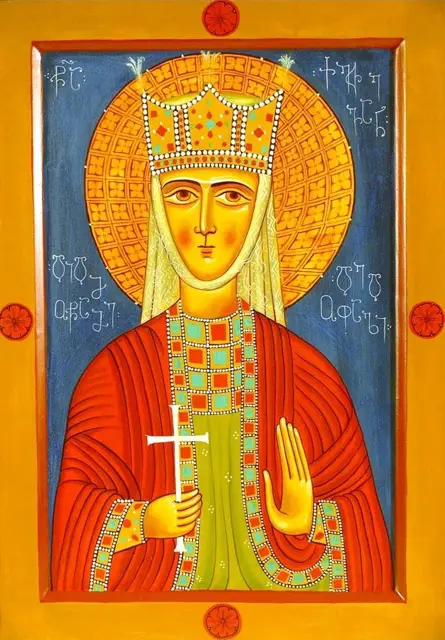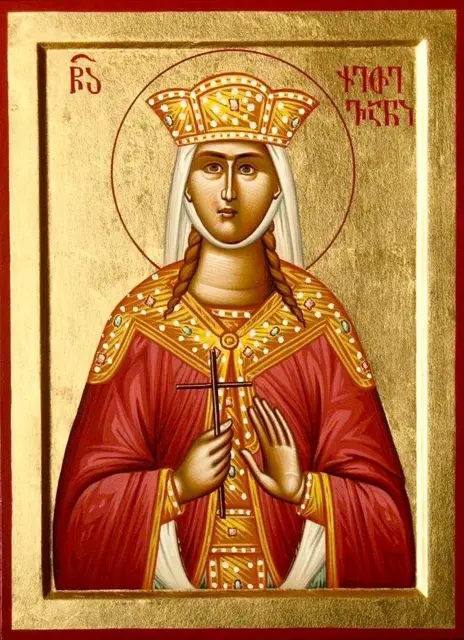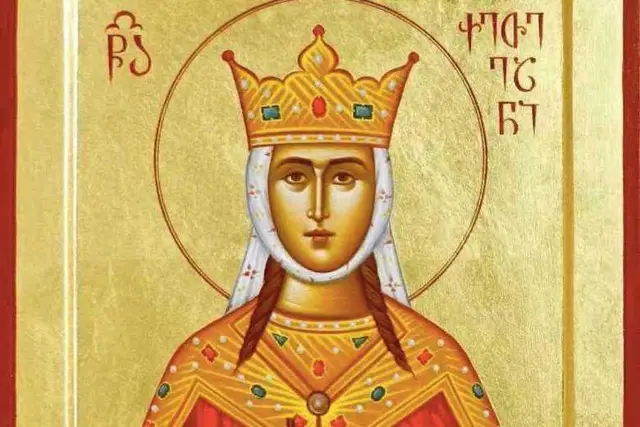
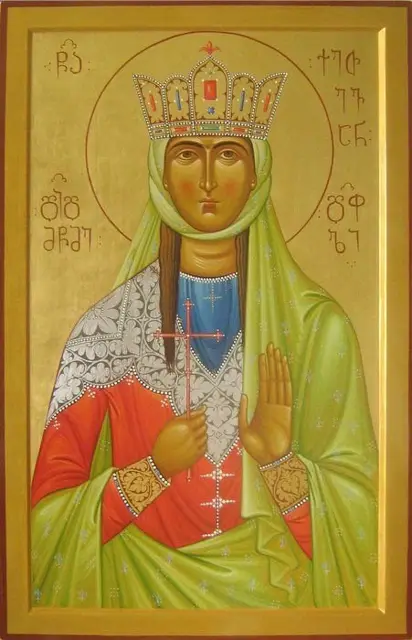
Saint Ketevan the Martyr
For ten years, in the darkness of captivity, she kept her faith like a candle: neither wind nor threat put it out. In the square of Shiraz, where her flesh was destroyed, her soul rose again, and to this day her name tells the Georgian woman that the heaviest crown may also be the lightest, if it is clothed in the love of God.
- Feast
- 13 (26) September
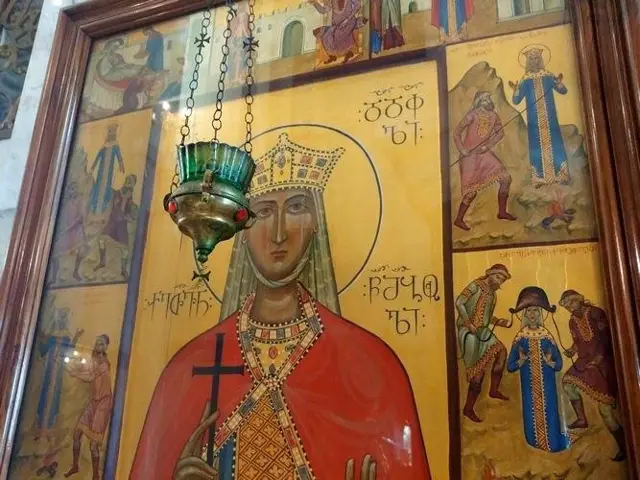
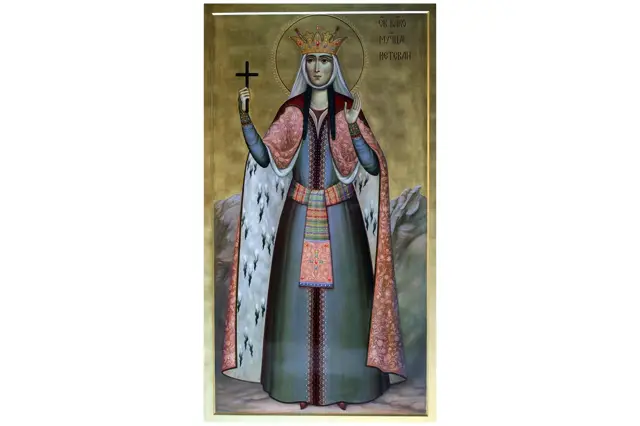
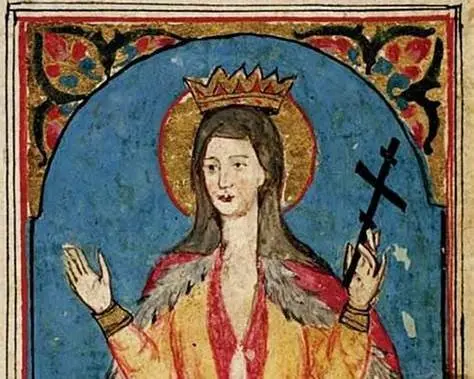
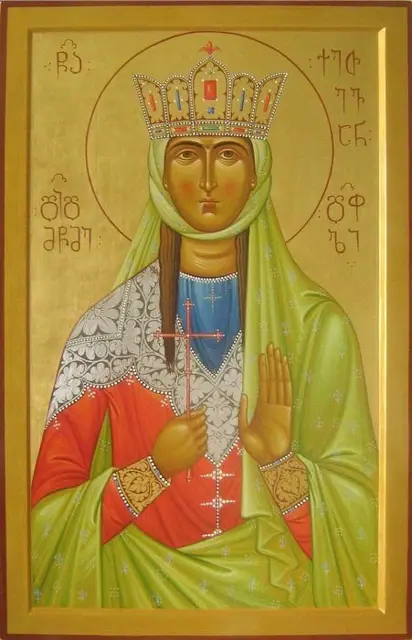
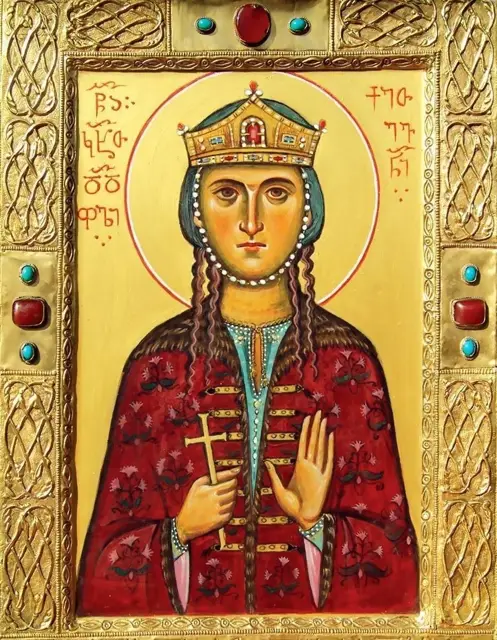
Saint Ketevan the Martyr, queen of Kakheti and one of the greatest martyrs of the Church of Georgia, is for the Georgian people a singular symbol of Christian faith, dignity, steadfastness and loyalty to the homeland. Her life belongs to one of the hardest periods in the history of Georgia, when Kakheti was threatened by the political pressure of Shah Abbas I of Persia, by devastating campaigns and by the mass deportation of its people. Despite long captivity and cruel trials, Queen Ketevan chose a martyr's death rather than deny the Christian faith, and she won an immortal place in the history of the Church of Georgia.
Saint Ketevan was born in the second half of the 16th century into the Mukhrani branch of the Bagrationi family. She was the daughter of Ashotan Mukhranbatoni and from childhood grew up surrounded by Christian faith and Georgian royal traditions. Later Ketevan married David, the eldest son of King Alexander II of Kakheti. They had a son, Teimuraz, and a daughter, Elene.
David held the throne of Kakheti for a short time, but he died in 1602 and Ketevan was left a widow. Her son Teimuraz was still young, and in the following years a great responsibility fell on the queen, not only for her own family but also for the fate of the kingdom of Kakheti.
The situation in the country became especially grave when Constantine-Mirza, a son of Alexander II who had been brought up at the court of the Shah of Persia and had embraced Islam, returned to Georgia. He had his own father and brother killed and tried to seize power in Kakheti.
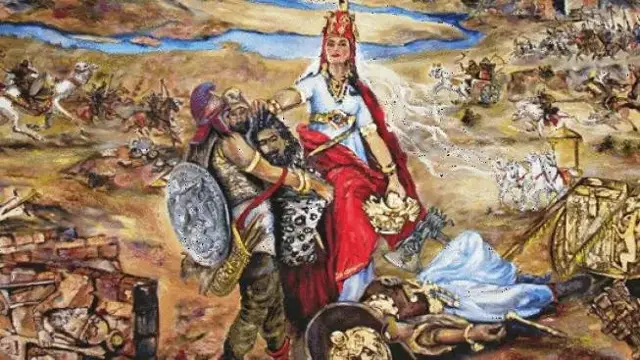
Constantine-Mirza also demanded that Ketevan marry him. For the queen this demand was unacceptable, both because of the Christian faith and because of the honour of the family. Ketevan organised resistance together with the nobles of Kakheti. Constantine was finally defeated and killed, and the queen asked Shah Abbas to confirm her son Teimuraz as the lawful king of Kakheti. In 1606 Teimuraz I became king of Kakheti.
But the period of peace for Kakheti proved short. Shah Abbas sought to strengthen his influence over the eastern kingdoms of Georgia even further. In 1614 he demanded hostages from Teimuraz as a sign of loyalty. To avert a grave political situation, Queen Ketevan and her grandson Alexander travelled to Persia. Later the shah also demanded Teimuraz's second son, Levan.
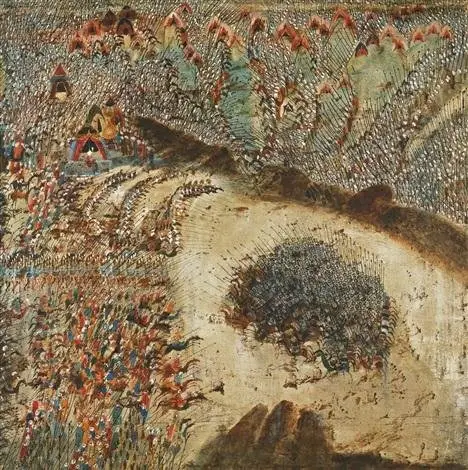
Despite this sacrifice, Shah Abbas invaded Georgia all the same. Kakheti fell victim to terrible wars and devastation; a large part of the population perished or was deported to various regions of Iran. The fate of Ketevan's grandsons also proved tragic, and the queen herself was finally taken to Shiraz.
Saint Ketevan spent about ten years in captivity in Persia. In a foreign land, far from her homeland and her family, she lived in prayer, fasting and spiritual steadfastness. She encouraged the Georgians who were with her, helped those in need and kept them faithful to the Christian faith. Church tradition presents Ketevan, even in captivity, as a spiritual mother of the faithful.
In the end Shah Abbas tried to break the queen's spiritual steadfastness. Ketevan was required to abandon the Christian faith and accept Islam. Before her lay the choice: to keep her life and her position by denying the faith, or to accept martyrdom out of faithfulness to Christ.
The governor of Shiraz, Imam Quli Khan Undiladze, who was of Georgian origin, tried to save the queen from death. According to tradition, he advised Ketevan to submit at least outwardly to the shah's demand and so save her life. But for the queen faith was not merely a private feeling hidden in the heart: it meant confessing Christ openly.
Ketevan knew well what awaited her. She began to prepare for martyrdom with prayer and fasting. Church tradition presents her at that moment not as a defeated captive, but as someone who had already overcome the fear of death within herself.
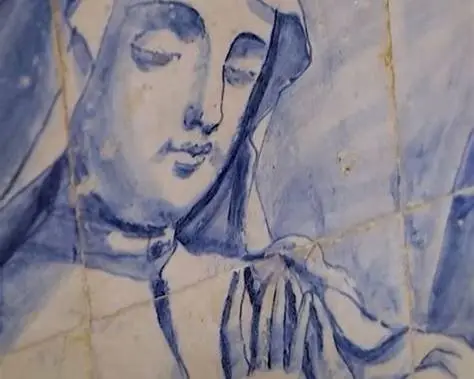
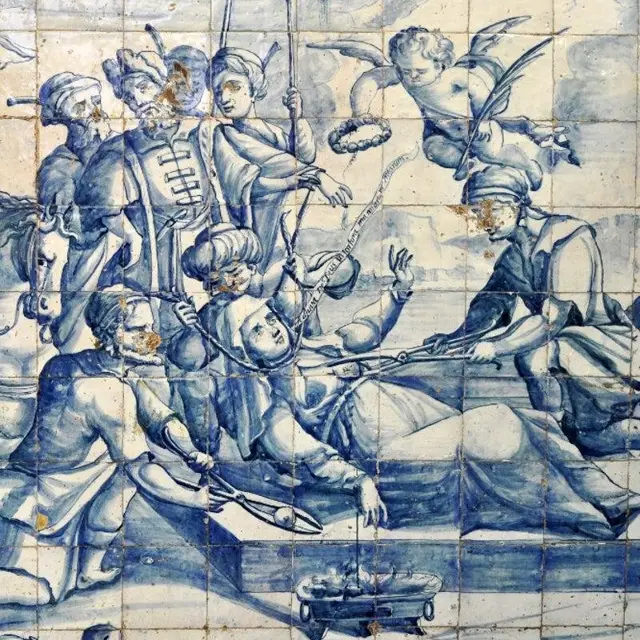
In 1624, in Shiraz, the queen was asked for the last time to deny Christ. Ketevan again firmly refused. She was then subjected to cruel torture. Historical and Christian sources describe the terrible suffering the queen endured. Despite this, she remained faithful to Christ until the last minutes of her life. Her martyrdom and death were also described by the Portuguese Augustinian missionaries who were in Shiraz at that time.
The martyrdom of Saint Ketevan was not merely the personal tragedy of one person. In the memory of the Church of Georgia it became a great victory of spiritual freedom and of faithfulness to the faith. The queen was deprived of her homeland, her family, her freedom and finally her life, but she could not be forced to deny Christ.
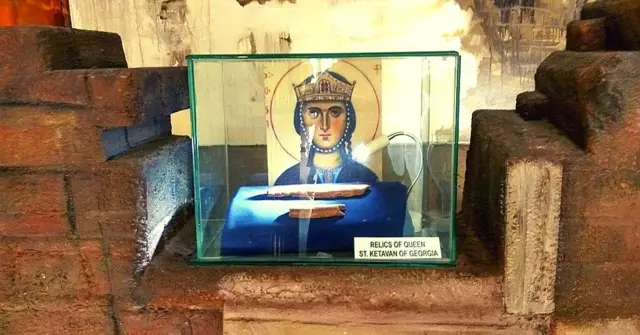
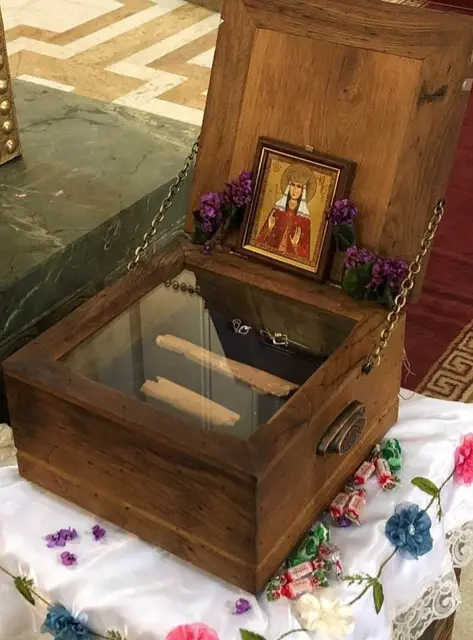
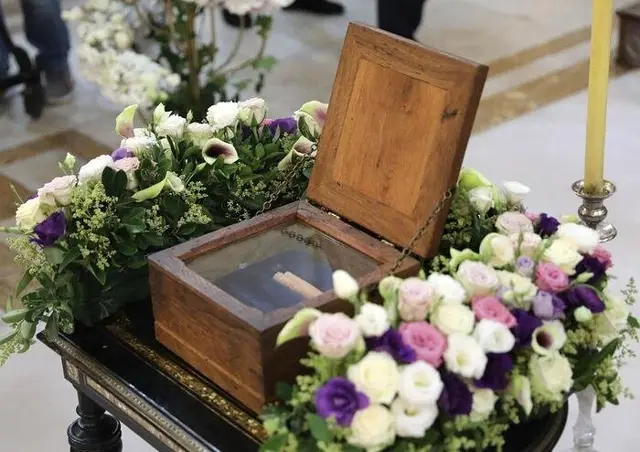
After her death a remarkable history of Saint Ketevan's relics began. The Portuguese Augustinian monks in Shiraz managed to save part of her holy relics. Later a portion of them was brought to Georgia and given to her son, King Teimuraz I. They were laid in the monastery of Alaverdi, which was especially connected with the history of Ketevan and of the royal family of Kakheti.
Yet the history of Saint Ketevan's relics did not end there. The Augustinian missionaries took part of her relics to India, to Goa, where they became connected with the monastery of Saint Augustine. Centuries later, archaeological research in the ruins of the monastery brought to light a relic associated with Saint Ketevan, and later scientific studies added important evidence to this historical tradition.
Thus the story of the Georgian queen's martyrdom spread from Georgia to Persia and India. The name of Saint Ketevan became known not only in the Georgian Orthodox world: Western Christian missionaries also bore witness to her martyrdom, which found a particular echo in European literature and historical sources.
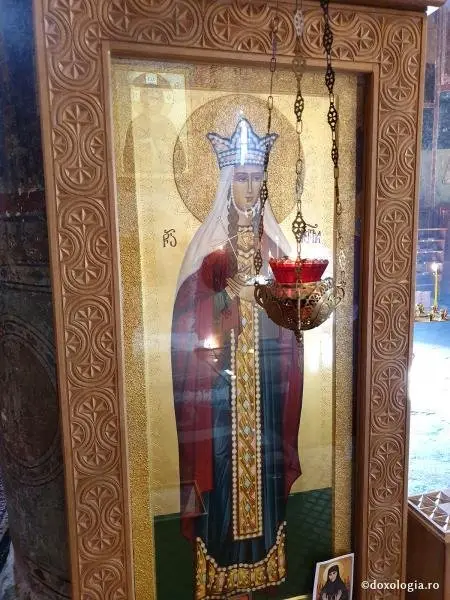
The Orthodox Church of Georgia venerates her as the holy great martyr Queen Ketevan and celebrates her memory on 13 (26) September, according to the old and the new calendar. Her martyrdom has remained for the Georgian people one of the strongest testimonies of faithfulness to Christ.
The life of Saint Ketevan reminds us that true power does not lie only in a royal crown, in an army or in earthly authority. When everything that defined her earthly position as queen was taken from her, there remained what no one could take away: faith, dignity and free faithfulness to Christ.
Today Saint Ketevan the Martyr remains for the Georgian people a singular example of faith, steadfastness, dignity and self-sacrifice. With her own life she bore witness that neither many years of captivity, nor separation from the homeland, nor the tragedy of one's family, nor promises of power, nor cruel torture can force a person to deny what he truly believes. Having lost the crown of an earthly queen, by the faith of the Church she won the incorruptible crown of martyrdom, and centuries later she remains one of the brightest names in the spiritual history of Georgia.
Hymns of Saint Ketevan the Martyr
🎵 Troparion (Tone IV)
მოწყლულმან სურვილითა საღმრთოჲთა, წყლულებანი მრავალი თავს ისხენ და ტანჯვათა ფერადობანი ახოვნად დაითმინენ, ვინაცა წარმავალისა დედოფლობისა წილ სუფევაჲ ზეცისა დაიმკვიდრე, სამგზის სანატრელო ქეთევან, ევედრე ქრისტესა ღმერთსა შეწყალებად სულთა ჩუენთათვის.
🎵 Kontakion (Tone III)
ითვისებს თვისსა და შეიტკბობს მისთვის მოწყლულსა ზეცათა დედოფალი ქვეყნიერსა დედოფალსა ასული დავითისი ყოვლად უხრწნელი მარიამ, სანატრელსა ქეთევანს, დავითის ტომით აღმოსრულსა, რომელმან საქმით აჩვენა თვისება მისი და აწ გვირგვინითა შემკული, წინაშე მისსა იღწვის ჩუენ ყოველთათვის.