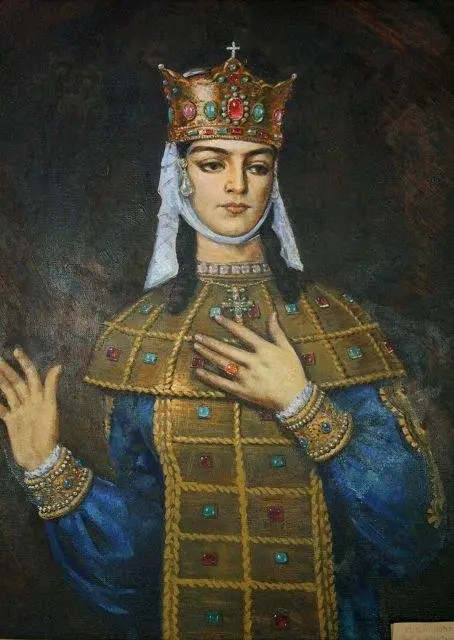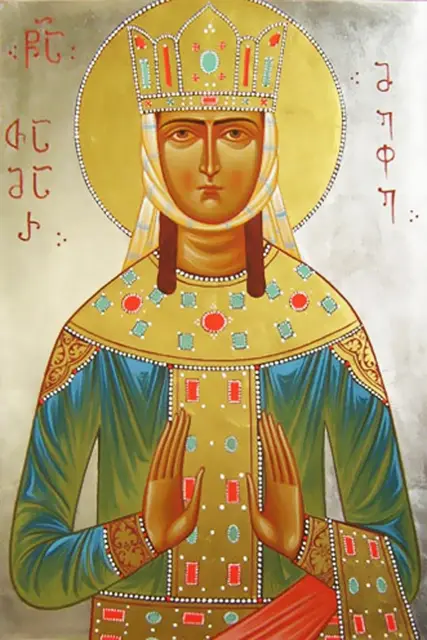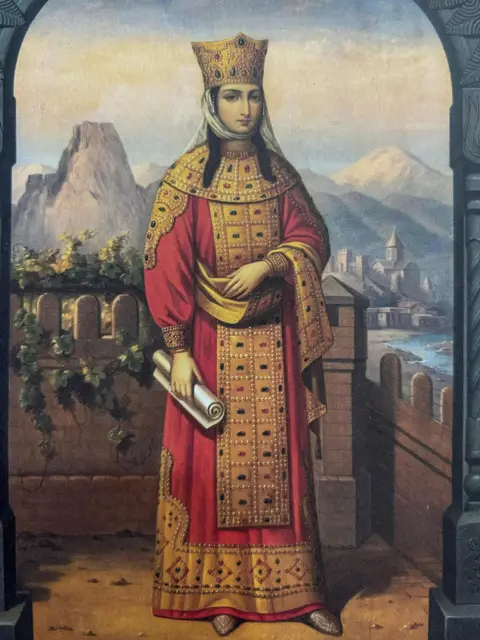
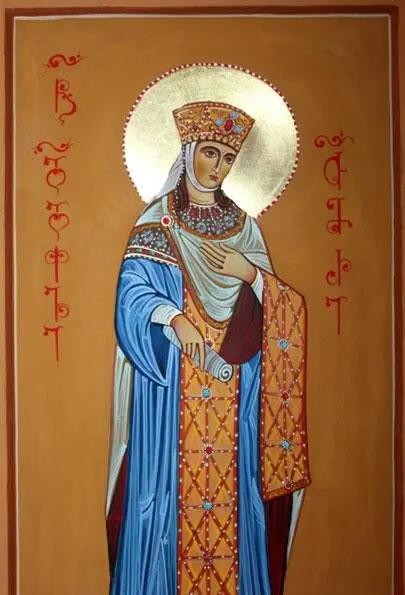
Holy Queen Tamar
In the prayer of the night, by the light of a candle, she knelt, she whom a whole nation followed. The royal crown was a burden to her, not a pride: with tears she begged God to forgive her people. And when her horsemen were victorious on the battlefield, she herself was in the church asking for God's mercy. Such was the queen who loved the Lord above all things.
- Feast
- 1 (14) May
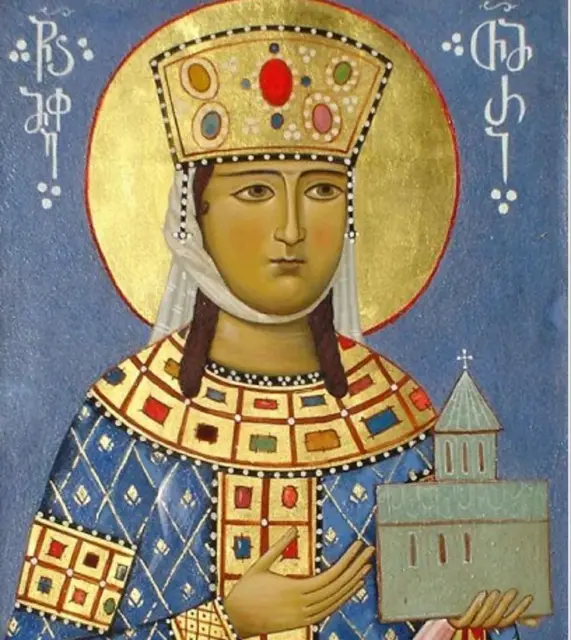
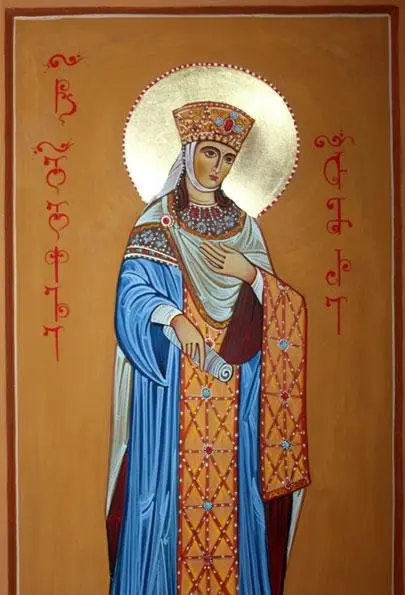
The holy and pious Queen Tamar is one of the greatest rulers in the history of Georgia and a saint of the Georgian Orthodox Church. During her reign Georgia reached the highest point of its political, military, economic, cultural and spiritual strength. The great work of strengthening the state begun by David the Builder rose to its summit in the age of Tamar, and this period has gone down in Georgian history as the Golden Age. For the Church, however, Tamar's greatness is not measured only by a strong state and military victories: she is remembered as a pious sovereign, a defender of Orthodoxy, a merciful and God-fearing ruler.
Tamar was born about the middle of the 1160s, into the family of King George III of Georgia and Queen Burdukhan. She belonged to the royal dynasty of the Bagrationi and was a descendant of David the Builder. From childhood she grew up at the royal court, and her upbringing rested on Christian faith, learning and acquaintance with Georgia's traditions of statehood.
To secure the succession to the throne of Georgia, in 1178 George III consecrated Tamar as co-ruler and gave her a share in royal authority. This step was of special importance, because the king wished to establish the legitimacy of Tamar's future rule while he was still alive.
In 1184, after the death of George III, Tamar became the sole ruler of Georgia. In Georgian historical tradition she is called precisely “Tamar mepe”, that is, “King Tamar”. This title expresses her actual position in the state: Tamar was not a king's wife, but the full sovereign of Georgia and the supreme authority of the state.
The beginning of her independent rule was not easy. The young monarch had to settle her relations with influential nobles and preserve the authority of the crown. Tamar managed the political conflicts in such a way that the unity of the state was not broken.
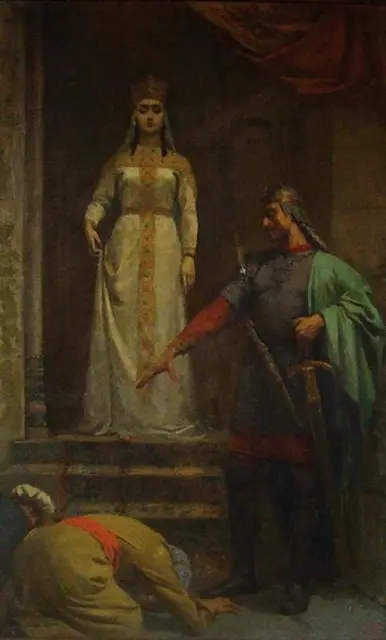
One of the well-known events of the beginning of her reign was the action of Kutlu-Arslan's party. A group of nobles tried to limit royal authority and to gain a greater share in the decisions of state. The situation held the danger of open conflict, yet Tamar was able to settle the matter by negotiation and political wisdom.
For Tamar the strengthening of the state was not separate from the spiritual condition of the Church. At the beginning of her reign a church council was convened, whose aim was to set church life in order and to strengthen Christian morals. Tamar showed special honour to clergy and monastics and regarded the well-being of the Church as one of the most important supports of the kingdom.
Under pressure from the nobles, Tamar was first married to Yuri Bogolyubsky, a prince known in Georgian sources as George the Rus. The marriage proved a failure and in the end Tamar separated from him. Later George the Rus returned to Georgia and took part in a revolt raised against Tamar. The revolt was defeated and Tamar's authority was strengthened still further.
Afterwards Tamar married David Soslan, who became her faithful companion-in-arms and an outstanding commander of the Georgian army. They had two children: the future King George IV Lasha, and Rusudan. David Soslan played an important part in the greatest military victories of Tamar's age.
Under Tamar's rule Georgia gradually became the strongest state in the Caucasus. As royal authority grew firmer, the country's military and political influence over neighbouring territories increased.
In 1195, at the battle of Shamkor, the Georgian army won an important victory. The battle further strengthened Georgia's position in the eastern Caucasus and greatly increased the international standing of Tamar's kingdom.
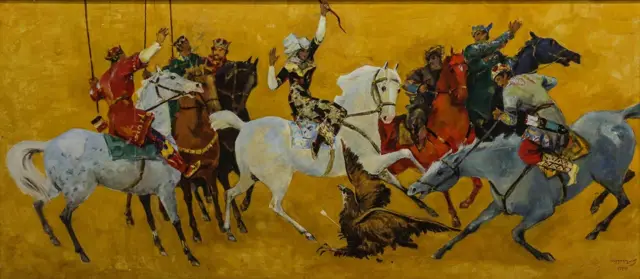
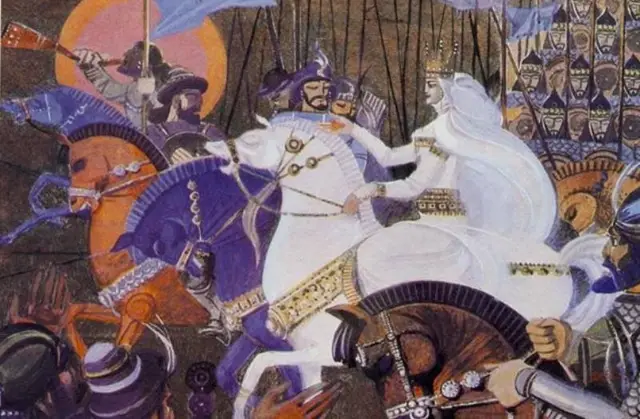
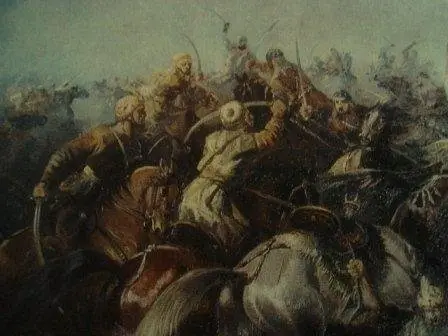
Another military event of the first importance in Tamar's age was the battle of Basiani. The sultan of Rum, Rukn ad-Din, gathered a great army against Georgia and sent Tamar a letter full of threats and insults. Georgian historical tradition relates this episode with particular vividness.
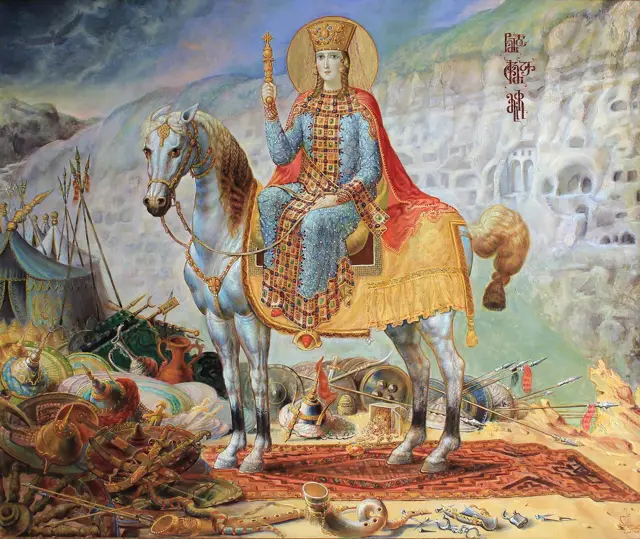
The sultan's threat did not frighten Tamar. She gathered the Georgian host, prayed in church and blessed the army for battle. Under the command of David Soslan the Georgian army met the enemy at Basiani and won a decisive victory. This victory became one of the clearest expressions of Georgia's military strength and of Tamar's authority as a ruler.
During Tamar's reign Georgia's political influence reached beyond the Caucasus. In 1204, with Georgia's support, the Empire of Trebizond was founded on the south-eastern shore of the Black Sea, headed by members of the Komnenos dynasty: Alexios and David Komnenos, who were related to Tamar.
In this period Georgia's influence extended from the North Caucasus to the South Caucasus and the Black Sea coast. By the end of Tamar's reign Georgia had become the foremost political power in the region, and her royal court was a centre that neighbouring states had to reckon with.
Yet Tamar's Golden Age was not made by military successes alone. Trade, towns, crafts, building, literature, art and learning flourished in the country. The crown supported monasteries and centres of culture both in Georgia and beyond its borders.
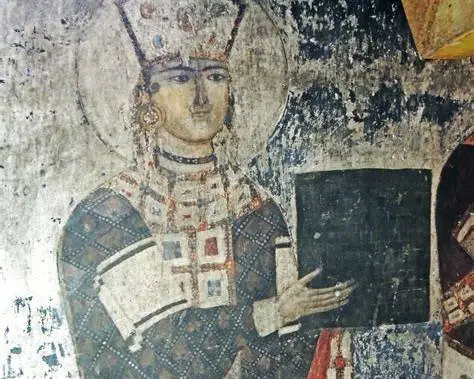
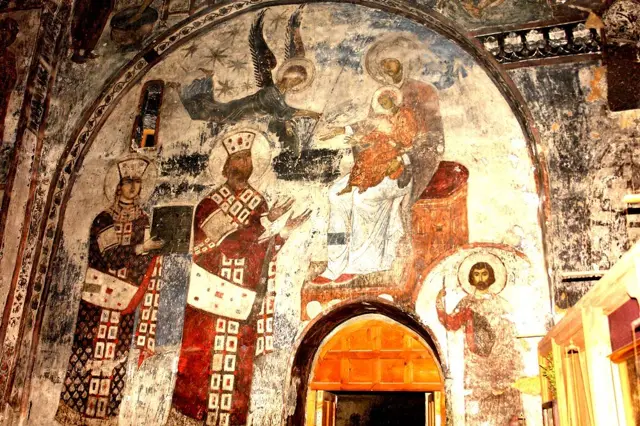
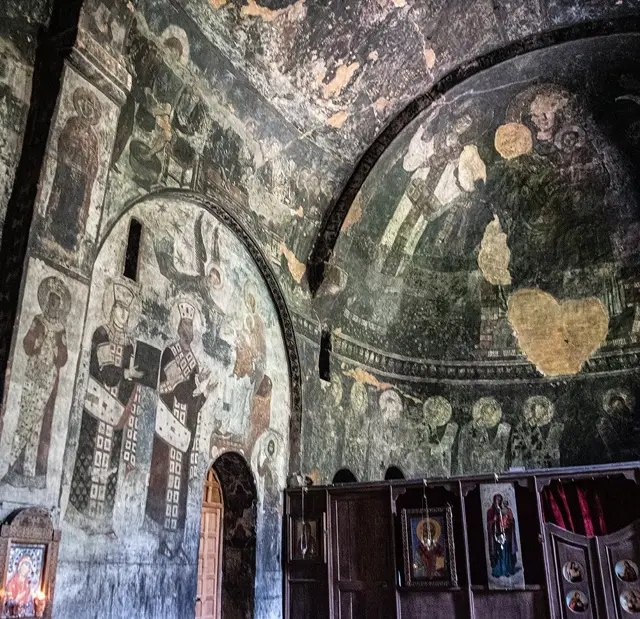
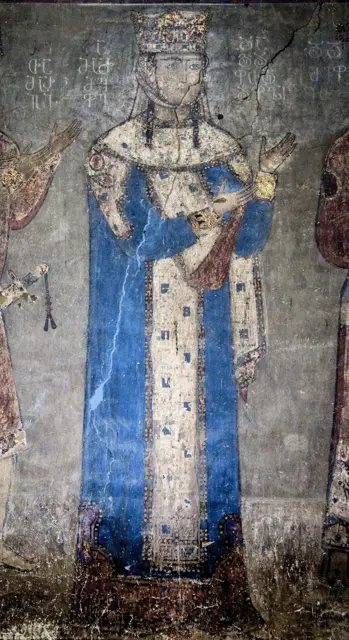
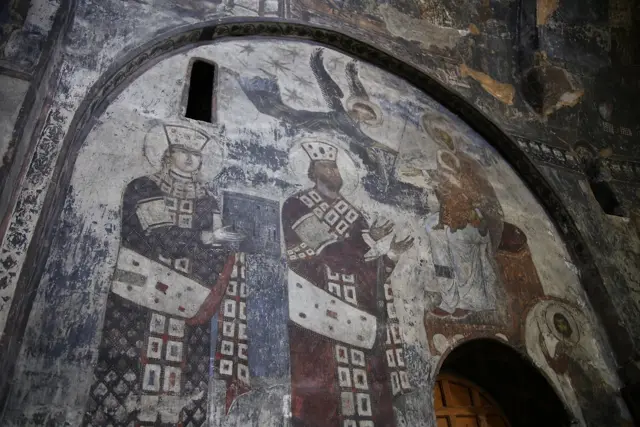
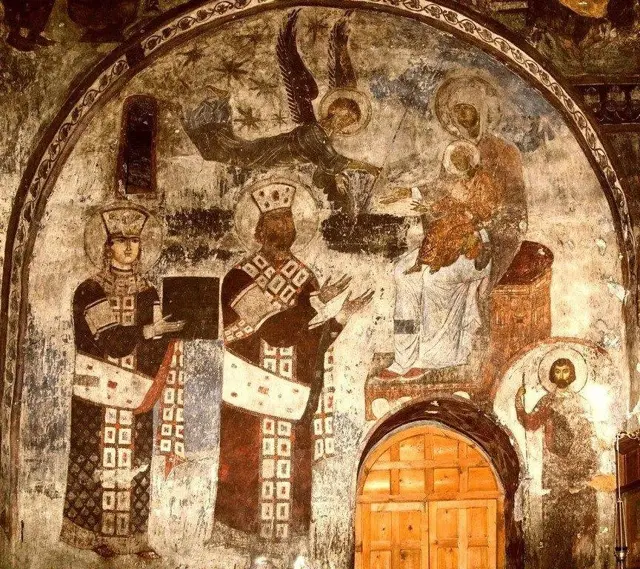
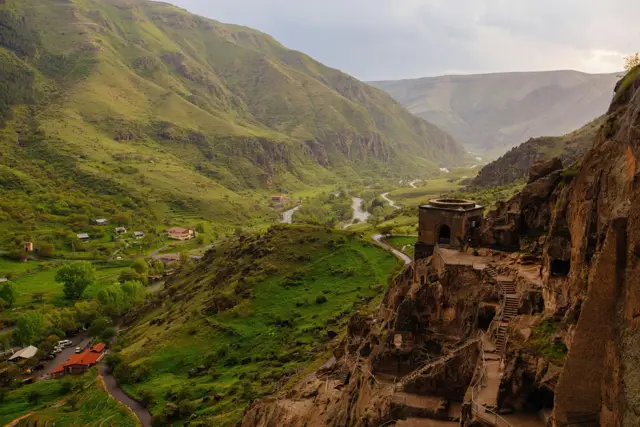
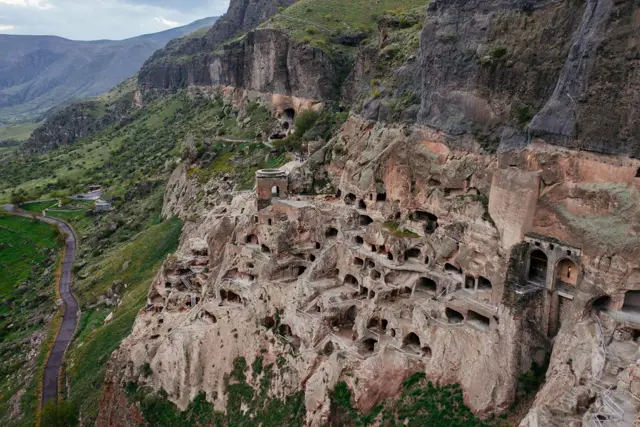
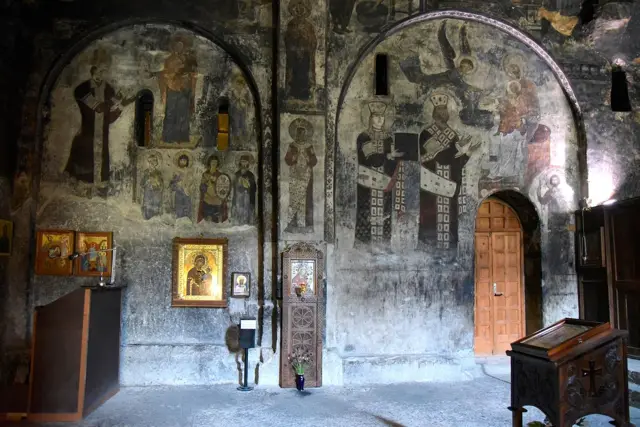
Especially closely linked with Tamar's name is Vardzia, a vast monastic complex carved in the rock. Its construction began in the time of George III, and in Tamar's age it was enlarged and took on special importance. In the Church of the Dormition of the Mother of God at Vardzia the famous fresco portraits of Queen Tamar and George III survive to this day.
Vardzia was not merely a defensive complex. It was a great monastery and spiritual centre where many monks lived and prayed. That is why Vardzia remains to this day one of the most impressive symbols of Tamar's age.
Tamar gave special help to Georgian and Orthodox monasteries outside Georgia as well. There were Georgian monastic houses in Jerusalem, on Mount Athos and in other centres of the Christian East. The sovereign's patronage helped to strengthen the international ties of Georgian spiritual culture.
During her reign Georgian literature reached a special height. To Tamar's age belong the work of Shota Rustaveli and the greatest creation of Georgian literature: “The Knight in the Panther's Skin”. The cultural setting created at Tamar's court fostered the flowering of Georgian literature, art and intellectual life.
Another important side of Tamar's rule was mercy and care for those in need. Church and historical tradition present her as a ruler who spent part of the royal income on the poor and the needy. For her kingship was not only power, but service and responsibility before the people.
Despite her immense political power, Church tradition presents Tamar as a humble, prayerful and God-fearing Christian. She fasted, prayed, gave alms and helped the monasteries. Even military victories she did not regard as her own glory, but ascribed to the help of God.
Here the special side of Tamar's character can be seen: she was at once the ruler of a vast state and a Christian who understood her own authority as a responsibility laid upon her before God and the nation.
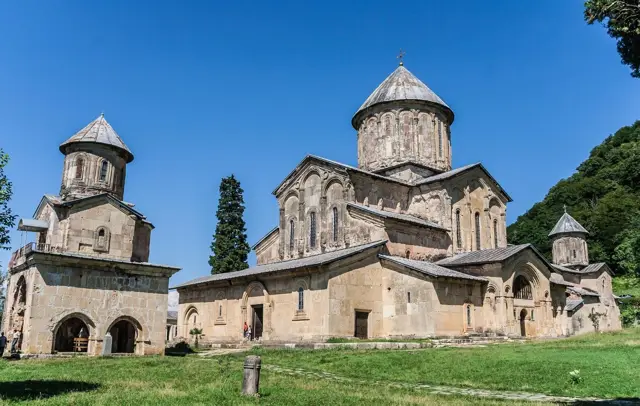
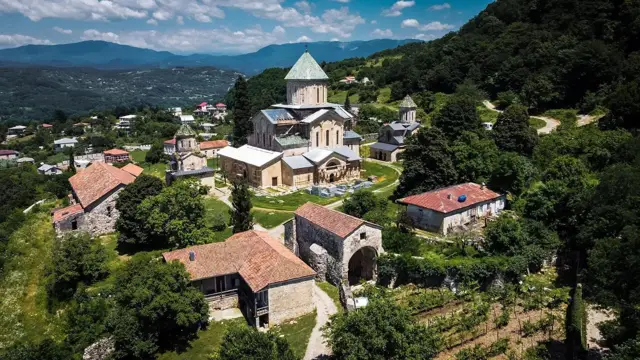
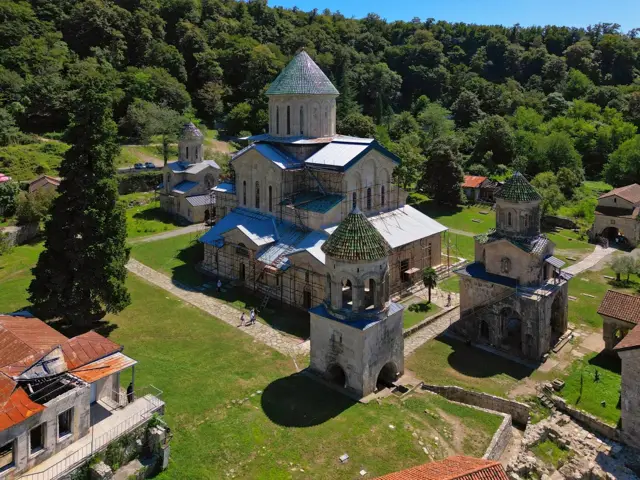
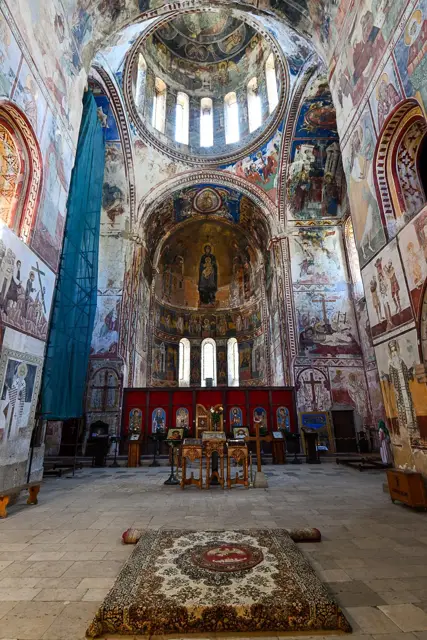
Queen Tamar died at the beginning of the 13th century, about 1213. In Georgian historical tradition her death is presented as a great sorrow for the whole country. According to the historical sources, her remains came in the end to be associated with the monastery of Gelati, although the exact location of Tamar's grave has not been finally established to this day. Over the centuries many traditions and legends have arisen about her last resting place.
After Tamar's death Georgia's political strength continued for a time, but the years of her reign remained in the historical memory of the Georgian people as the highest summit of the country's development as a state and as a culture.
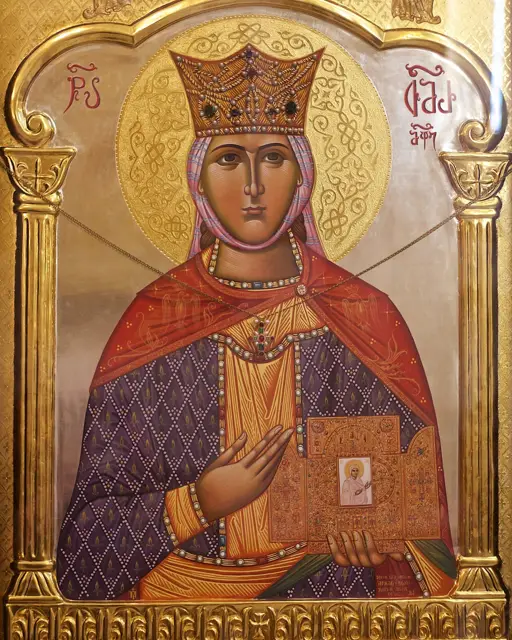
The Georgian Orthodox Church canonised Tamar and honours her as a holy and pious sovereign, a defender of Orthodoxy, a merciful ruler and an outstanding example of a Christian in authority.
The Georgian Orthodox Church celebrates the memory of the holy Queen Tamar on 1 (14) May, according to the old and the new calendar. Her memory is also kept on the Sunday of the Myrrh-bearing Women.
To this day the holy Queen Tamar remains for Georgia one of the most important symbols of faith, unity, statesmanlike wisdom, justice and national strength. Under her rule Georgia not only reached the summit of military and political power, but created a cultural and spiritual heritage that centuries later is still part of Georgian identity.
Tamar's age showed that a country's strength is not measured only by a great army and widened borders. In her time a strong state, Christian faith, learning, culture, art and social responsibility were joined together. That is why Tamar's name remains inseparably linked with the most brilliant period of Georgian history: Georgia's Golden Age.
Hymns of the Holy Queen Tamar
🎵 Troparion
წმიდათა შორის საკვირველო, კეთილმორწმუნეო მეფეო თამარ, რომელმან კლდეთა ზედა მაღალთა აღაშენენ საყდარნი სავედრებელად ღვთისა, ლოცვითა შენითა განაძლიერე მხედრობანი ქრისტეს მოყვარისა ქართველთა ერისანი, ხოლო მარჯუენითა შენითა დაამხვენ სპანი აგარიანთანი, მისითა მეოხებითა ქრისტე ღმერთო, აცხოვნე სულნი ჩუენნი.
🎵 Kontakion
ზეციური სიბრძნჱჲ და ცხოვრებაჲ მოიგე და ბრწყინავ, ვითარცა მზჱ, ხოლო შარავანდეთთა მიერ საქმეთა შენთაჲთა განანათლებ ყოველთა, რომელნი სურვილით აქებენ პატიოსანთა ღვაწლთა შენთა, სამ-გზის სანატრელო, მეფეო თამარ, ჩვენ მოყვარეთა შენთა და სურჳლით პატივისმცემელთა მოგუეც ზეცით ცხოვრებისა წარმართებაჲ და შეცოდებათა ჴსნაჲ.