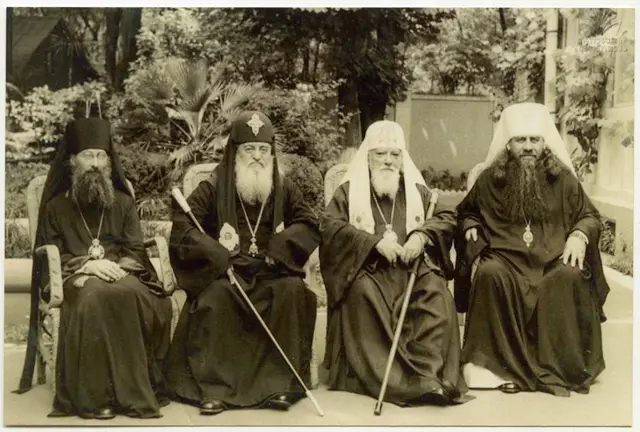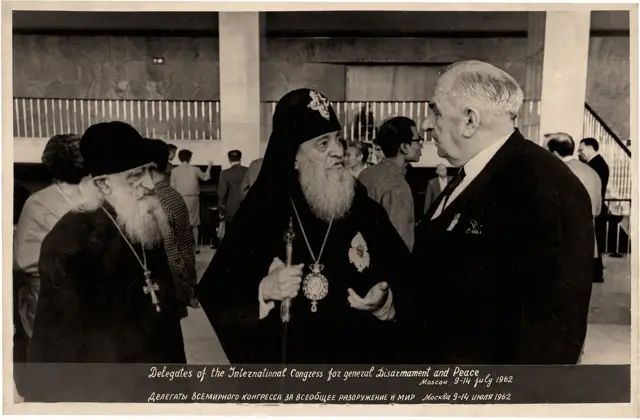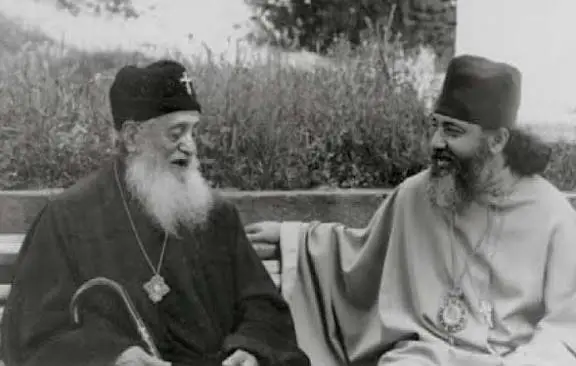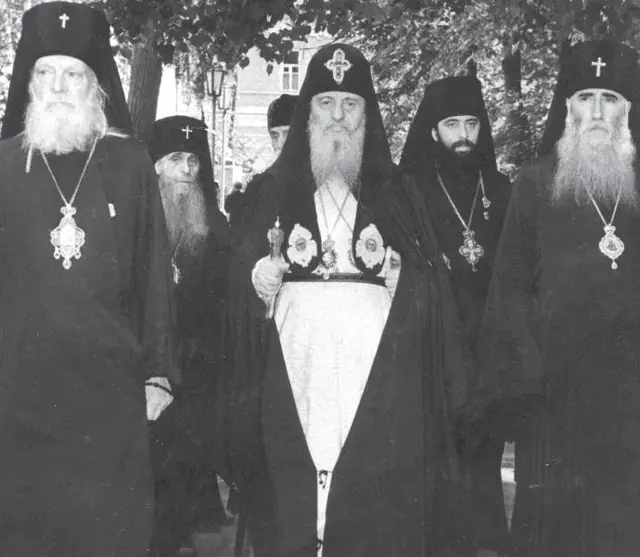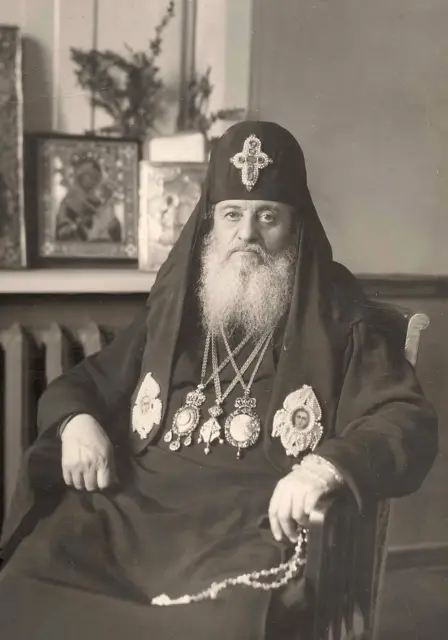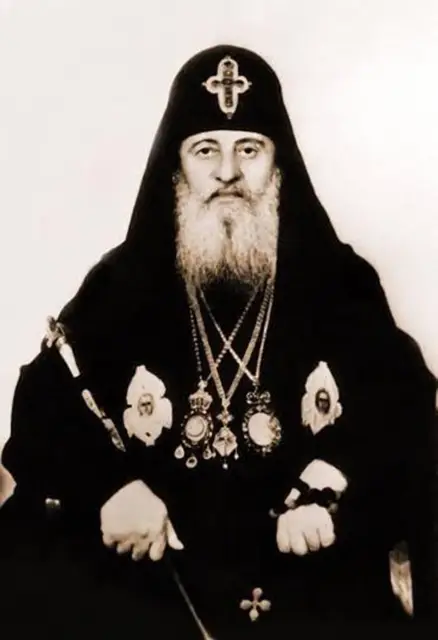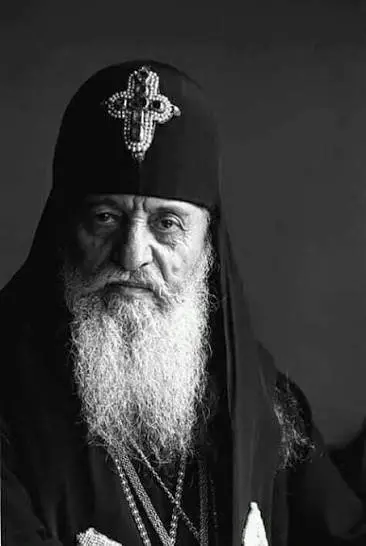
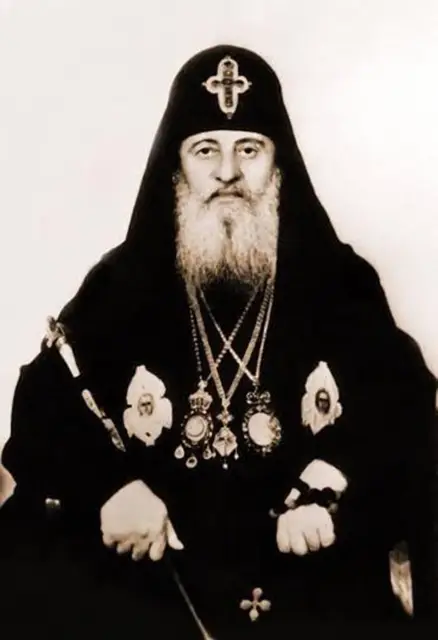
Ephraim II, Catholicos-Patriarch of All Georgia
They took from him his homeland, his church and his freedom, but they could not take his inner faith. The years of exile halted his path but did not end it: on his return he stood again in the very place from which he had been taken. His prayer opened the door of the seminary to young men, one of whom would later lead the Church for half a century. Such is the legacy that neither persecution can break nor time erase.
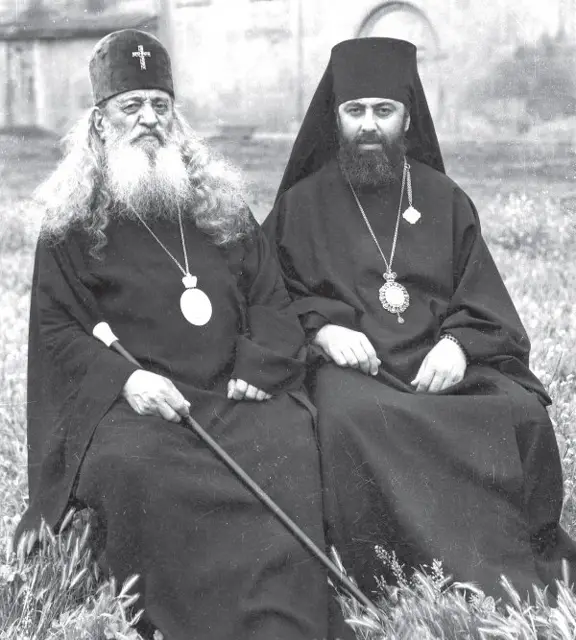
In 1960 a bishop who had experienced the weight of the Soviet era in his own life took the head of the Church of Georgia. Ephraim II had already been a bishop, a prisoner, an exile and a man who returned to his homeland. Now he had to lead a Church that lacked clergy and needed to raise a new generation. Thus his patriarchate began: at the head of the Church stood a bishop who had not abandoned his ministry even in the hardest years.
Ephraim II, in the world Grigol Shios dze Sidamonidze, was born on 19 October 1896 in Kartli, in the village of Doesi. He studied at the Gori theological school, and in 1918 he graduated from the Tbilisi Theological Seminary. He then continued his studies at the Faculty of Philosophy of Tbilisi State University.
His youth coincided with turning-point years in Georgia's history. The restoration of independence was soon followed by the establishment of Soviet power. The life of the country changed, and so did the situation of the Church. Grigol chose the church path precisely when that path no longer came with peace and safety.
In 1922 he was tonsured a monk and given the name Ephraim. The same year he began his church ministry. In 1925 he was raised to the rank of archimandrite, and in 1927 he was consecrated bishop. He was first Bishop of Manglisi and then of Ninotsminda; at various times he was also entrusted with governing other eparchies.
The young bishop had to serve in an environment where pressure on the Church was an everyday reality. It was becoming ever harder for clergy to carry out their work. The fate of churches, monasteries and faithful depended on state policy. In such years remaining in the service of the Church did not mean merely keeping a post. It was a responsibility to the people who still sought the church, prayer and a pastor.
Then the hardest period of Ephraim's life came.
In 1937 he was arrested and exiled from Georgia. It was a time of mass repression, when many families were robbed of their loved ones and the lives of many people were changed by violence. Ephraim too was torn away from his homeland, from the Church and from the people among whom he served.
We can name the years of arrest and release, but dates cannot fully tell us what each day spent far from the homeland means. In speaking of these years the most important thing is that his story did not end with exile.
In 1944 Ephraim was released. After returning to his homeland he again entered the service of the Church. He was appointed Bishop of Kutaisi-Gaenati, and in 1945 he was raised to the rank of metropolitan. In the following years he cared for various eparchies; from 1953 he led the eparchy of Batumi-Shemokmedi.
His return did not cancel the pain he had endured. Nor did it bring back the years he had spent far from his homeland. But he continued his ministry. It is precisely this decision that gives his life special strength: he could have stepped back, yet he chose the Church again and the responsibility he had once taken on.
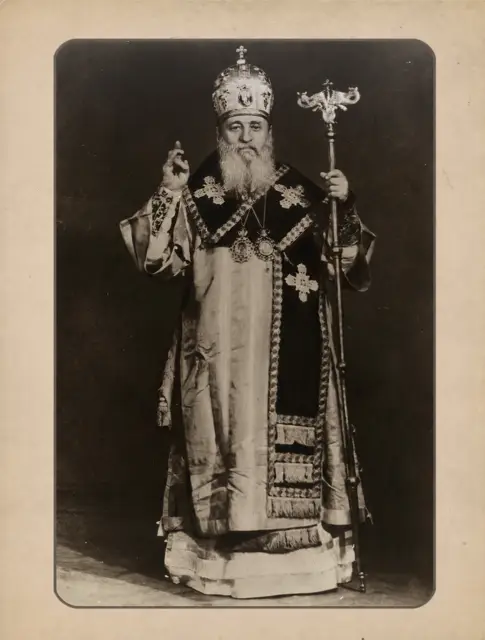
In 1960, after the death of Catholicos-Patriarch Melchizedek III, the Church of Georgia needed a new primate. On 20 February the church council elected Metropolitan Ephraim Catholicos-Patriarch of All Georgia. He ascended the patriarchal throne under the name of Ephraim II.
Before him stood more than the concerns of the day. The Church needed clergy, and future priests needed the opportunity to be educated. If a new generation was not prepared, it would become ever harder to continue the Church's ministry. That is why care for theological education became one of the important tasks of his patriarchate.
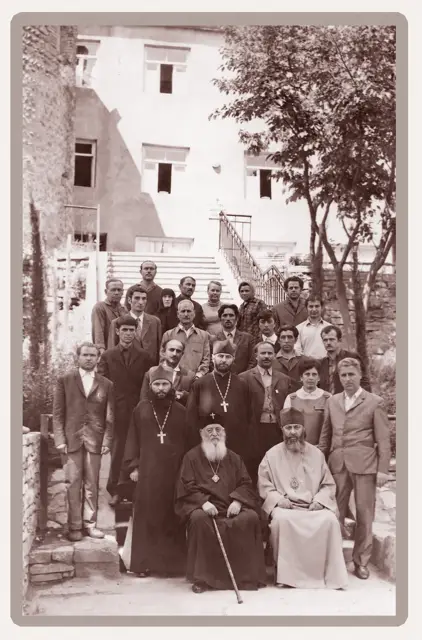
With the blessing of Ephraim II pastoral courses were opened in Mtskheta. In 1965 they were transformed into a theological seminary. The leadership of the courses was entrusted to the young bishop Ilia Shiolashvili, the future Catholicos-Patriarch Ilia II.
In the Georgia of that time the existence of such a school was of great importance. There young people prepared for a ministry that was to continue after Ephraim II as well. The patriarch would not see the future, but he could care for the people who would serve the Church in that future.
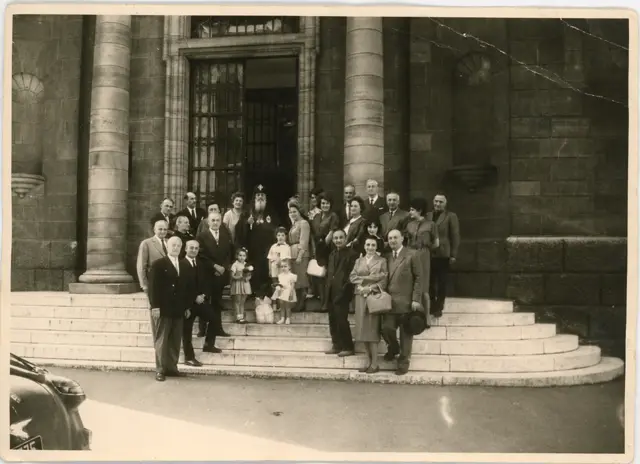
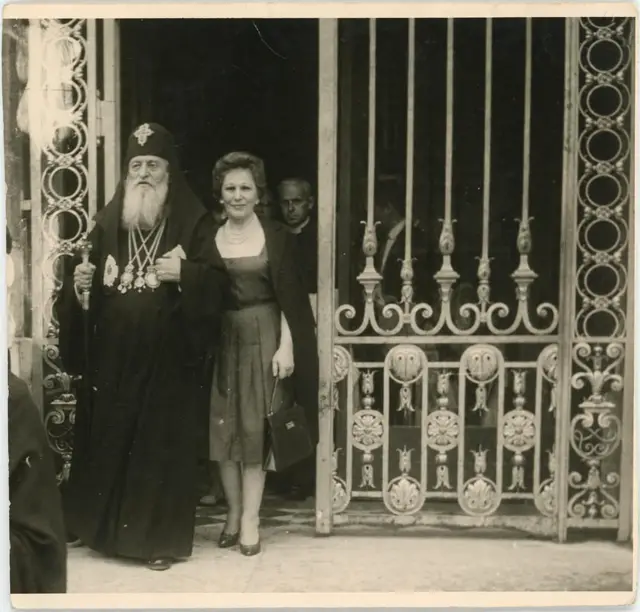
During the years of his patriarchate the Church of Georgia also took part in international church relations and joined the World Council of Churches. Ephraim II had contacts with representatives of other Churches and with Georgians living abroad. In an age when Georgia was not an independent state, such meetings gave the Georgian Church the opportunity to build relations and make its own history known.
Ephraim II also paid attention to education and to the Georgian church heritage. It was important to him that the Georgian word, church literature and knowledge of history should remain accessible to future clergy. In 1970 he was awarded the academic degree of doctor of theology.
By then a long and hard road of life lay behind him: theological school, episcopal ministry, arrest, exile, return and years on the patriarchal throne. Many of the trials of the Church of Georgia in the Soviet period were reflected in his personal story.
On 7 April 1972 Ephraim II died. He was buried in Sioni Cathedral in Tbilisi. On 1 June of the same year the Church of Georgia elected David V as Catholicos-Patriarch after him.
Ephraim II's life ended, but theological education continued in Mtskheta. The ministry of the people whose training had begun during his patriarchate also continued. This shows one of the deepest results of his work: in hard years for the Church he cared not only for what existed then but also for what was to continue after him.
Ephraim II remained in the history of the Church of Georgia as the bishop who went through persecution and exile, returned to his homeland and continued his ministry. His life did not lose the trace of the pain he had suffered, but neither did it give that pain the last word. The new generation raised during his patriarchate continued the path.