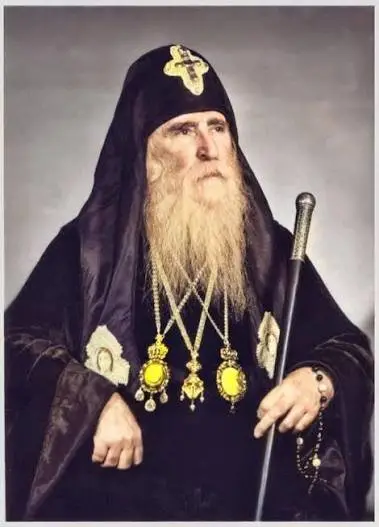
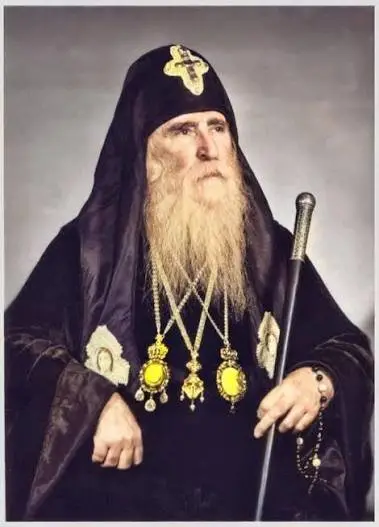
David V, Catholicos-Patriarch of All Georgia: ministry in a hard age
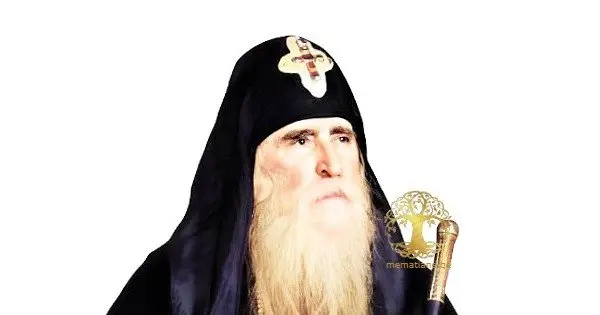
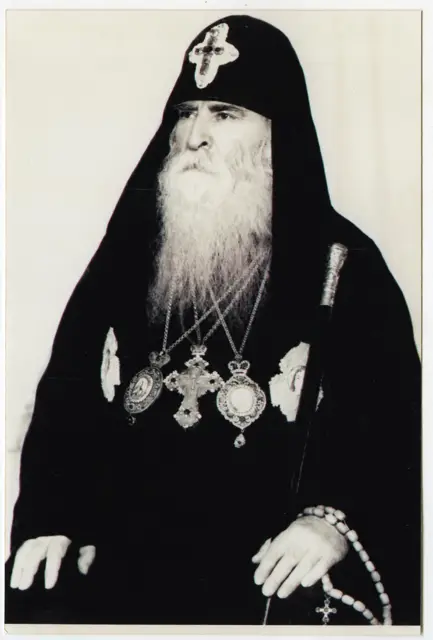
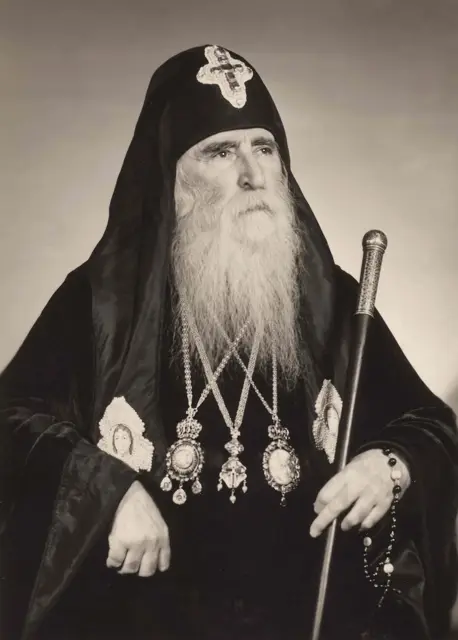
Five years as patriarch, but six decades of service: such is the true measure of the life of David V. From a small village church to the patriarchal throne of Svetitskhoveli he walked a road over which the Soviet state cast its shadow, yet could not put out its light. His name does not live between two dates: it lives in the daily prayer to which a man gave his whole life, whatever the next day might bring.
In 1972, when David V became Catholicos-Patriarch of All Georgia, the Georgian Church was still living under the strict restrictions of the Soviet state. The number of churches and clergy was small. And a person coming to the Church needed, as always, prayer, consolation and a pastor. David's patriarchate lasted five years, but before those five years he had already spent more than half a century in the service of the Church.
David V, in the world Khariton Devdariani, was born in 1903 in Imereti, in the village of Mirontsminda. He received his primary education in his native village. His church path began very early: in 1918, while still young, he was appointed psalm-reader at the Church of Saint Nicholas in Mirontsminda.
A few years later the life of Georgia changed completely. The country lost its independence, Soviet power was established and a hard time began for the Church. Churches were closed, clergy were persecuted, and expressing faith publicly became ever more difficult.
It was in precisely this setting that Khariton Devdariani decided that the service of the Church would be the path of his life.
In February 1927, in the Church of Saint Nino in Sachkhere, he was ordained deacon. The next day he was ordained priest and appointed rector of the Church of Saint George in Sargveshi. A year later he became dean of the Kharagauli district.
For the young priest these years would not be merely a matter of fulfilling church duties. He had to go through, together with the people, an age when even continuing to serve in the Church required steadfastness. Not many personal recollections survive from that part of his life, but the path he did not abandon remains.
Later Father Khariton served in Tbilisi.
His life became linked with Sioni Cathedral and then with the churches of Saint George of Kashveti and Saint Nino of Kukia. In different years he returned again to Kashveti. Churches and responsibilities changed and decades passed, but his daily work remained worship and being with his flock.
Looking back on this long path, David V's biography does not begin only with the patriarchal throne. A large part of his story was spent in churches where he did not yet wear the patriarch's vestments and fulfilled the ministry of an ordinary priest.
1956 marked the beginning of a new stage in his life. Catholicos-Patriarch Melchizedek III tonsured him a monk and gave him the name David. In August of the same year he was raised to the rank of archimandrite and then consecrated bishop.
David was entrusted with governing the eparchies of Margveti and Urbnisi.
After many years of service as a priest, a wider responsibility now fell to him: caring for the life of churches, clergy and faithful in the eparchies. All this still took place in a country where the Church's freedom was restricted.
In 1959 Bishop David became chorbishop of the Catholicos-Patriarch of All Georgia.
The following year the question of the patriarchal throne also arose before him. After the death of Melchizedek III David was offered the primacy, but he declined. Ephraim II then rose to the head of the Church of Georgia.
David continued his ministry.
In 1962 he was raised to the rank of metropolitan. By then his church path already spanned several decades: a ministry begun as a psalm-reader in a village church had come to include priesthood, monasticism and the episcopate.
In 1972 Ephraim II died, and the Church of Georgia faced the election of a new primate. This time the choice fell on Metropolitan David.
On 2 July 1972 his enthronement took place in Svetitskhoveli Cathedral in Mtskheta.
The Church of Georgia had a new patriarch.
He was named David V.
The responsibility taken on that day in Svetitskhoveli was especially heavy. After the Soviet decades the Church's possibilities remained small. At the beginning of the 1970s the number of functioning churches and chapels in Georgia, as well as of clergy, was severely limited.
But the life of the Church cannot be fully described in numbers.
The liturgy celebrated in a functioning church mattered to the faithful who returned there week after week. And for a young clergyman a bishop's blessing meant that the Church still had the strength to continue its ministry.
During the years of David V's patriarchate several new bishops were consecrated. Among them were Giorgi Ghonghadze, who became Bishop of Manglisi; Grigol Tsertsvadze, who was entrusted with the eparchy of Alaverdi; and Ilarion Samkharadze, who was appointed Bishop of Bodbe.
Such decisions are part of the Church's daily life, but in that age each of them had special importance. In a small church environment the appearance of a new bishop meant that continuing the ministry was possible.
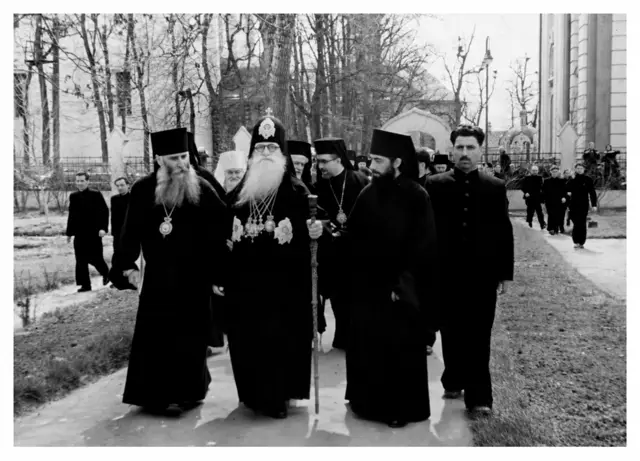
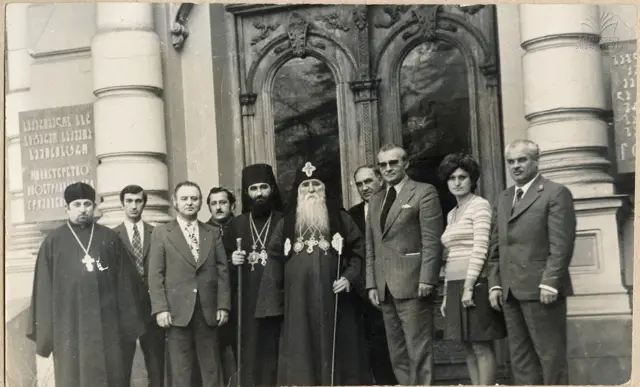
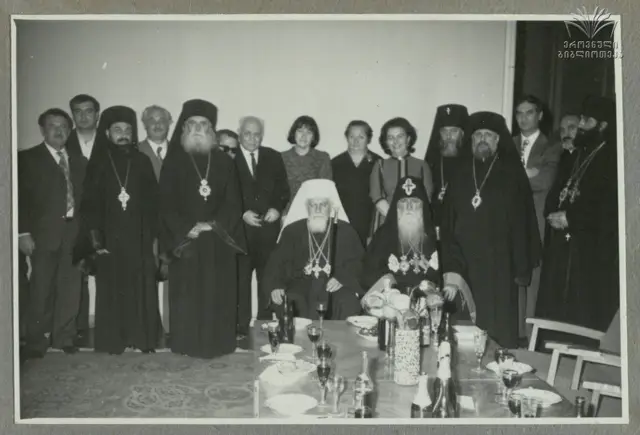
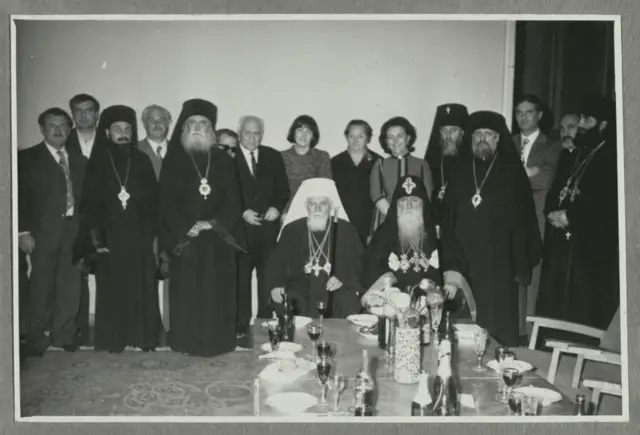
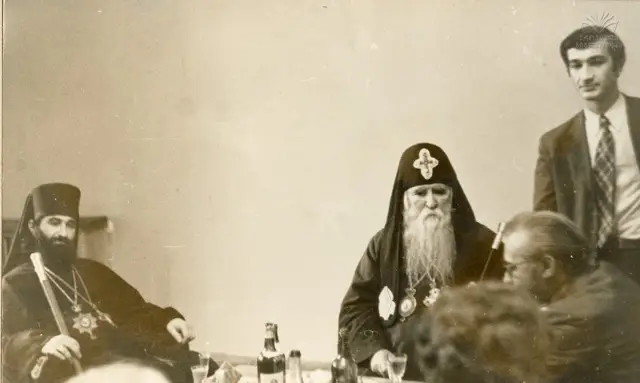
In the time of David V the Church of Georgia also had relations with other Churches. The patriarch made official visits to Moscow and Yerevan. Patriarch Maxim of Bulgaria visited Tbilisi. Representatives of the Church of Georgia also took part in meetings abroad.
We cannot look at these events apart from the setting of the time. In the Soviet state the Church had to conduct its own life within strict limits. Every step of the patriarch must also be considered in that reality.
David V's patriarchate was not long. The years he spent on the patriarchal throne were for him a new ministry begun at almost seventy years of age. Before that he had already seen several hard decades of the Church of Georgia's life.
At the end of his life he was ill for a long time.
On 9 November 1977 David V died. He was buried in the patriarchal Sioni Cathedral in Tbilisi. Sioni was no stranger to him: he had served in this cathedral many years before his patriarchate.
After his death Metropolitan Ilia of Tskhum-Abkhazia was appointed locum tenens of the patriarchal throne. In December of the same year Ilia was elected Catholicos-Patriarch of All Georgia and was named Ilia II.
A new era of almost half a century began in the history of the Church of Georgia.
David V's life is often associated precisely with the five years before this great era. But if we follow his path from the beginning, another picture appears: ministry begun in the village of Mirontsminda, priesthood in the first decades of Soviet power, the churches of Tbilisi, monasticism, the governance of eparchies and only after all this the patriarchal throne.
His life reminds us that the history of the Church is not made up only of great turning points. It contains many years in which people open the church door every day, offer prayer and continue their ministry, although they do not know what tomorrow will bring.
David V's patriarchate lasted a little over five years. But his service to the Church accompanied him from youth to the end of his life. That is why his name should not remain only between two dates, 1972 and 1977. Behind him lies a path of almost six decades, travelled in one of the hardest centuries of the Church of Georgia.