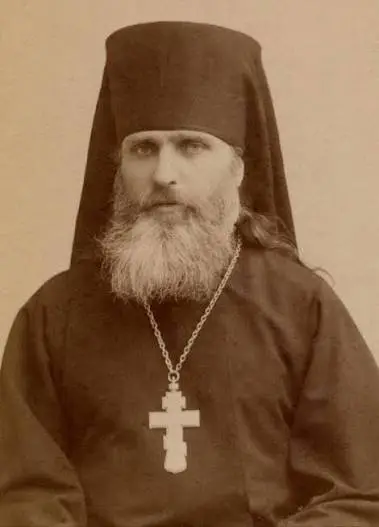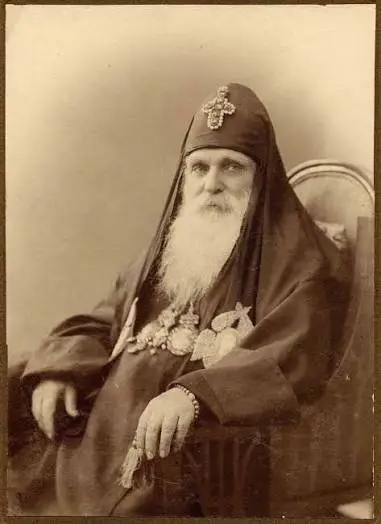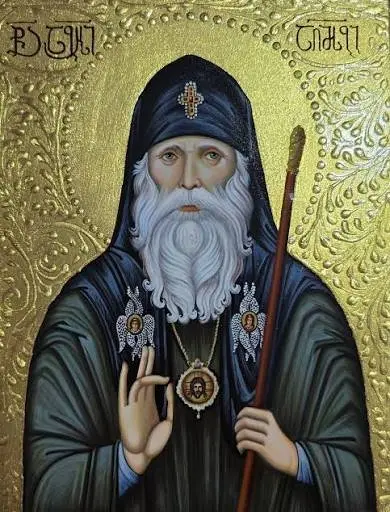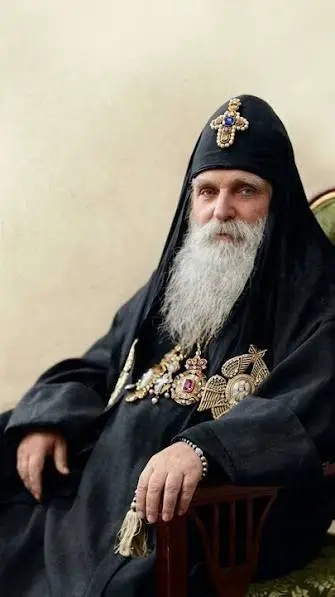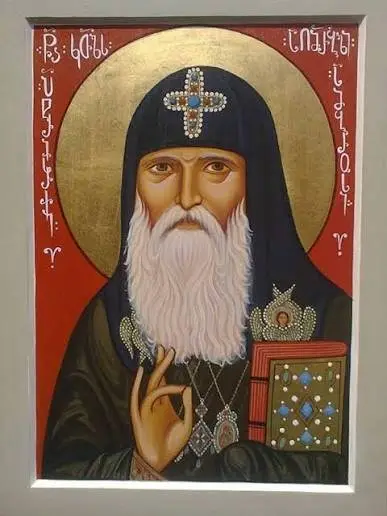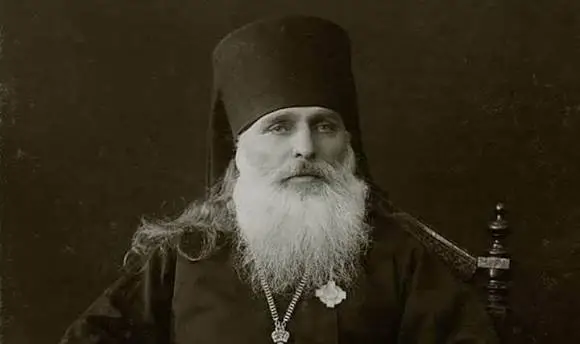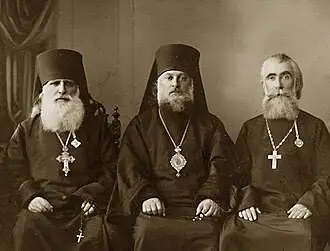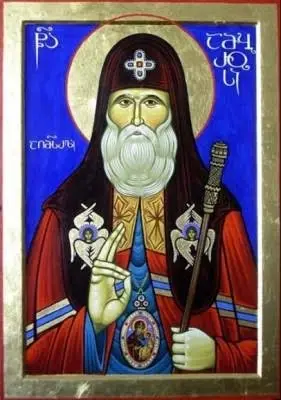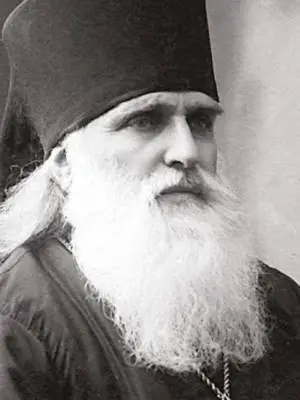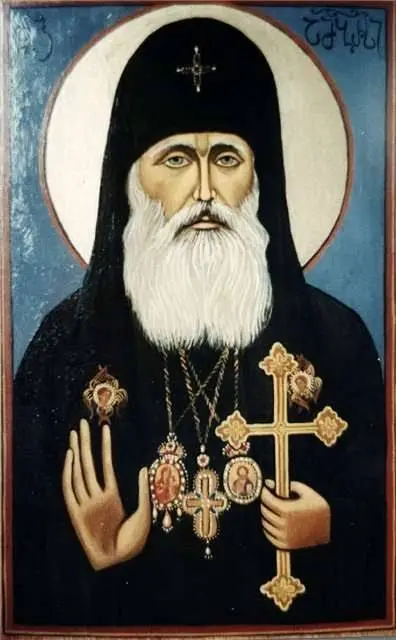
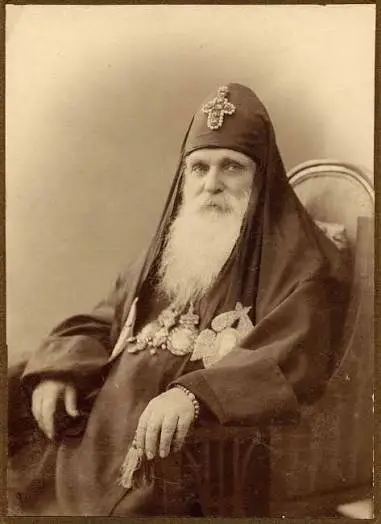
Ambrose Khelaia, Catholicos-Patriarch of All Georgia
The authorities gave his body to prison, but no one could take his soul captive. He knew that silence would betray what was most sacred, and so he raised his voice when a truthful word meant persecution and imprisonment. To God he left his soul, to his homeland his heart, and to his tormentors only his body, and today those words of his remind the generations that truth is not afraid of prison.
In September 1921 the Church of Georgia elected Metropolitan Ambrose as its primate. The country had been occupied by the army of Soviet Russia, and the Church's life was threatened by a severe trial. The new patriarch had long priestly, scholarly and public experience. Now the responsibility for the whole Church lay before him. In Ambrose's ministry faithfulness to the faith and love of the homeland were united. He defended Georgia's freedom even when speaking the truth brought persecution, imprisonment and danger to life.
Ambrose Khelaia, in the world Besarion Zosimes dze Khelaia, was born in 1861 in Martvili, Samegrelo. His father, Zosime, was a priest. His childhood was linked with a church environment where prayer and books were part of daily life. Here began the path of a man who would have to bear the country's pain and be its spiritual guide in the hardest of times.
He received his first education in Samegrelo and then continued his studies at the Tbilisi Theological Seminary, from which he graduated in 1885. Alongside the study of theology and church history he saw the difficulties facing the Georgian language and culture. In his later work this union of knowledge and responsibility would hold an important place.
Besarion married Kesaria Merchule and began his priestly ministry. He served in Sochi and Sukhumi, was inspector of the church parish schools of Abkhazia and a teacher of the Georgian language. A priest's work was linked with people's daily lives: with the needs of families, the upbringing of children and the trials in which the faithful looked for spiritual support.
In Abkhazia he opposed the policy of Russification. In the press he criticised the suppression of the Georgian language and the stirring up of enmity between Georgians and Abkhazians. For him education served to preserve cultural memory. Children should have the opportunity to learn their own language and history. In this work parish ministry, teaching and public responsibility complemented one another.
In 1896 Besarion's wife died, and the responsibility of raising the children fell to him. Despite his personal loss the future patriarch had to care for his family and continue his ministry. In remembering his steadfastness this human side is also important: before becoming primate of the Church he was a father who had to bear his own pain and care for his children.
In 1897 Besarion enrolled at the Kazan Theological Academy. His scholarly interests were connected with the Christian history of Georgia. In 1900 he was tonsured a monk and given the name Ambrose. The education he received at the Academy later served him in researching historical materials and defending the rights of the Church. Monastic ministry joined in his life the experience and responsibility gathered until then.
After finishing the Academy Ambrose laboured at the Chelishi monastery. He cared for the life of the monastery and its historical heritage. Here he discovered the Chelishi manuscript of the "Conversion of Kartli", which took an important place in the study of Georgian Christian history. Finding an old book was like bringing back a voice from the past: the preserved text connected new generations with the spiritual sources of Georgia.
Ambrose travelled, described historical monuments and collected information. He published articles in periodicals on the church and cultural past of Georgia. For him church inscriptions, manuscripts and the memory of the people were interconnected sources. By studying them he protected the labour of generations and left future researchers the possibility of knowing the past better.
In 1904 he was transferred to Tbilisi and appointed superior of the Monastery of the Transfiguration. He took an active part in the struggle for the restoration of the autocephaly of the Church of Georgia. The demand for independent governance of the Georgian Church meant for him the defence of historical justice and church rights. This work provoked the opposition of the authorities and bound his life's path to a hard trial.
Ambrose had to live in Russia against his will, with restrictions on returning to his homeland. Later he was also charged in connection with the murder of Exarch Nikon, a charge of which he was acquitted. Yet he could not return to Georgia at once. His letters from the years of exile show grief for his homeland and spiritual loneliness. Separation could not extinguish his desire to return to the service of the Church.
In 1917 Ambrose returned to Georgia. The same year the Church of Georgia restored its autocephaly. He became Metropolitan of Chkondidi and then governed the eparchy of Tskhum-Abkhazia. He cared for the clergy, the churches and the local Georgian and Abkhazian population. Organising the life of the restored Church required concerted work, while the country's political future remained uncertain.
In 1921, after the Soviet occupation of Georgia and the death of Patriarch Leonide, Ambrose was elected Catholicos-Patriarch of All Georgia. His enthronement took place in October. The pastor who had known persecution and separation now took on the responsibility for the whole Church. The situation of the churches, clergy and faithful was closely bound up with the country's loss of freedom.
In 1922 Ambrose addressed a memorandum to the International Conference of Genoa. He described the occupation of Georgia and the dangers created for national and religious life. He demanded the withdrawal of the occupying army and that the Georgian nation be given the opportunity to determine its own future freely. With this appeal he tried to make the international community hear Georgia's voice and not let the country's situation go unnoticed.
The memorandum did not restore Georgia's freedom, but the patriarch's position remained as a historical document. Ambrose knew that the appeal could bring heavy consequences. For him speaking about the situation of the Church and the people was an unavoidable duty. In this choice there appears with special force a responsibility that placed the interests of the country and the faith above personal safety.
The authorities arrested Ambrose and the members of the Council of the Catholicosate. In March 1924 their trial took place. The charges included sending the memorandum and questions of church property. The patriarch explained his actions by his duty to the Church and the nation. He declared that on seeing the danger to national existence it was necessary to speak out.
These words are linked with his name: "My soul belongs to God, my heart to my homeland, and my body I leave to you, executioners!" These words express faithfulness to the faith and to the homeland. The authorities could restrict his physical freedom, but his spiritual responsibility remained in him. The steadfastness he showed before the court became part of Georgia's historical memory.
Ambrose was sentenced to many years of imprisonment. The time spent in Metekhi prison damaged his health. After his release he continued his ministry, but the Church's situation remained hard. Internal disagreement was added to state pressure. His last years were weighed down by conflicts over the governance of the Church and relations with Soviet power.
At the end of 1926 and the beginning of 1927 Ambrose opposed the legitimacy of the provisional administration created without his permission. The ailing primate also had to defend church order. His life cannot be expressed only by the steadfastness he showed in court. Bearing responsibility continued after his return from prison as well and did not ease until the end of his life.
On 29 March 1927 Ambrose Khelaia died in Tbilisi. He was buried in Sioni Cathedral. In 1995 the Orthodox Church of Georgia canonised him under the name of Saint Ambrose the Confessor. After him remained sermons, letters and historical works. Part of them is kept in his personal archive preserved at the National Centre of Manuscripts.
From Martvili to Sioni, Ambrose's path passed through study, family grief, monasticism, research, exile and imprisonment. In this legacy remains the faithfulness of a man who kept to the true word in the face of a hard trial. His memory reminds new generations of the importance of faith, responsibility and steadfastness.