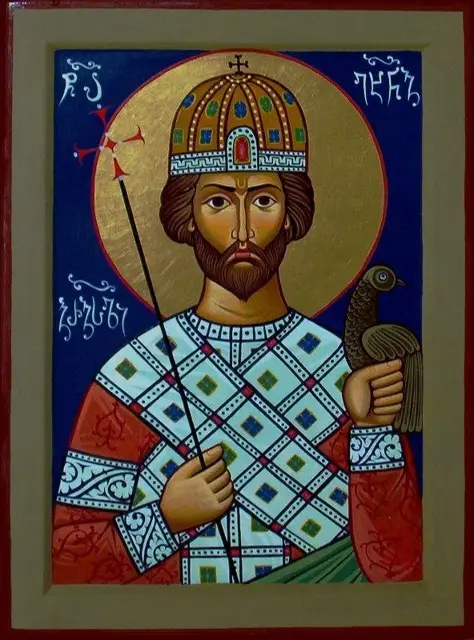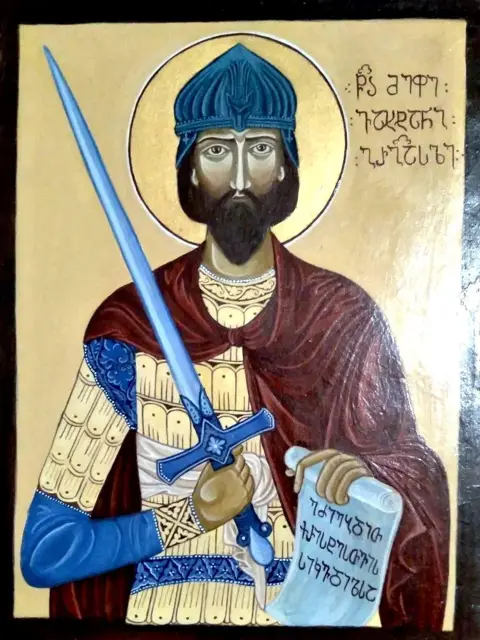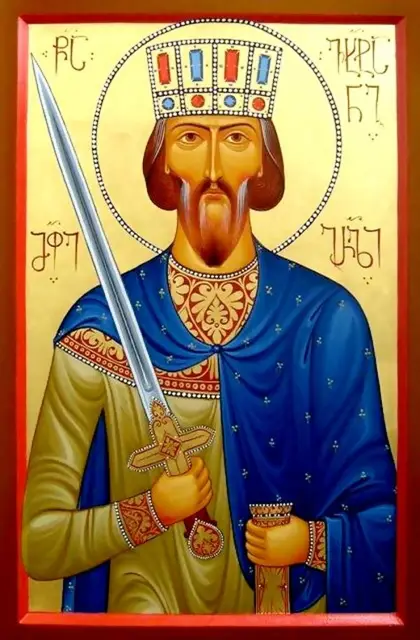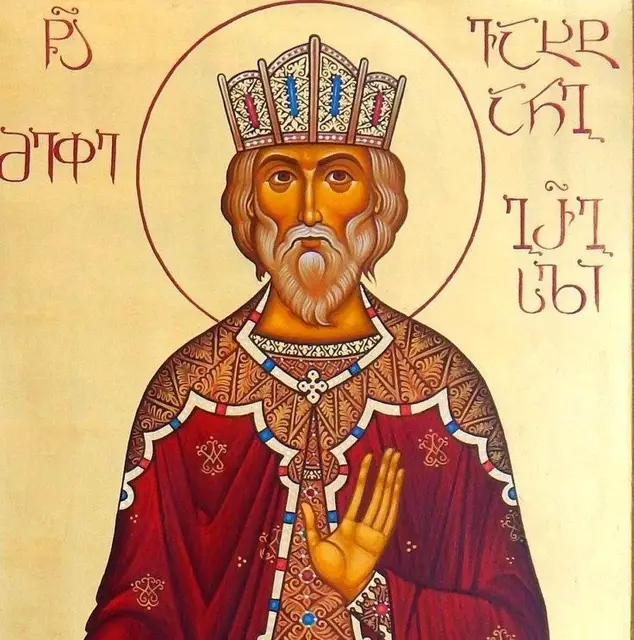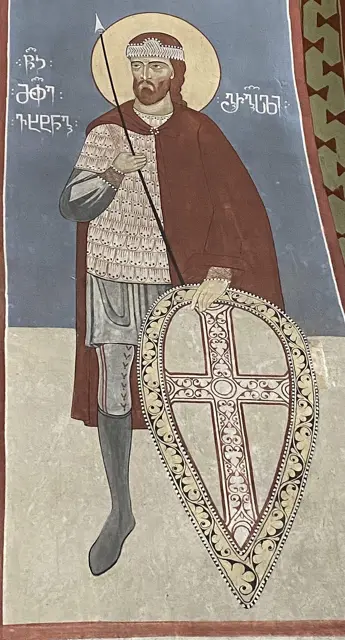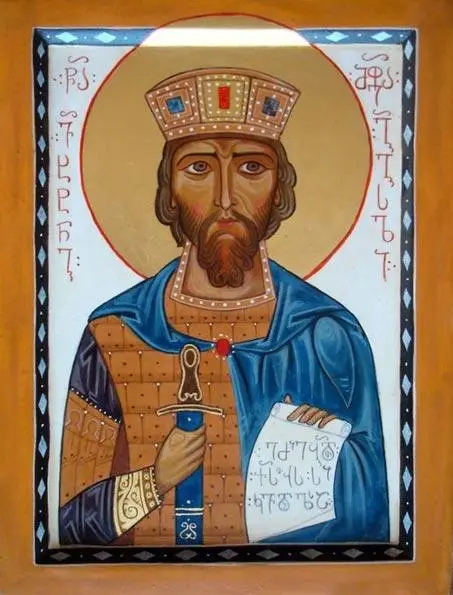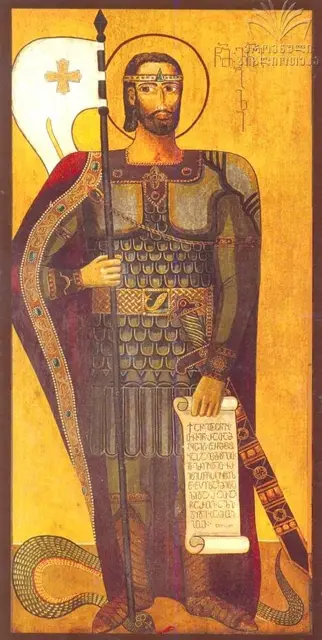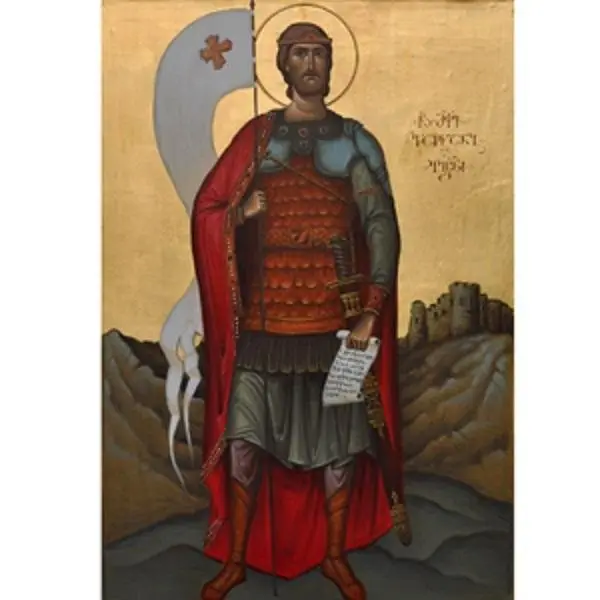
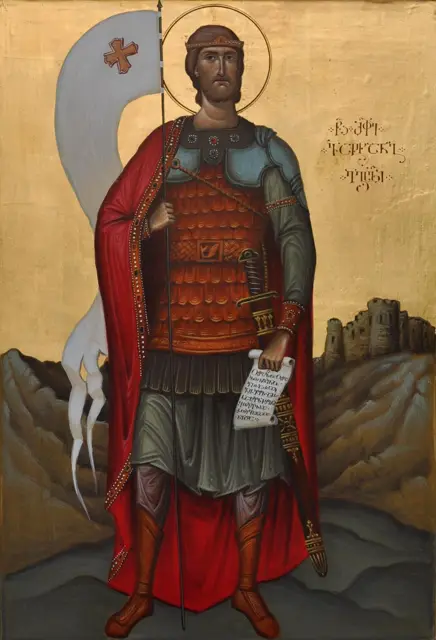
Holy King Vakhtang Gorgasali
The sword of the Persians wounded his body, but could not shake his faith. Mortally wounded, he left his last testament at Ujarma: do not betray Christ, even at the cost of your life. Centuries have passed, his body rests in Svetitskhoveli, and from the rock of Metekhi Vakhtang still looks out over Tbilisi, the city to which his name is joined for ever.
- Feast
- 30 November (13 December)
The holy King Vakhtang I Gorgasali is one of the greatest kings and military leaders in the history of Georgia and a saint of the Orthodox Church of Georgia. His reign belongs to the second half of the 5th century, an age when Kartli was caught in a very hard political struggle between two powerful empires, Byzantium and Sasanian Iran. Vakhtang's name has remained in Georgian history as a symbol of national unity, of the defence of the Christian faith and of the rise of Tbilisi.
Vakhtang ascended the throne of Kartli while still very young, at about fifteen years of age. He found the country in a grave situation: from the south Persian pressure was growing, from the north Ossetian raids troubled Kartli, and important territories of western Georgia were under Byzantine influence.
Georgian Church tradition presents the young king not only as a brave warrior but as a deeply believing Christian ruler. For Vakhtang the defence of the country and the defence of the Christian faith were inseparable. He devoted an important part of his reign precisely to building a strong Christian state.
His first important military actions are connected with the North Caucasus. According to the Georgian chronicles, during one of the Ossetian raids Vakhtang's sister Mirandukht was taken captive. The king campaigned northwards, defeated his opponents, freed the captives and strengthened Kartli's influence in the direction of Darial.
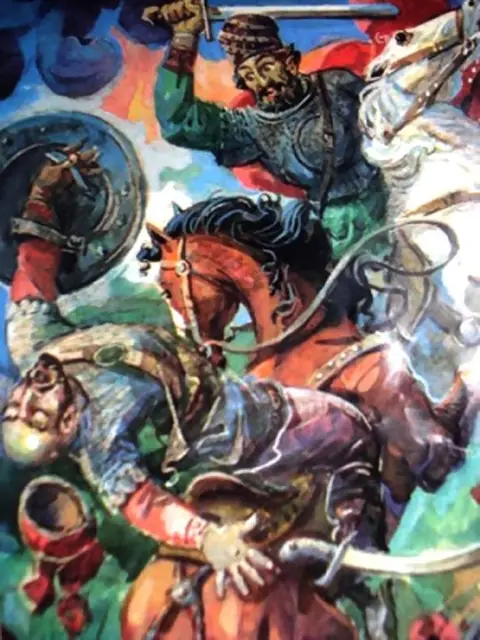
Vakhtang's famous epithet, Gorgasali, is also connected with his military glory. According to tradition, the king's battle helmet bore images of a wolf and a lion. When Persian warriors saw him, they warned one another with words meaning "beware the wolf's head". From the tradition connected with this name came Vakhtang's historical epithet: Gorgasali.
Yet his importance is not measured by battles alone. One of the most important directions of Vakhtang's reign was the organisational strengthening of the Georgian Church. His age is associated with the establishment of the catholicosate in Kartli and an important transformation of the church hierarchy. Peter was appointed the first Catholicos, and new eparchies were created in various regions.
These changes acquired special importance in the history of the self-government and later development of the Georgian Church. Vakhtang understood well that the country's political independence was closely bound up with its spiritual and ecclesiastical strength.
The king actively built and renewed churches, monasteries and fortresses. Connected with his name are the building of a great stone basilica on the site of Svetitskhoveli in Mtskheta, the establishment of the episcopal centre of Nikozi and many other church buildings.
The name of Vakhtang Gorgasali is especially closely linked with Tbilisi.
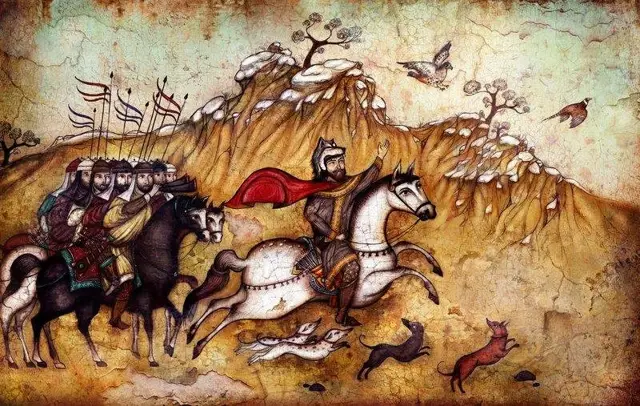
According to a well-known Georgian tradition, the king came to the territory of Tbilisi while hunting. His falcon pursued its prey and both fell into a hot spring. Interested in the natural hot waters of the place, the king decided to build a city here. The name Tbilisi, the city of "warm" waters, is also linked with this tradition.
From a historical point of view, there was a settlement on the territory of Tbilisi before Vakhtang, so he cannot be considered the absolute founder of the city in the modern sense. Yet it was precisely Vakhtang's policy that laid the foundation for Tbilisi's transformation into a great political and state centre. His work was later continued by his son Dachi, who moved the capital from Mtskheta to Tbilisi.
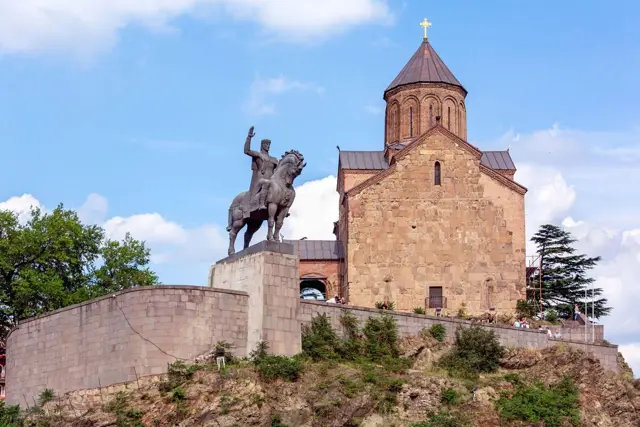
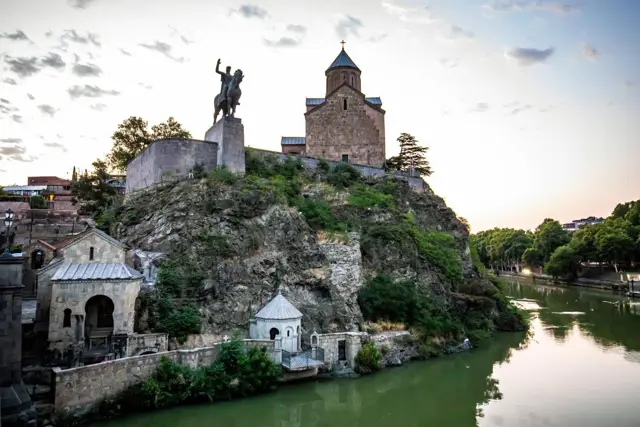
One of the best-known symbols of Vakhtang's connection with Tbilisi is Metekhi. Rising on a high rock above the Mtkvari, the site of Metekhi was linked for centuries with the king's name and with the historical memory of Tbilisi. Today the equestrian monument of Vakhtang Gorgasali in front of the Metekhi church remains one of the city's best-known symbols.
The king's political aim was to free Kartli from the strong influence of Sasanian Iran. At the end of the 5th century the anti-Persian movement grew stronger in the Caucasus. In 482 Vakhtang led an uprising against Iran and tried to draw the Armenians and other Christian peoples of the Caucasus into a common resistance.
The struggle proved extremely hard. Iran was one of the most powerful states of the world at that time, and unity among the Christian kingdoms of the Caucasus could not always be maintained. Despite the final military failure, Vakhtang's resistance remained in Georgian historical memory as a symbol of the struggle for the country's freedom and for the defence of the Christian faith.
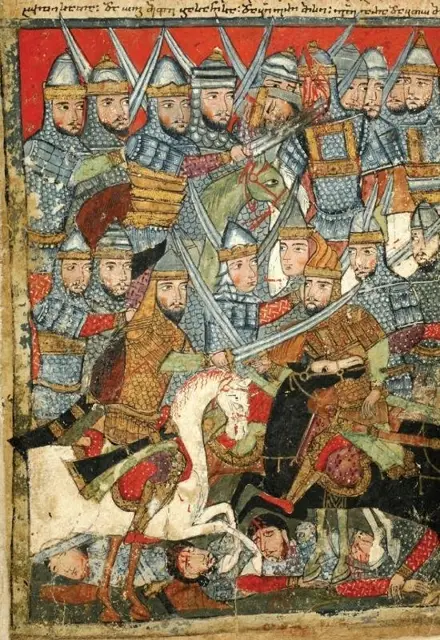
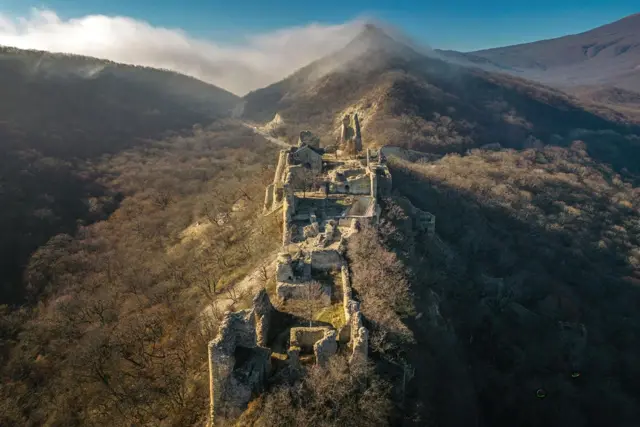
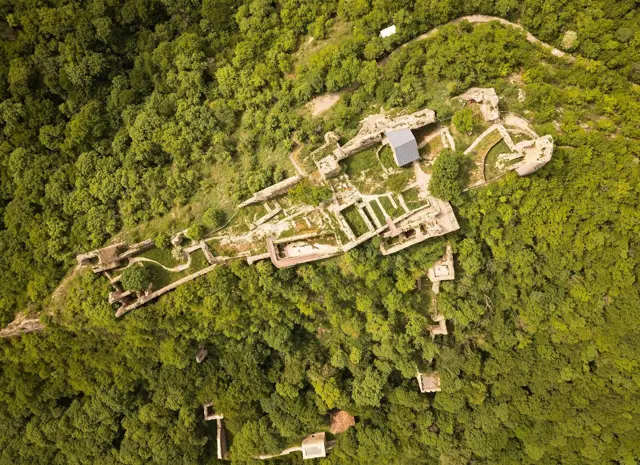
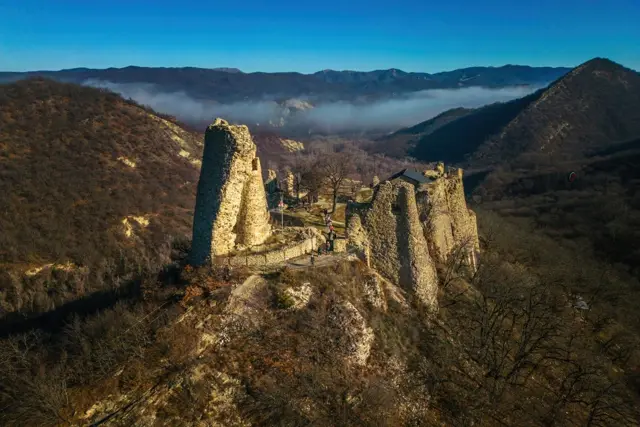
The last battle of his life was also against the Persians. According to Church tradition, the enemy learned of an unprotected spot in the king's armour during the battle, and Vakhtang was mortally wounded by an arrow. The gravely wounded king was taken to Ujarma.
As death approached, Vakhtang addressed his family, the nobles and the clergy with his last words. Tradition has especially preserved his call to the Georgians to defend the Christian faith firmly and not to fear even death for Christ.
Vakhtang Gorgasali died at about sixty years of age. The exact year of his death is disputed in historiography, but Georgian Church tradition places his death at the beginning of the 6th century.
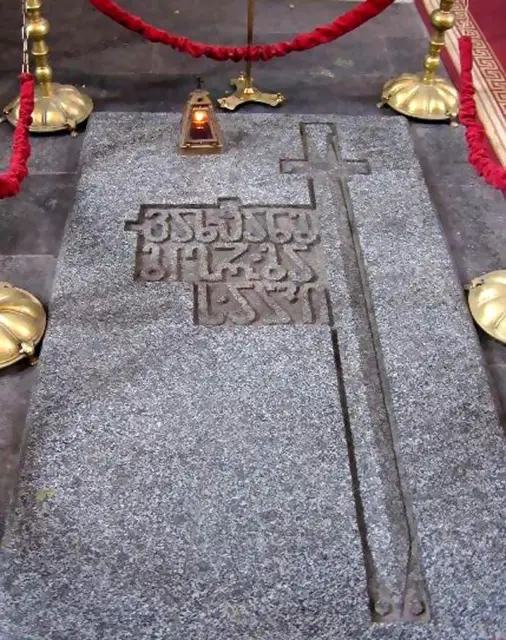
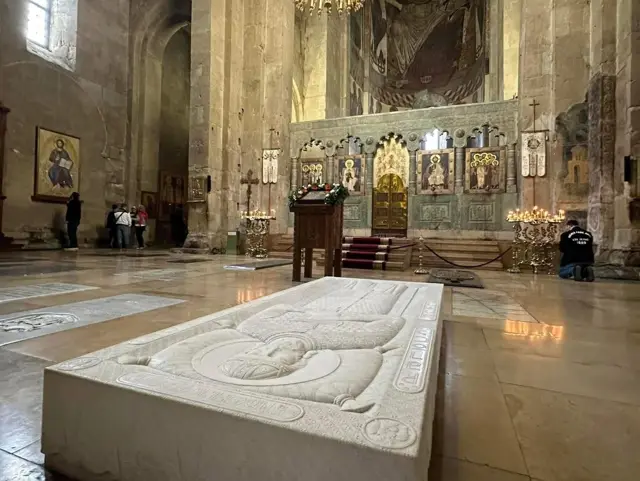
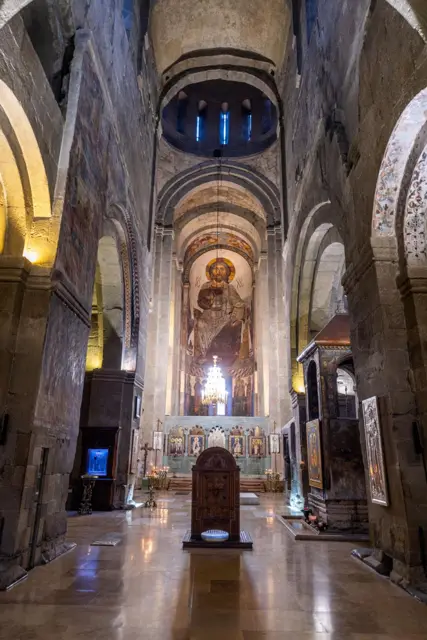
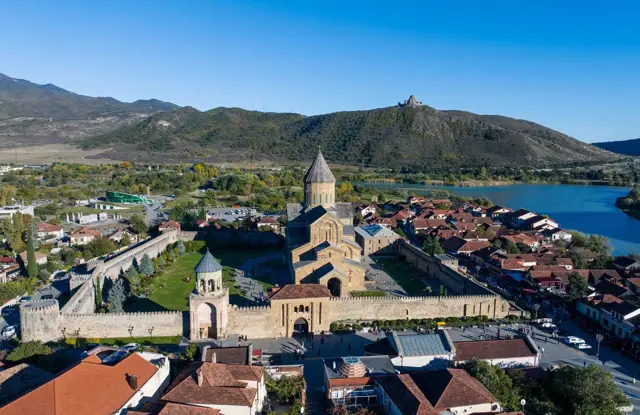
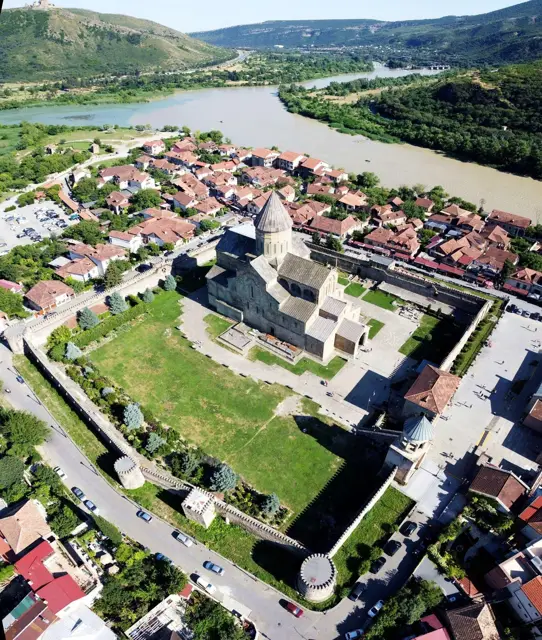
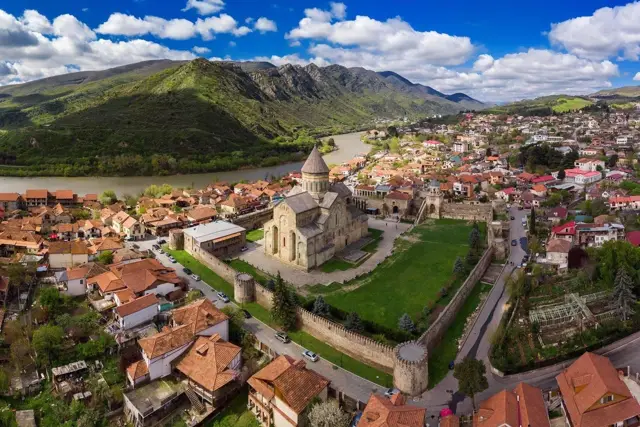
The king's body was translated from Ujarma to Mtskheta and buried with great honour in Svetitskhoveli Cathedral. His tomb remains to this day one of the most important historical and spiritual places of Georgia.
After Vakhtang's death his son Dachi continued the work his father had begun. The further development of Tbilisi was completed, and the city gradually became the main political centre of Kartli. Thus the vision of statehood begun by Vakhtang lived on after his life as well.
The Orthodox Church of Georgia canonised Vakhtang Gorgasali and honours him as a holy and right-believing king, a defender of the Christian faith and a ruler devoted to Georgia.
The Orthodox Church of Georgia celebrates the memory of the holy King Vakhtang Gorgasali on 30 November (13 December), according to the old and the new calendar.
Today the name of Vakhtang Gorgasali is linked at once with Mtskheta, Svetitskhoveli, Ujarma, Metekhi and Tbilisi. In his life the power of a king, the courage of a warrior and the responsibility of a Christian ruler came together.
Centuries have passed, but above the Mtkvari, from the rock of Metekhi, his figure still looks out over Tbilisi, the city with whose historical rise his name is forever linked. The legacy of Vakhtang Gorgasali is not only a story of battles and fortresses. It is the memory of a king who bound the strength of his state to faith, to unity and to the service of the homeland.
Hymns of the Holy King Vakhtang Gorgasali
🎵 Troparion
ძლევანი ყოვლადდიდებულნი საჭურველითა ცხოველსმყოფელისა ჯვარისათა წარმართენ, საწუთოჲ სამეფოჲ სიბრძნით განაგე და ეკლესიაჲ ქართლისაჲ ღვაწლითა შენითა განაშუენე და აწ იხარებ წინაშე უკუდავისა მეუფისა, წმიდაო დიდო კეთილმსახურო მეფეო ვახტანგ, მეოხ გუეყავნ ჩუენ ცოდვილთა.
🎵 Kontakion
ზესთამბრძოლო უძლეველო, კეთილმსახურო მეფეო ვახტანგ, რომელმან სადიდებლად ღმრთისა იღუაწე და ერსა შენსა ქრისტეს-მოყუარესა ანდერძად მიეც: მტკიცედ სარწმუნოებასა ზედა სდექით და ეძიებდით ქრისტესთვის სიკუდილსა, რაჲთა წარუვალი დიდებაჲ მოიგოთ, სიხარულით აღვასრულებთ ხსენებასა შენსა და გიგალობთ: გიხაროდენ, ვახტანგ მეფეო წმიდაო, სიმტკიცეო და ძალო სარწმუნოებით შენდამი მოლტოლვილთაო.