Saint Luarsab II
They took everything from him: army, royal court, homeland and freedom. Only one word remained, which the shah could never force him to say. In the darkness of a foreign fortress, where there was no longer a crown nor the cry of his people, Luarsab chose the cross, and there, where he lost everything, he gained what no one could take away.
- Feast
- 21 June (4 July)
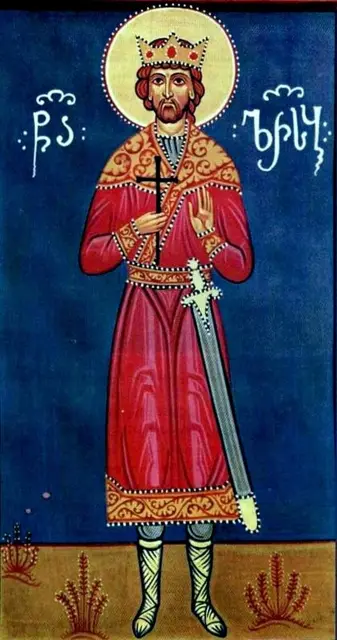
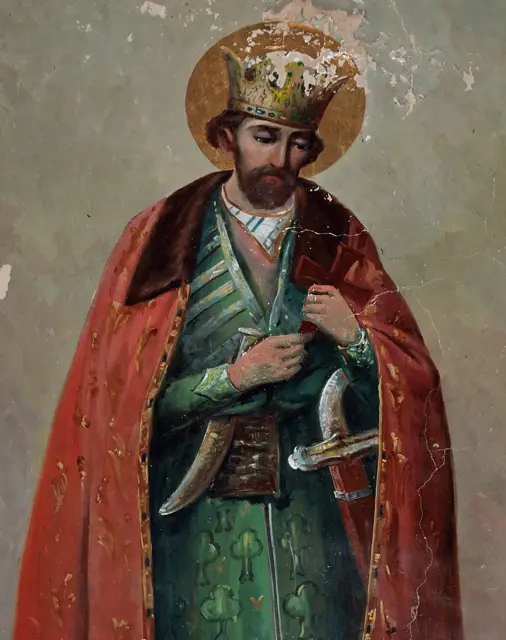
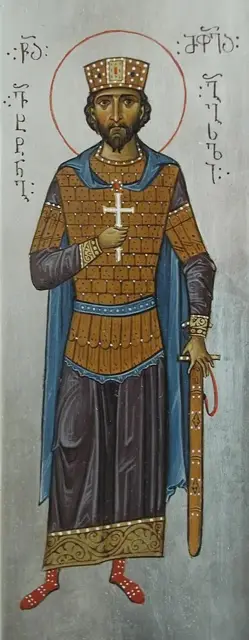
Saint Luarsab II, king of Kartli and holy martyr of the Church of Georgia, is one of the most tragic and at the same time most exalted figures of 17th-century Georgian history. His life fell in an age when Georgia found itself in a hard struggle between two mighty empires: the Ottoman and Safavid Iran. The young king had not only to defend his kingdom, but also to undergo the trial of his own faith. In the end he was faced with a choice between life and faithfulness to Christ. Luarsab lost his throne, his freedom and his life, but he did not deny his faith.
Luarsab II belonged to the royal dynasty of the Bagrationi and was the son of King George X of Kartli. After his father's death he came to the throne of Kartli while still very young. In 1606 Shah Abbas I recognised him as king of Kartli. The young king faced a country in a grave situation: Iran and the Ottomans were fighting each other for influence over eastern Georgia, and the king of Kartli had to save his country in the midst of these two powers.
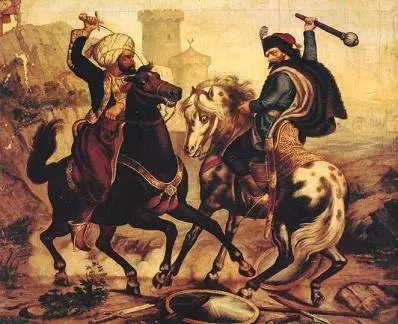
One of the important events of Luarsab's reign was the battle of Tashiskari in 1609. A large Ottoman force broke into Kartli and tried to seize the king. According to tradition, the priest Tevdore deliberately showed the enemy the wrong road and lost his life for this act of self-sacrifice. The Georgians, under the command of Giorgi Saakadze, fell upon the enemy unexpectedly and defeated them. The victory strengthened the young Luarsab's position for a time.
Yet a far graver danger for Kartli soon came from Iran. Shah Abbas I sought to establish direct control over the kingdoms of eastern Georgia. Luarsab II and King Teimuraz I of Kakheti gradually became symbols of the resistance which the shah regarded as a threat to his Caucasian policy.
In 1614 Shah Abbas entered Georgia with a great army. Teimuraz and Luarsab left eastern Georgia and took refuge in Imereti. The ruler of Iran demanded that the king of western Georgia hand them over, but did not achieve what he wanted. After this the shah offered peace and the sparing of Kartli on condition that Luarsab return.
A most painful choice lay before Luarsab. He could have stayed in western Georgia, but he knew that his kingdom remained exposed to the shah's vengeance. In the end Luarsab put himself in danger to save his country and went to the shah. The hope that by this sacrifice he would spare Kartli from destruction was not fulfilled.
From that moment there began for the king the road that led from the royal throne to martyrdom.
Shah Abbas never gave Luarsab back his freedom. He was taken from Georgia to Iran and held in long captivity. At different stages the king was kept in various places in Iran, and in the end found himself in the fortress of Gulab, in south-western Iran. The years went by, but Luarsab's release could not be obtained.
His captivity was no longer merely a political imprisonment. For the shah a living Luarsab remained a danger, because the Georgians hoped for the return of their lawful king. Moreover, pressure was put on the king to abandon Christianity and accept Islam.
That would have changed his fate entirely. By changing his faith Luarsab could have kept his life and perhaps even regained his political standing. But for him Christianity was not a matter for political bargaining.
Luarsab refused to deny Christ.
Over the years the captive king gradually lost everything that had once defined his earthly power. He no longer had throne, army, royal court or freedom. Only his own choice remained, the one thing the shah's power could not take from him.
In the tradition of the Church of Georgia it is here that the chief meaning of Luarsab's life appears: the king who could no longer govern his state remained wholly free in his faith.
The Georgians did not cease their attempts to free him. The mediation of Tsar Michael I of Russia was also sought, but the negotiations bore no fruit. For the shah Luarsab's return to Georgia was by now unacceptable: his very existence remained a possible centre of Georgian resistance.
At last the king's fate was decided.
In 1622, by order of Shah Abbas, Luarsab II was put to death. According to the historical sources, he was strangled in prison with a bowstring. Church sources relate that before his end the king received the Christian sacraments and met death as a confessor of Christ.
The king's body remained there, in Iran. The man who had left Georgia to save his country was never able to return to his homeland.
But the shah did not achieve what he might have gained by Luarsab's change of faith. The murdered king remained in the memory of the Georgians not as a sign of political defeat, but as a king martyred for his faithfulness to Christ.
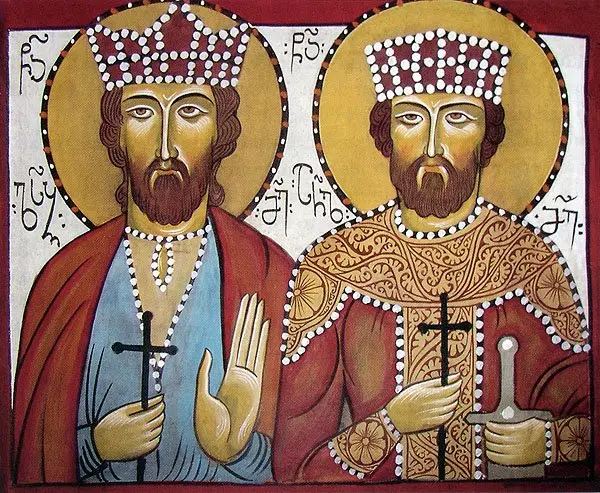
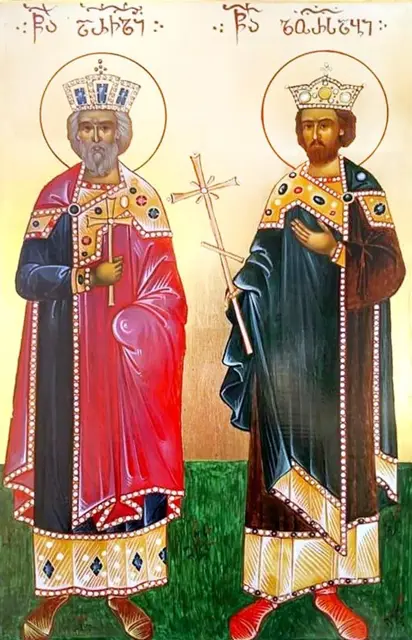
The Georgian Orthodox Church canonised Luarsab II. His memory is kept on 21 June, 4 July in the New Style, together with the holy martyr King Archil. Centuries separate these two Georgian kings, but the Church appointed their commemoration on one day because of the likeness of their martyrdom.
The life of Saint Luarsab is an especially powerful example because his final victory did not take place on the battlefield. At Tashiskari he defeated the enemy's army, but his greatest battle was fought years later in the prison of a foreign land, where he had neither army, nor weapons, nor royal power.
The shah could take his throne from him. He could remove him from his homeland, shut him in prison and at last take his life as well. But he could not force him to say the word that would have betrayed his faith.
That is why Saint Luarsab II is not, in the history of Georgia, merely a captive and murdered king. He is the king who lost an earthly crown but, in the faith of the Church, won the incorruptible crown of martyrdom. Centuries later his life still reminds us that sometimes a person's last freedom lies in his choice, and that Luarsab, when almost everything had been taken from him, set faithfulness to Christ above life.
Hymns of Saint Luarsab II
🎵 Troparion (Tone IV)
იშუებდ დღეს ქუეყანაი ქართველთაი დღესასწაულსა დიდისა ამის მეფისათა, რამეთუ ქრისტეისთვის მრავალ ფერნი ტანჯვანი მოითმინა და წარმავალისა მეფობისა დამტევებელმან წარუვალი სიმდიდრეი სუფევისაი მოიგო, მოწამეთა შორის საჩინომან ლუარსაბ და აწ მეოხ არს ჩუენ მაქებელთა მისთათვის.
🎵 Kontakion
ნათელცისკროვნად მზედ გიცის შენ ეკლესიამან, ახლად მოწამედ გამოჩინებულად, სპარსთა აღვირ აღმსხმელო და მართლუკუნ მქცეველო, ღუაწლით შემოსილო მეფეო, რომელმან უსჯულოსა მის მეფისა ქადაგებანი არად შერაცხენ და მეოხ ხარ დაუცხრომელად ჩუენ ყოველთათვის.