Saint George
The sword, forged for blood, became a shield of faith in the hand of the horseman from Cappadocia. Against the wrath of the empire he set his steadfastness, and by martyrdom he won the crown that for centuries has shone in the mountains and churches of Georgia.
- Feast
- 10 (23) November
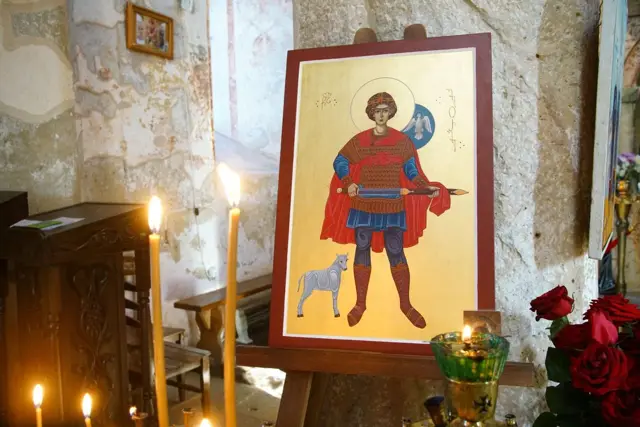
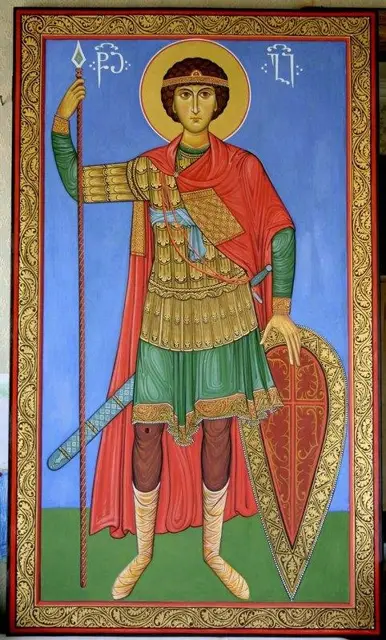
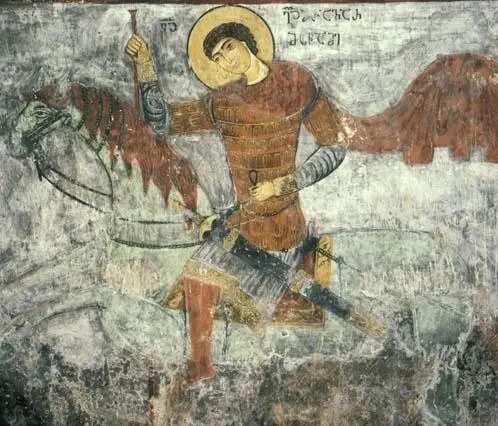
Saint George, the victory-bearing great martyr, is one of the most renowned saints of the Christian world and one of those honoured with the most special love. He lived in the 3rd and 4th centuries, in the age of the persecution of Christians, and through his martyrdom became an everlasting example of unshakeable faithfulness to Christ, of courage and of spiritual victory. In the Orthodox Church of Georgia and among the Georgian people Saint George holds a special place: for centuries he has been regarded as the heavenly protector of Georgia, and churches and shrines dedicated to him are found in almost every corner of the country.
According to Church tradition, Saint George was born in Cappadocia into a Christian family. His father died a martyr for the Christian faith, and his mother brought George up in the Christian faith. From his youth he was distinguished by courage, intelligence and strength of character.
The young George entered military service and served in the army of the Roman Empire. Thanks to his military talent and courage he rose to a high position. It was precisely in this period that one of the harshest persecutions of Christians began in the Roman Empire.
Under the reign of Emperor Diocletian Christians were required to offer sacrifice to the pagan gods and to deny Christ. When the persecution became especially severe, George faced a choice: to keep his military position and obey the emperor's order, or to confess Christ publicly and put his own life in danger.
Saint George refused to deny Christ. According to Church tradition, he distributed his property to the needy, freed his slaves and fearlessly confessed before the authorities that he was a Christian. This step was especially significant, because he was not an ordinary citizen but a man connected with the Empire's military service. Thus George placed faithfulness to Christ above earthly glory and position.
After this his severe torture began. Again and again Saint George was required to deny Christ, but he did not change his faith. Church traditions describe the many cruel trials he endured. Despite his physical suffering, he continued to pray and confessed Christ even before his torturers.
According to tradition, the miracles worked by the power of God during his martyrdom greatly moved those present, and some of them accepted the Christian faith. Saint George's steadfastness became for Christians a clear testimony that not even the fear of death could overcome someone who entrusted himself entirely to Christ.
Finally, around the year 303, Saint George was condemned to death and beheaded. The Church numbered him among the great martyrs and called him the victory-bearer. In his case the word "victory-bearer" does not refer only to military victory: above all it is the spiritual victory over fear, suffering, passing glory and death.
The most important place connected with the holy relics of Saint George is Lydda, present-day Lod in Israel. Here stands the famous church consecrated in his name, which for centuries has remained one of the important places of Christian pilgrimage. The veneration of Saint George spread from early centuries to many countries of the Christian world, from East to West.
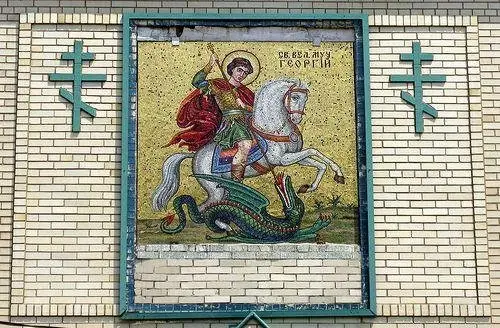
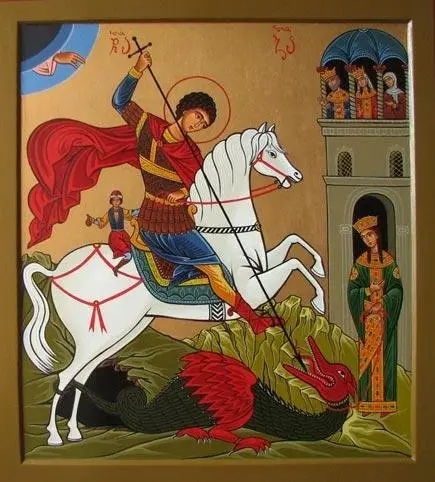
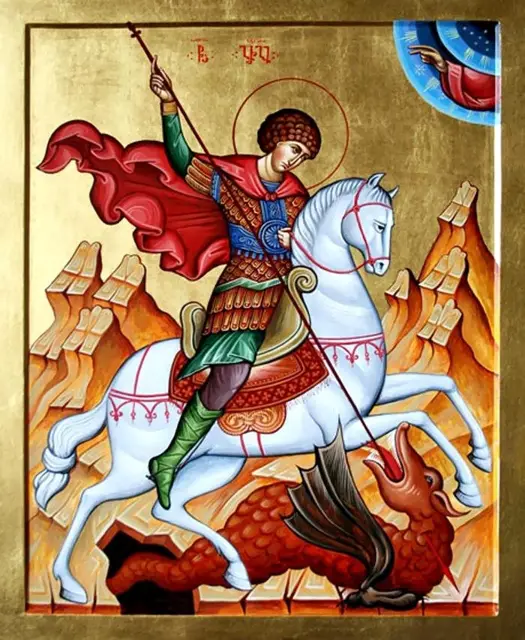
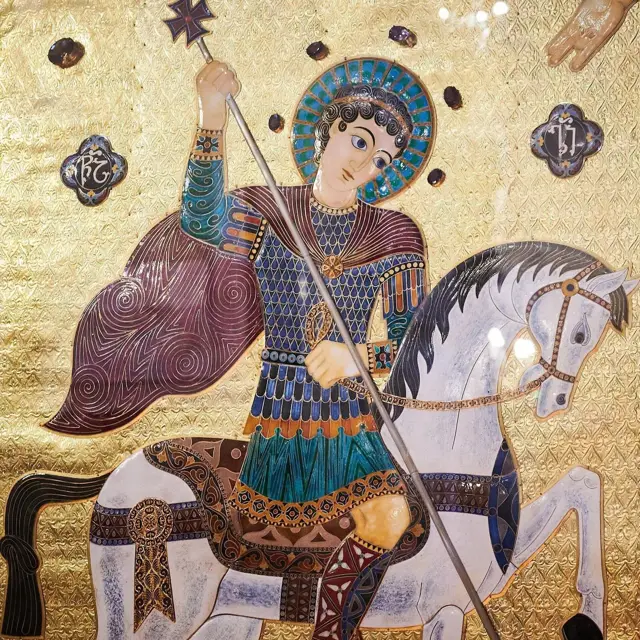
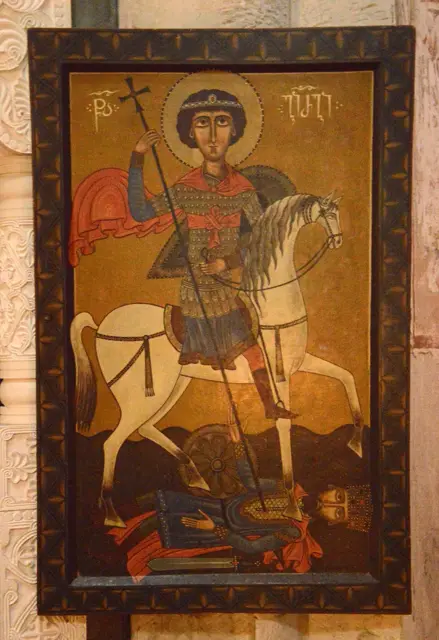
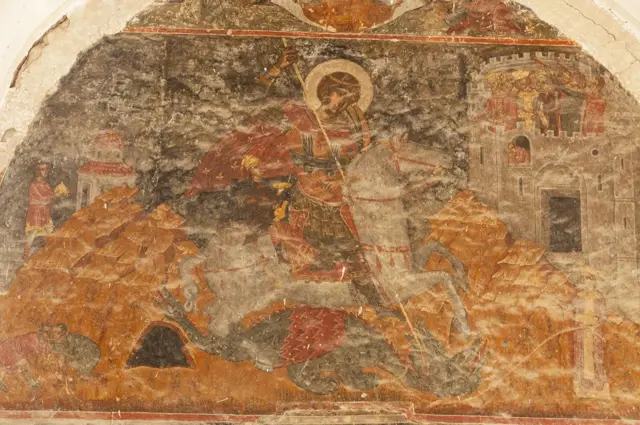
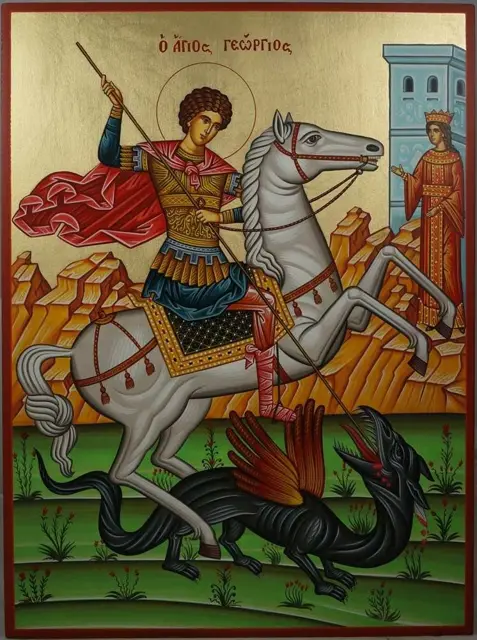
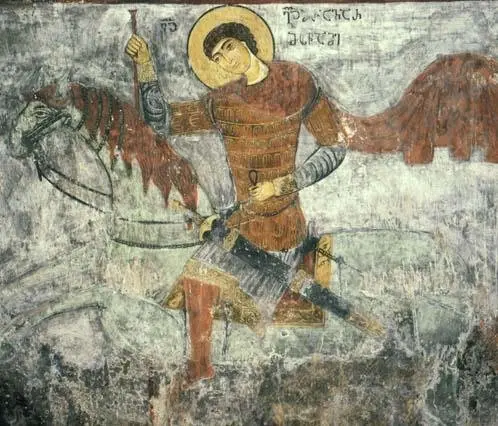
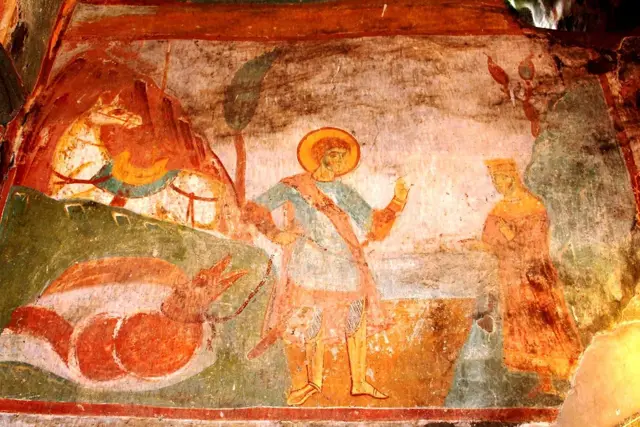
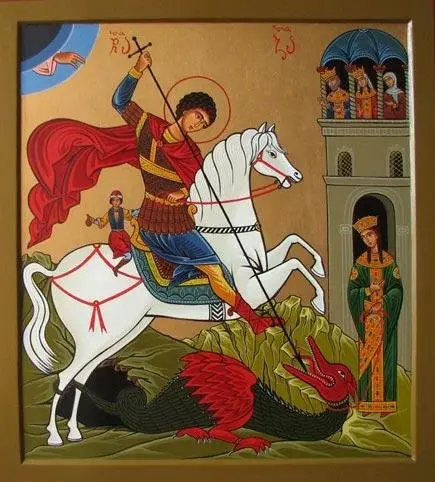
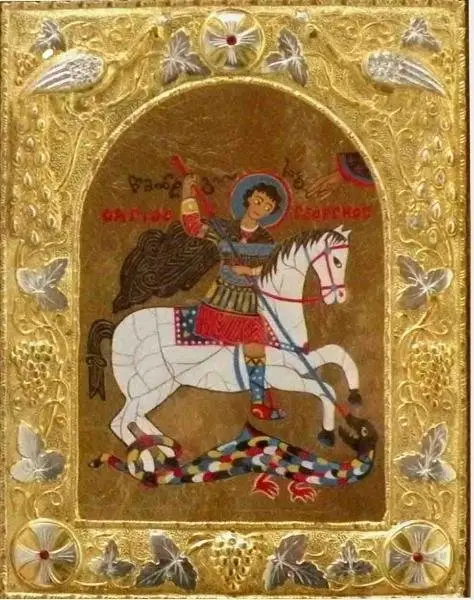
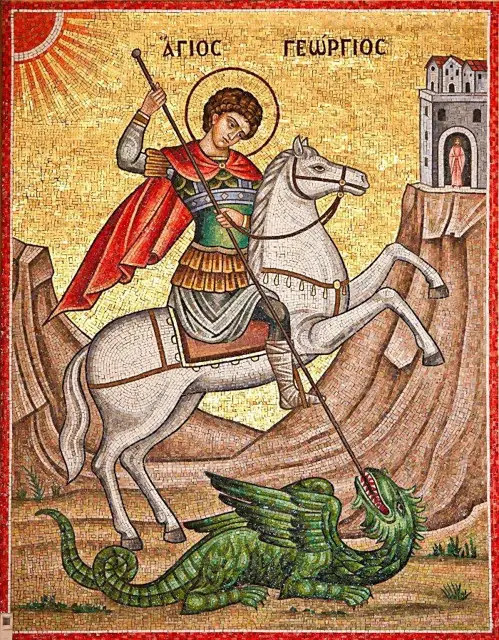
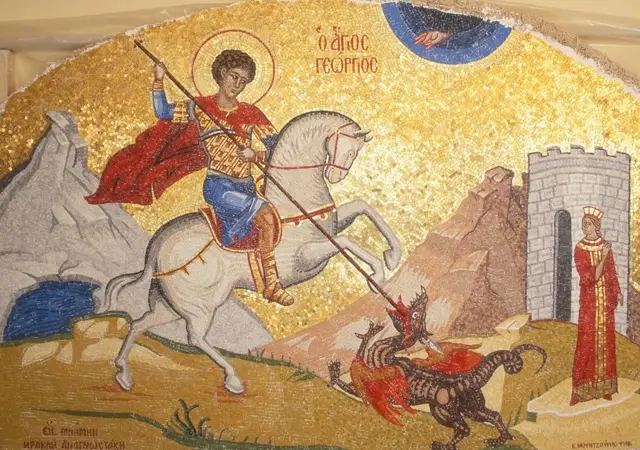
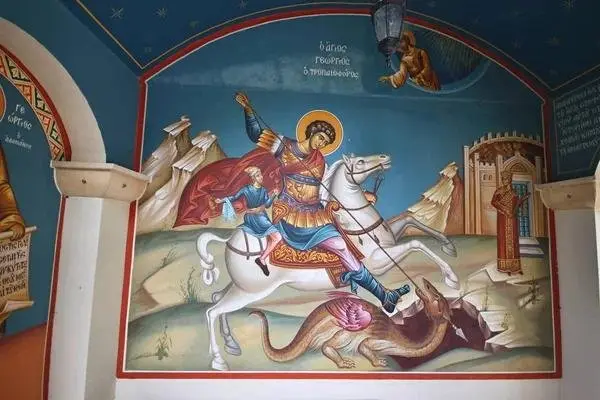
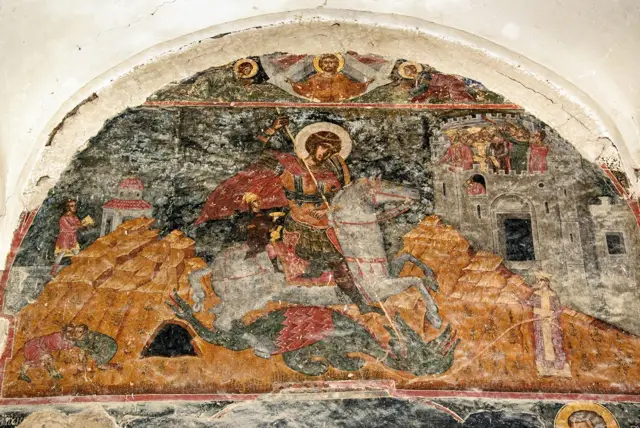
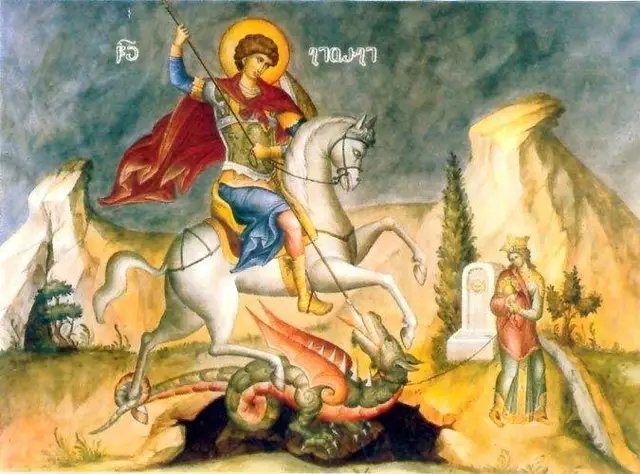
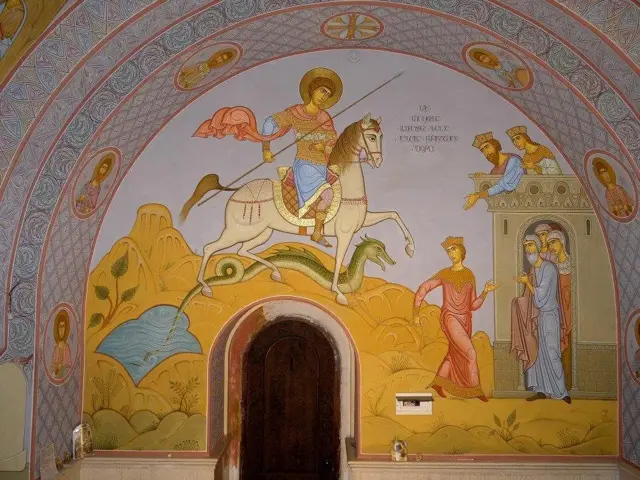
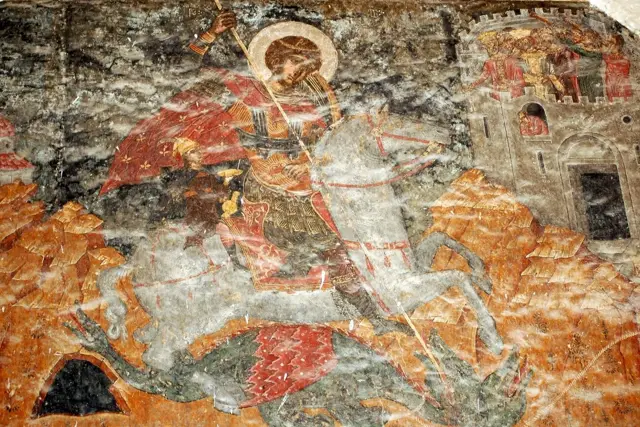
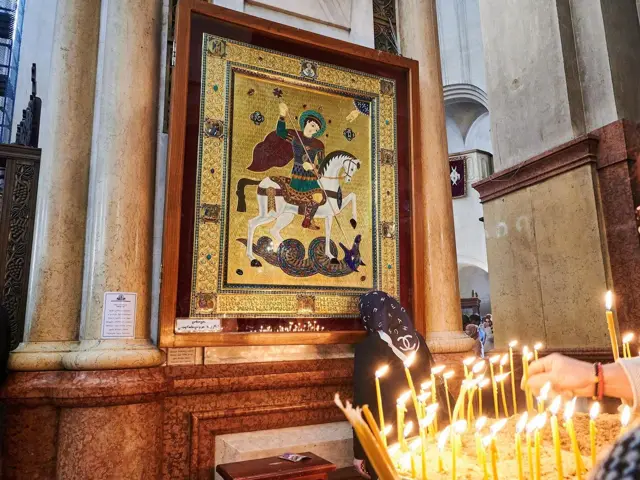
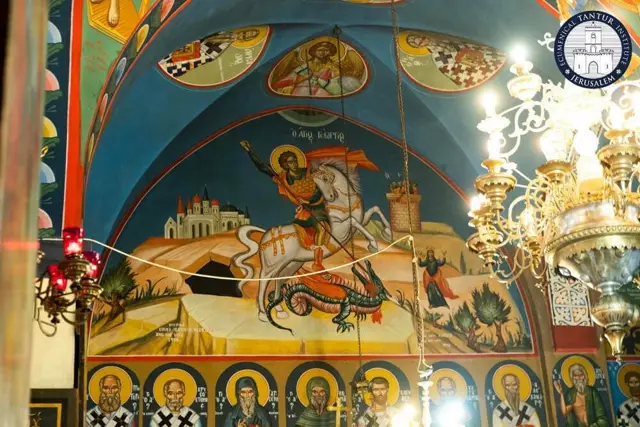
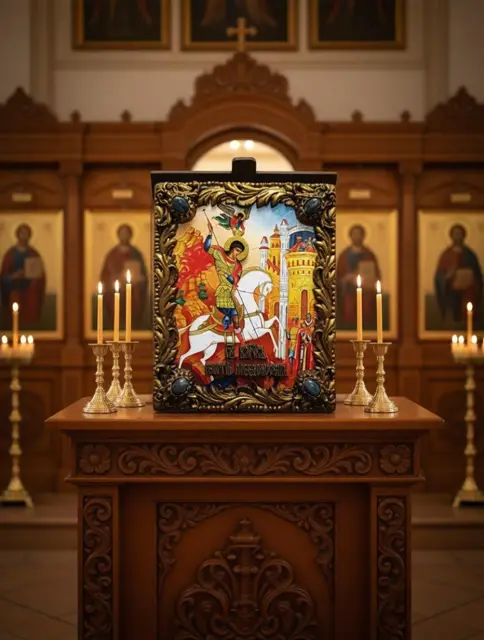
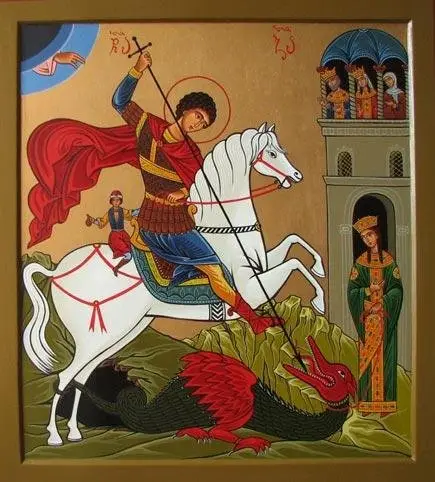
One of his best-known images is that of Saint George mounted on a white horse, defeating a dragon with his spear. The well-known tradition of the dragon spread widely only later and acquired a deep symbolic meaning in Christian art. The victory over the dragon expresses the defeat of evil, sin and spiritual darkness, and Saint George himself the spiritual victory of one who is faithful to Christ.
Saint George holds a special place in the history of Georgia. His veneration in Georgia is attested from the earliest times and grew even stronger over the centuries. Georgian kings, warriors and simple believers prayed for his intercession in times of trial. The countless churches of Saint George built in different parts of the country confirm how deeply his veneration took root in the spiritual life of the Georgian people.
The cult of Saint George in Georgia is especially connected with Saint Nino. According to Church tradition, Saint George was a relative of Saint Nino. After the labours of the Enlightener of Georgia and the conversion of the country, the veneration of Saint George spread especially widely in Georgia and in time became one of the most important parts of the religious life of the Georgian people.
In the different historical regions of Georgia many ancient churches, monasteries and local church traditions are connected with his name. His shrines are found both in large cities and in high, hard-to-reach mountain places. This exceptional spread shows that for Georgians the veneration of Saint George has not been the tradition of one particular age: it has been handed down from generation to generation.
The Orthodox Church of Georgia celebrates the memory of Saint George with special solemnity. On 23 April (6 May) his martyrdom is commemorated, and on 10 (23) November the memory of his torture on the wheel. In Georgia both days are called Giorgoba. Particularly notable is the November Giorgoba, whose solemn celebration holds a distinguished place in Georgian Church tradition.
On the day of Giorgoba solemn services are held in many churches of Georgia, and countless faithful visit the churches dedicated to the saint. People ask for Saint George's intercession for spiritual strength, for the protection of their families, for overcoming trials and for being strengthened on the way of God.
The life of Saint George reminds us that Christian courage does not mean physical strength alone. His greatest victory came precisely when he could have saved his life by denying Christ, but chose faithfulness to the faith instead. Therefore, centuries later, his martyrdom remains an example for Christians that true victory is won through faith, steadfastness, self-sacrifice and faithfulness to Christ.
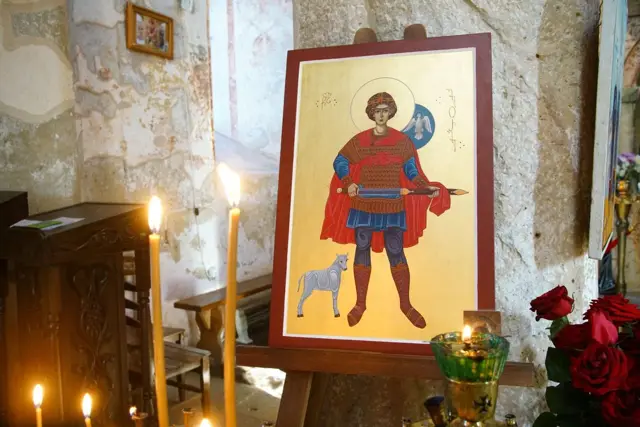
Today Saint George remains an inseparable part of Georgia's spiritual life. His icons are found in almost every Georgian Orthodox church, his name is one of the most common among Georgians, and Giorgoba is still one of the most beloved church feasts. For the Georgian people he remains the victory-bearing great martyr, the fearless confessor of Christ and the heavenly protector of Georgia.
Hymns of Saint George
🎵 Troparion
ტყვეთა განმათავისუფლებელო და გლახაკთა ხელის აღმპყრობელო, სნეულთა მკურნალო და მეფეთა უძლეველო წინამბრძოლო, ღვაწლით შემოსილო დიდო მოწამეო გიორგი, ევედრე ქრისტესა ღმერთსა შეწყალებად სულთა ჩვენთათვის.
🎵 Kontakion
მოიმუშაკე ღმრთისა მიერ და გამოჩნდი მუშაკად პატიოსნად ღმრთისმსახურებისა, გიორგი, და სათნოებათა მჭელეული შეუკრიბე თავსა თვისსა, რამეთუ ცრემლით სთესე და სიხარულით მოიმკე, სისხლი დასთხიე და მოღვაწებითა ქრისტე შეიძინე, და აწ მეოხებითა შენითა იხსნი სიკუდილისაგან სულთა ჩუენთა.