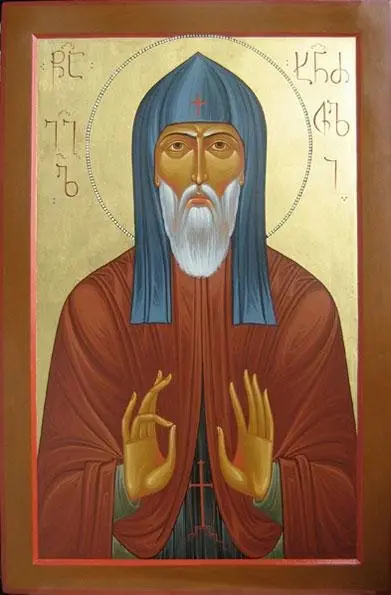
Saint Gregory of Khandzta
The desolate rocks knew only the voice of the wind, until one man sowed prayer there. His humility refused a bishop's mitre, while his faith clothed a whole region with monasteries. For one hundred and two years he lived for God, and when he departed, Khandzta did not forget him: he remained in the stones, where the breath of prayer can still be heard.
- Feast
- 5 (18) October
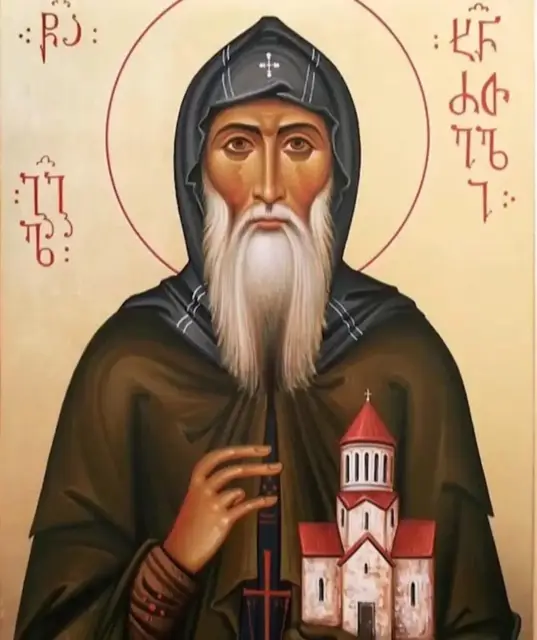
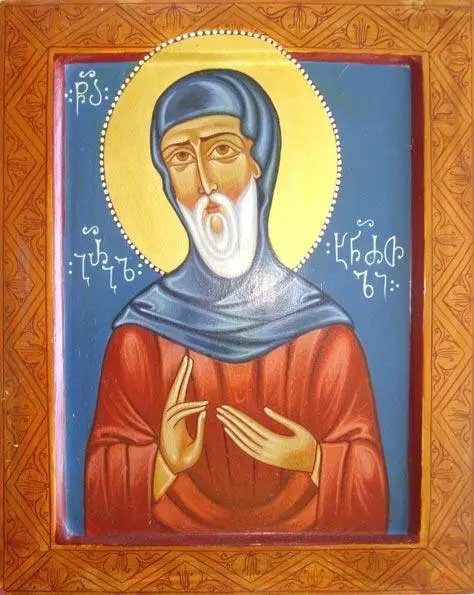
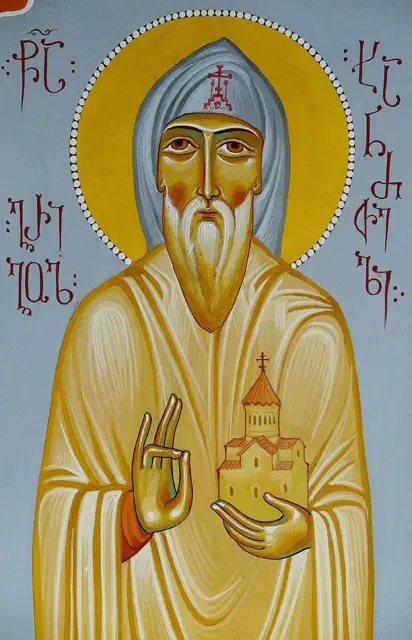
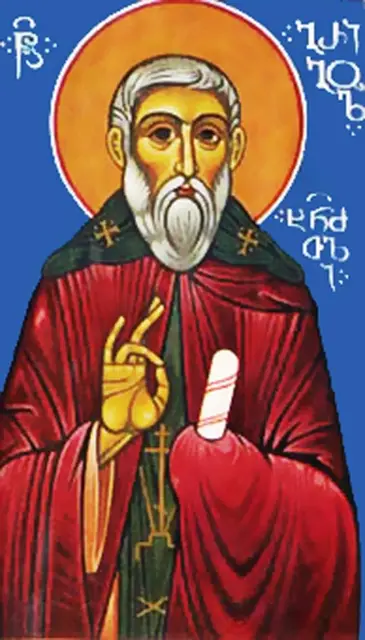
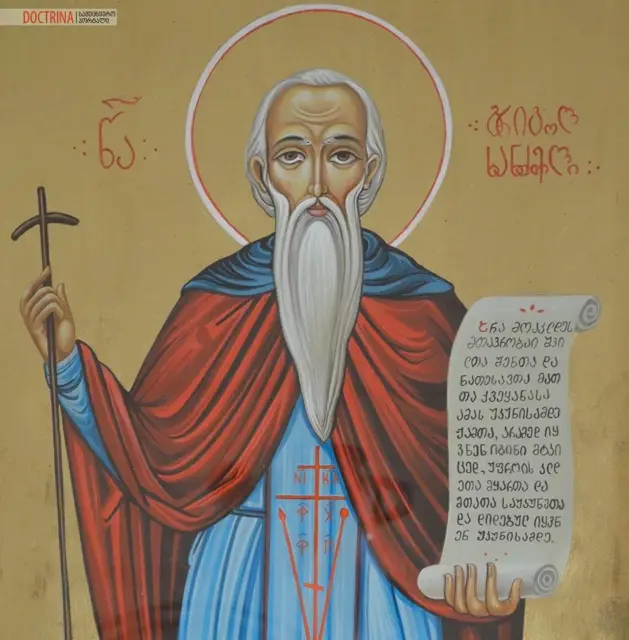
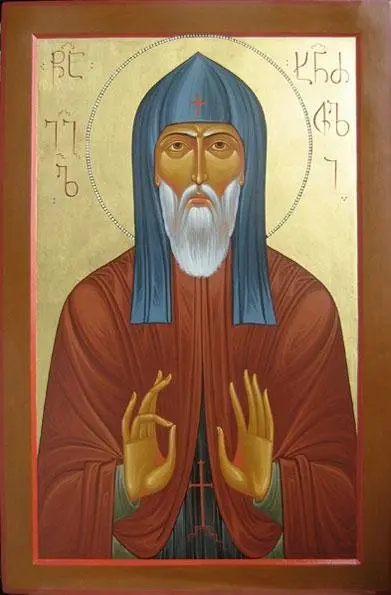
Saint Gregory of Khandzta is one of the greatest spiritual figures of the Church of Georgia in the 8th and 9th centuries: a monk, an enlightener and the builder of the monastic life of Tao-Klarjeti. His name is inseparably linked with the monasteries of Khandzta and Shatberdi and with the great spiritual and cultural revival that strengthened Georgian Christian life in a difficult period of Georgia's history.
Saint Gregory was born around the year 759 into a noble Georgian family. He grew up at the court of the eristavi Nerse and from childhood received an exceptional education. His biographer, Giorgi Merchule, tells us that Gregory was distinguished by remarkable intellectual gifts. He studied Holy Scripture, the psalms and the teaching of the Church, and already in his youth showed deep spiritual wisdom.
From an early age Gregory was drawn to the service of God. He was ordained priest, and when it was also planned to consecrate him bishop, Gregory declined that honour. For him church life was never a path to power and glory. He sought solitude, monasticism, prayer and strict ascetic labour.
To this end Saint Gregory left Kartli and, with three companions, Saba, Theodore and Christopher, set out for south-western Georgia. They first came to the monastery of Opiza, where they spent about two years. It was here that Gregory came to know the monastic life of Klarjeti, and his great aim gradually took shape: to turn desert places into centres of prayer and learning.
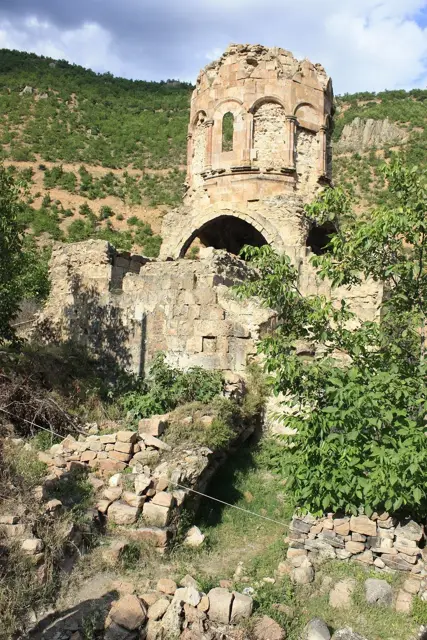
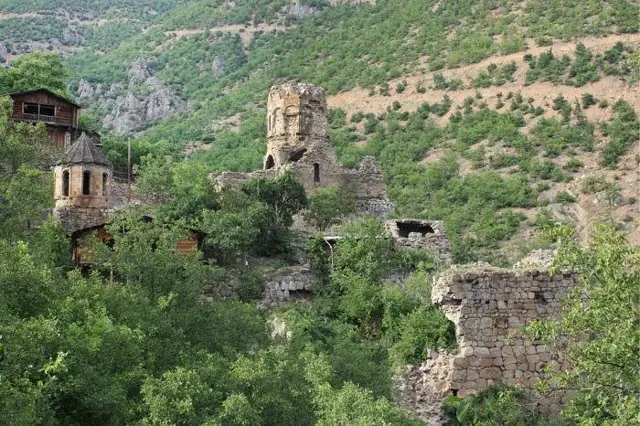
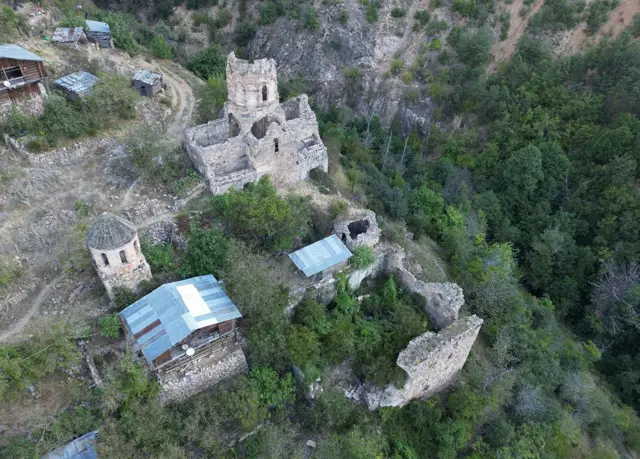
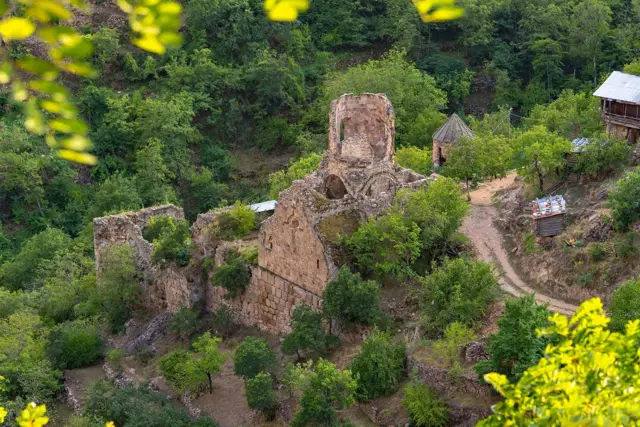
Then Gregory came to the wilderness of Khandzta. There lived the hermit Khuedios, who showed the place to the holy father. The austere and solitary setting of Khandzta especially attracted Gregory. Soon he returned with his companions and began to establish monastic life.
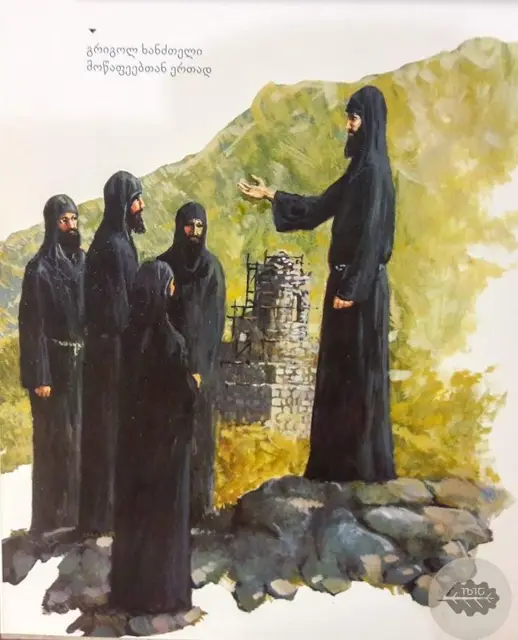
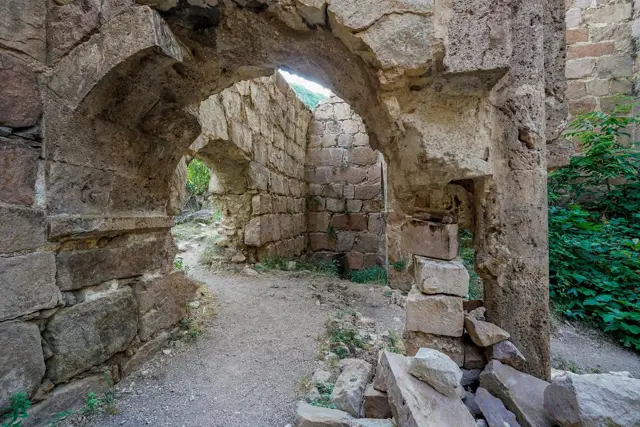
Life in Khandzta was extremely hard. The place was rocky and difficult to reach, but disciples gradually gathered around Gregory. A church and cells were built and the monastery of Khandzta took shape, which later became one of the most important centres of Georgian spiritual and cultural life. Through Gregory's labours an almost uninhabited wilderness came alive with prayer and monastic life.
Saint Gregory was not only the abbot of Khandzta. Under his influence a whole network of monasteries developed in Klarjeti. Especially important is the monastery of Shatberdi, whose building is linked with his name. His companions also continued their labours in different monasteries: Saba in the renewal of Ishkhani, Theodore at the monastery of Nedzvi and Christopher at Kvirike-tsminda. Thus the work begun by Gregory became a spiritual movement of the whole region.
For Gregory of Khandzta the monastery was not only a place of prayer. It became a hearth of learning, of letters and of the protection of Georgian culture. The holy father attached special importance to monastic order. He studied the rules of various monasteries and established a strict monastic life in his own. The monks of Khandzta lived in obedience, prayer, work and simplicity.
Saint Gregory's authority was so great that not only monks but also the rulers of the country honoured him. His life was closely bound up with the age of Ashot the Curopalate and the rise of Tao-Klarjeti. Even so, Gregory never lost before the authorities the freedom proper to a servant of the Church. When necessary, he rebuked the rulers too and demanded that they keep Christian morals.
One of the dramatic episodes of his life is connected with Tskir, bishop of Anchi. Tskir opposed Gregory and planned to have him killed. Giorgi Merchule's work tells that when the hired assassin approached the holy father, he saw a wondrous light around him, was seized with fear and his hand withered. Gregory did not answer evil with evil and healed him through his prayer.
Gregory's relationship with his disciples was of special importance. In his spiritual circle grew up people who took an important place in the history of the Church of Georgia, among them the future Catholicos Arseni and the future bishop of Atsquri, Ephrem. Gregory trained future church leaders and laid the foundation for the later development of the Georgian Church.
The life of Saint Gregory has come down to us through "The Life of Gregory of Khandzta", written by Giorgi Merchule in the 10th century. This work is not merely the hagiography of one saint: it is one of the most important written monuments of the Church, history and culture of Georgia and of the monastic world of Tao-Klarjeti.
In the last years of his life Saint Gregory returned to Khandzta. When he felt that his earthly journey was nearing its end, he blessed his disciples and commended them to Christ. On 5 October 861, at the age of 102, Saint Gregory of Khandzta reposed in peace. According to his own wish, he was buried in the monastery of Khandzta.
The Orthodox Church of Georgia celebrates the memory of Saint Gregory of Khandzta on 5 (18) October. Today he is one of the great symbols of Georgian Christian history. He filled the wilderness with monasteries, the monasteries with learning and books, and his disciples with faith and responsibility. His life reminds us that the spiritual revival of a country often begins with the faith, steadfastness and tireless service of a single person.
Hymns of Saint Gregory of Khandzta
🎵 Troparion
ნიშთა და სასწაულთა მოქმედად გამოგაჩინა შენ ღმერთმან, სანატრელო, და მოგცა ჴელმწიფებაჲ განსჴმად სულთა ბოროტთა და ყოველთავე სნეულებათა კურნებად, ღმერთშემოსილი, რომლისათჳსცა საღმრთოჲთა დიდებითა შენითა ვიქადით და გევედრებით: კლარჯეთის სავანეთა კეთილად განმგებელო მოღუაწეო და უდაბნოთა ქალაქმყოფელო, მამაო გრიგოლ, მეოხ-გუეყავ მოსავათა შენთა და გჳჴსენ ყოვლისაგან განსაცდელისა ქრისტეანენი.
🎵 Kontakion
უღელი იგი ქრისტჱსი მიიღე, ღმერთშემოსილო მამაო გრიგოლ, და მხართა შენთა ზედა იტჳრთე ჯუარი მისი, ვნებათა მისთა საღმრთოთა საწერტელად ყოვლადწმიდად ჴორცთა შინა შენთა მტჳრთველმან, რომლისათჳს საღმრთოჲსა დიდებისა მისისა ზიარად გამოშჩნდი, მომგებელი ჯილდოდ ღირსებისა მოსაგებელსა.