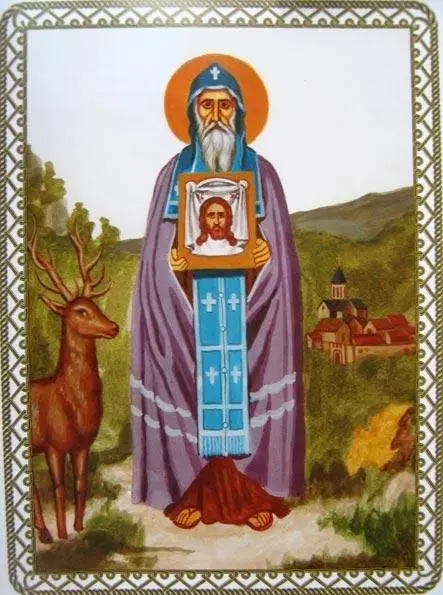
Saint Anthony of Martkopi
The deer knew the way to him before people learned of it: deep in the mountain lived a man who had exchanged noise for eternal silence. Having climbed the pillar, he rose higher still, not with a hand reaching for the sky, but with his soul, and to this day the forest of Martkopi keeps the silence of his prayer.
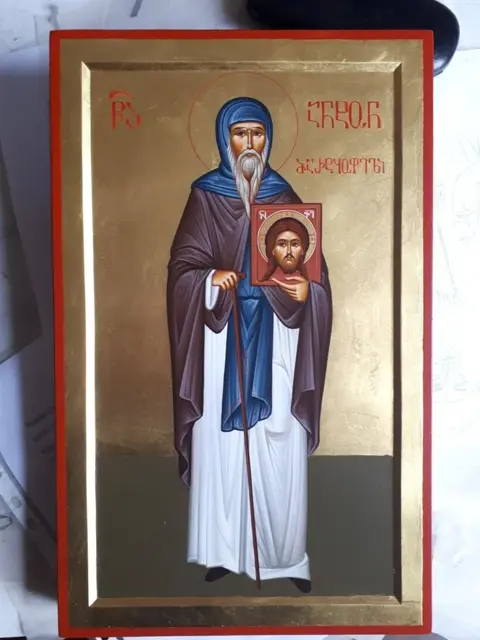
Saint Anthony of Martkopi, one of the Thirteen Assyrian Fathers, is one of the outstanding figures of the Orthodox Church of Georgia in the 6th century, a desert hermit and a strengthener of monastic life. His name is inseparably linked with the strengthening of the Christian faith in Georgia, with the great missionary labours of the Assyrian Fathers and with the history of the Martkopi Monastery of the Divinity. Saint Anthony devoted his life to prayer, solitude, strict ascetic labour and the service of God, and won a special place in Georgian Church tradition.
Saint Anthony came to Georgia in the 6th century from the city of Edessa, one of the important spiritual centres of the ancient Christian world. He was among the holy fathers whom Georgian Church tradition commemorates as the Thirteen Assyrian Fathers. Their work is connected with the strengthening of monastic life in Georgia, the consolidation of Christian teaching and the formation of new spiritual centres in various parts of the country.
After coming to Georgia, Saint Anthony was for some time connected with the other Assyrian Fathers, and then chose the path of solitary life. According to Church tradition, he preached in various regions and served the spread of the Christian faith. His work is associated with the lands north of Zedazeni, the area of the Ikalto mountains, the Lopota valley and the Akhmeta district. Finally he settled in the Akriani mountains, near present-day Martkopi.
Saint Anthony was especially drawn to the desert life and to reclusion. He chose to live far from the noise of men and the glory of this world, in order to give all his time to prayer, fasting and spiritual communion with God. Because of this solitary life he was called "the one who lives alone". In time this name became fixed as "Martkopeli", and according to tradition the present name of the place itself, Martkopi, is connected with it.
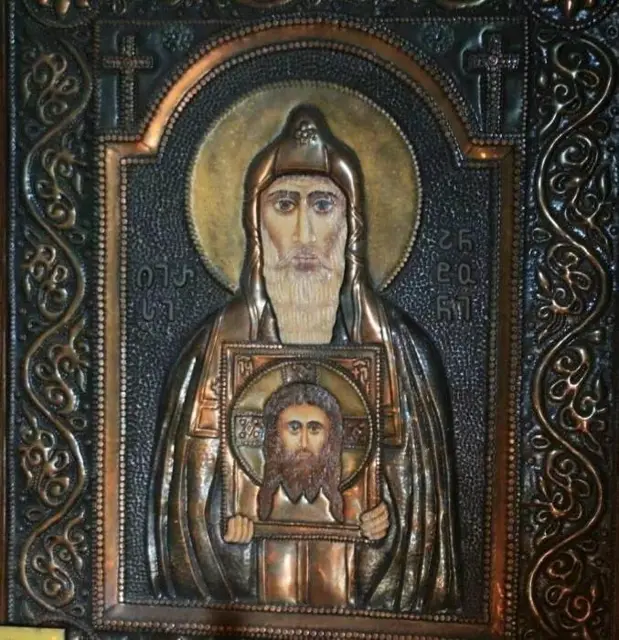
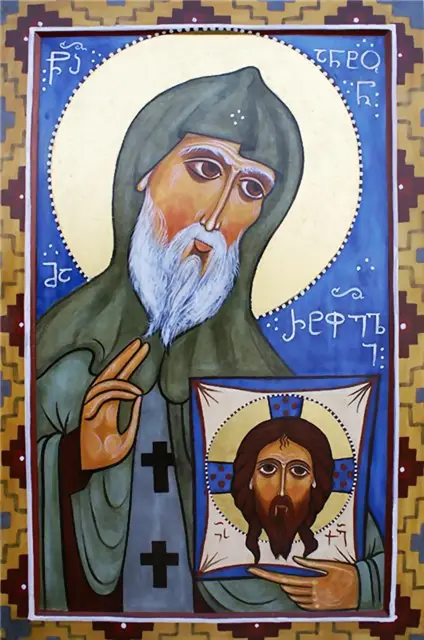
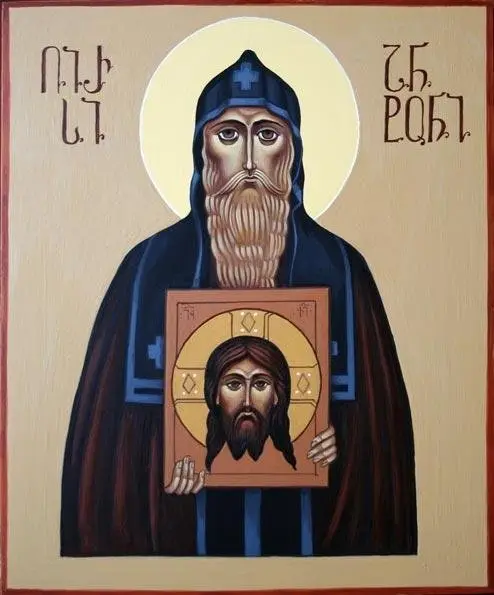
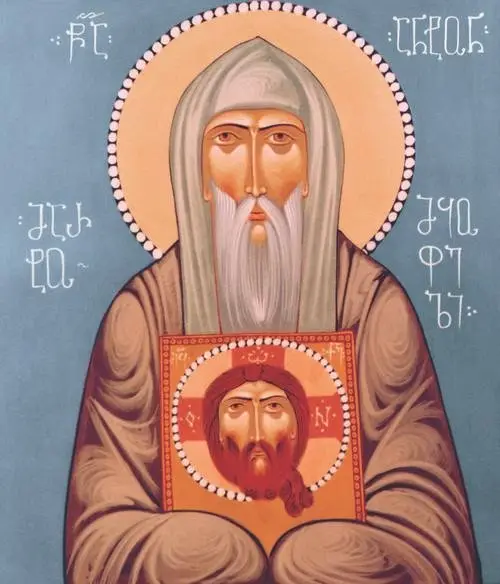
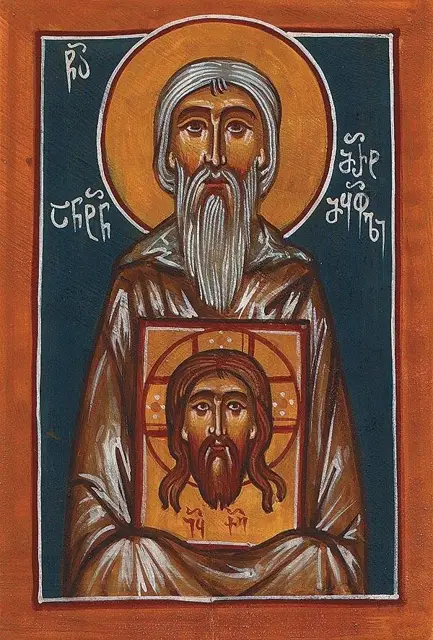
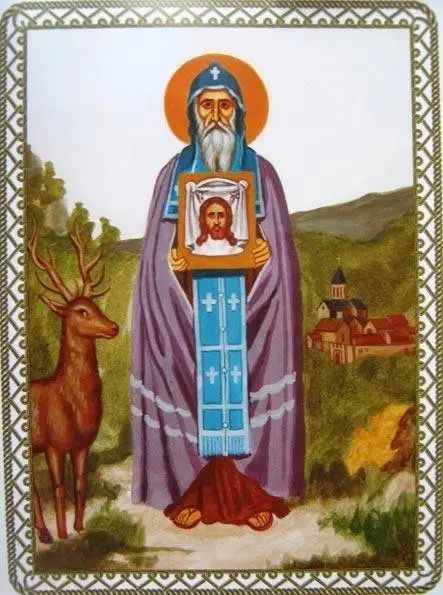
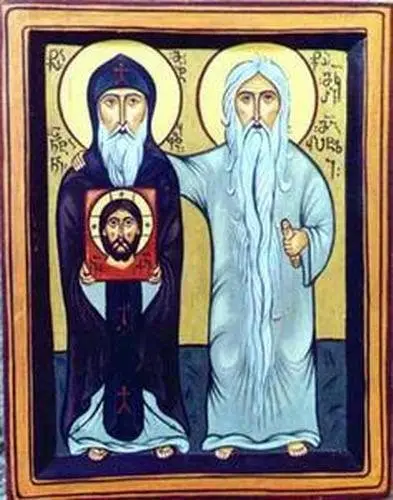
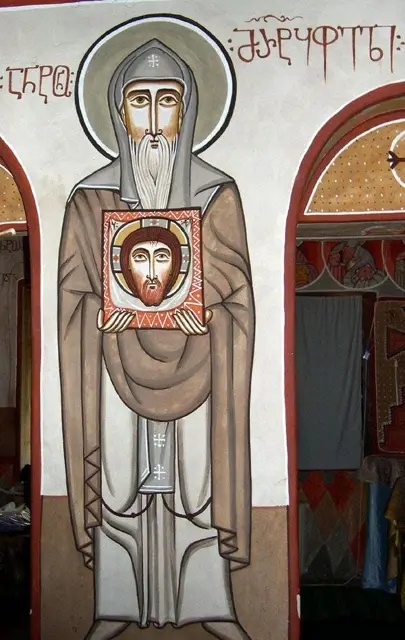
One of the most important church traditions connected with the life of Saint Anthony concerns the icon of the Saviour not made by hands. According to Georgian hagiographic tradition, the holy father brought to Georgia a holy object connected with the icon of Christ not made by hands. The memory of this relic is reflected especially in the troparion and kontakion dedicated to the saint, where Anthony is presented as the guardian of the icon of Christ and the bringer of this great holy treasure to the Georgians.
In the Akriani mountains Saint Anthony led an extremely strict ascetic life. Church tradition tells that deer came to the solitary father and that he fed on their milk. According to a well-known tradition, one day the deer returned frightened, and among them a fawn was wounded. In Saint Anthony's life this event is followed by his meeting with the local people and the revelation of the saint's spiritual power. Such episodes have remained for centuries in popular and church memory as a sign of his holiness and his complete trust in God.
Despite his solitary life, news about Saint Anthony gradually spread. People learned of his strict labours, his prayer and his spiritual life, and began to come to him. People seeking spiritual counsel, prayer and consolation gathered around the holy father. Disciples also gathered around him, which laid the foundation for the development of monastic life at Martkopi.
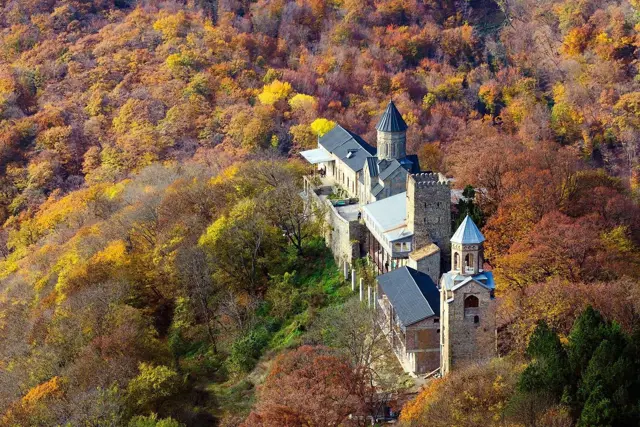
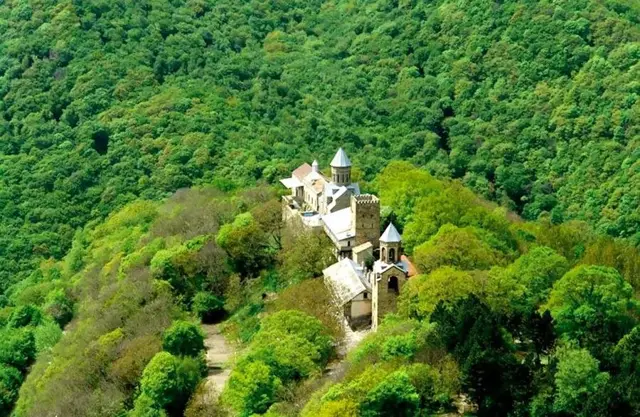
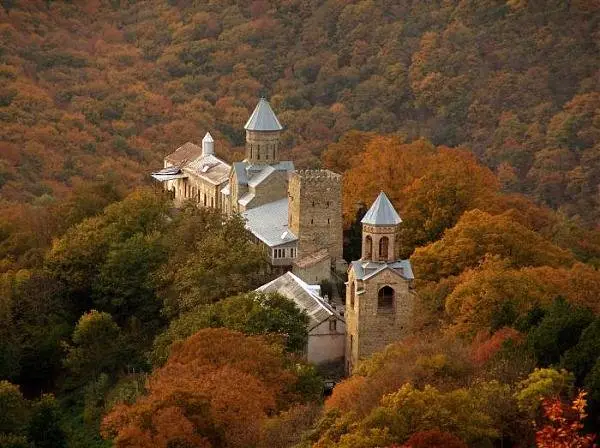
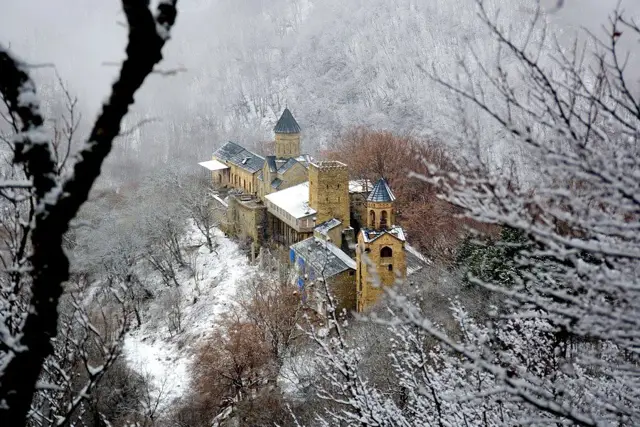
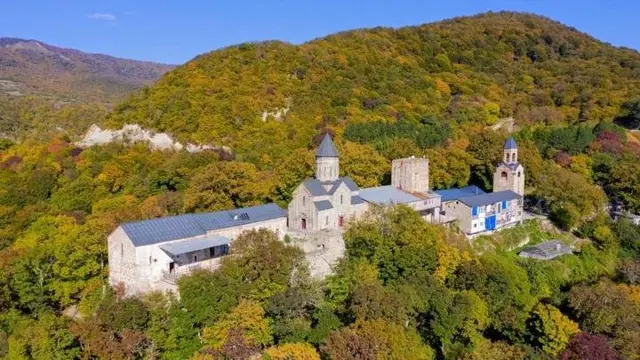
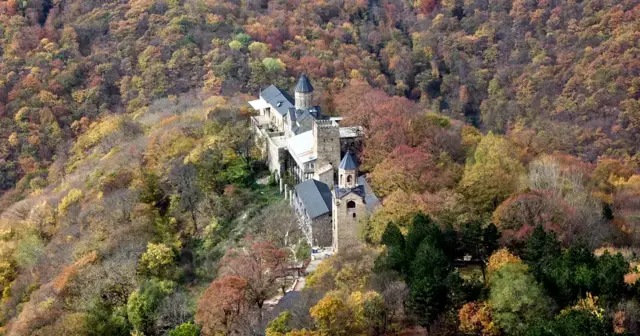
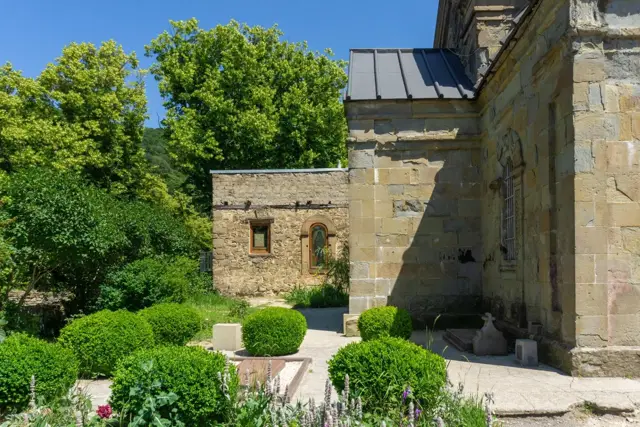
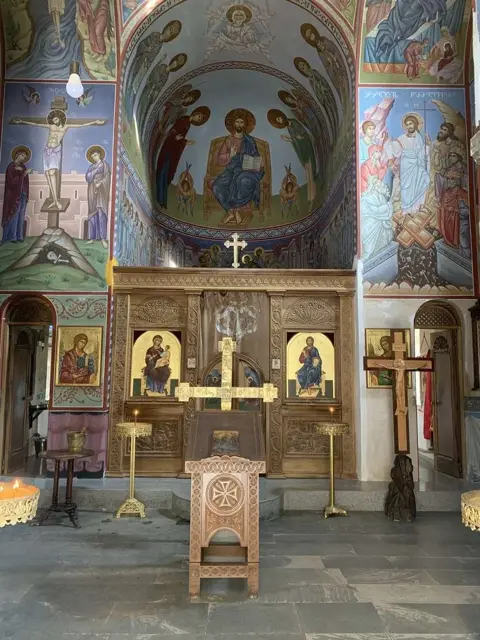
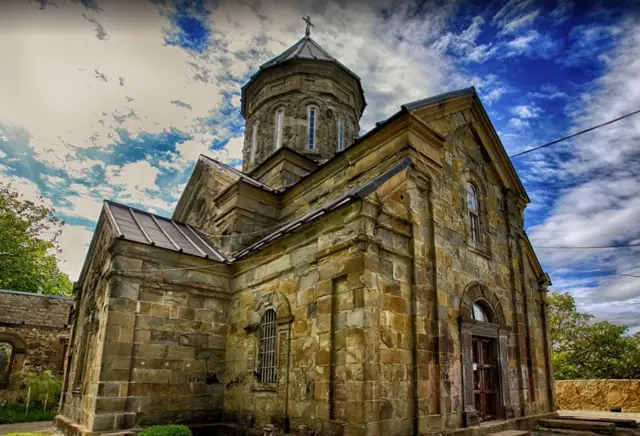
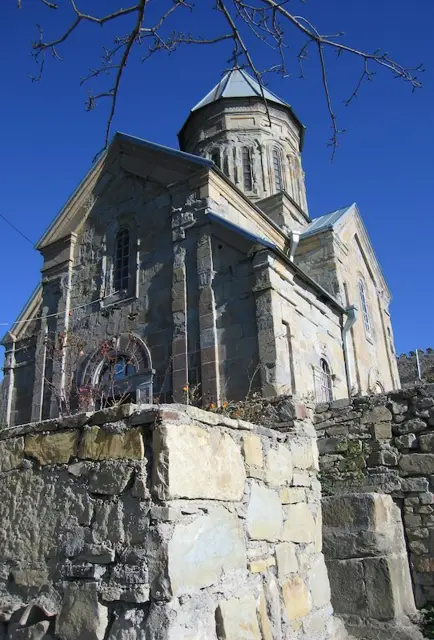
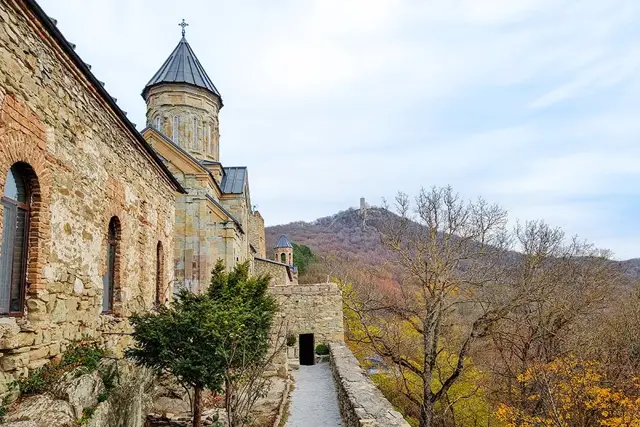
It is with Saint Anthony of Martkopi that the formation of the Martkopi Monastery of the Divinity is connected. The monastery lies east of Tbilisi, on the wooded slopes of the Ialno range, and over the centuries became one of the important spiritual centres of Georgia. The solitary place chosen by Saint Anthony gradually took on the form of a monastery, where the tradition of prayer and ascetic life was handed down from generation to generation.
In the last period of his life Saint Anthony chose an even stricter solitude. East of the monastery, in a rocky, hard-to-reach place, he lived as a recluse on a pillar. For this reason the saint is also known as Anthony the Stylite. The purpose of living on the pillar was not simply separation from people, but complete spiritual concentration: unceasing prayer, fasting, repentance and the search for closeness to God.
Saint Anthony of Martkopi reposed in the Martkopi monastery, and his holy relics remained connected with the monastery he had founded. Over the centuries his tomb became a place of special veneration by the faithful. People came to ask for Saint Anthony's intercession, and Georgian Church tradition associates many miracles and instances of help with his name.
The monastery founded by Saint Anthony continued to exist after his death. Over the centuries the Martkopi Monastery of the Divinity went through many invasions, destructions and restorations, but the spiritual tradition established by the holy father did not disappear. East of the monastery, Saint Anthony's pillar, the place connected with his last ascetic labours, keeps a special importance to this day.
The Orthodox Church of Georgia celebrates the memory of Saint Anthony of Martkopi on 19 January (1 February), according to the old and the new calendar. He is also commemorated together with the other Assyrian Fathers, as one of the great ascetics who in the 6th century had a special influence on the spiritual life of Georgia.
Today Saint Anthony of Martkopi is for the Georgian Orthodox people a special example of steadfast faith, solitude, fasting, prayer and complete trust in God. His life reminds us that the foundation of Christian labour is not outward glory, but a person's inner transformation, humility and union with God. The Martkopi monastery and Saint Anthony's pillar still keep the spiritual heritage that one of the great Assyrian Fathers left to Georgia in the 6th century.
Hymns of Saint Anthony of Martkopi
🎵 Troparion
ხატად ღმრთისა შექმნილმან წმინდაო, არა უდებ ჰყავ პატივი ხატისა ქრისტესი, თჳნიერ ხელითა კაცთასა გამოსახულისა, რამეთუ იხილე რა ხელთა შინა ურწმუნოთასა, განხურვებულმან შურითა საღმრთოჲთა, იტვირთე მხართა ზედა მტვირთველი ყოველთა, და მოუძღვანე ქართველთა ერსა, მოღვაწეთა შუენიერებაო ანტონი, ევედრე ქრისტესა ღმერთსა შეწყალებად სულთა ჩუენთათჳს.
🎵 Kontakion
მნათობად მზეებრ ბრწყინვალედ მოეცნეს ქართველთა ერსა ათორმეტ რიცხვნი მამანი, მოძღვარნი ყოვლისა სოფლისანი, და შვენიერებანი უდაბნოთანი, ხოლო შორის მათსა ბრძენი ანტონი იდიდებინ დღესა ჩუენ მიერ, რომელმან მოგვისვენა ხატი ღმრთისა, ხელით უქმნელი, მფარველად მეფისა მორწმუნისა და საცოდ ყოვლისა სოფლისა.