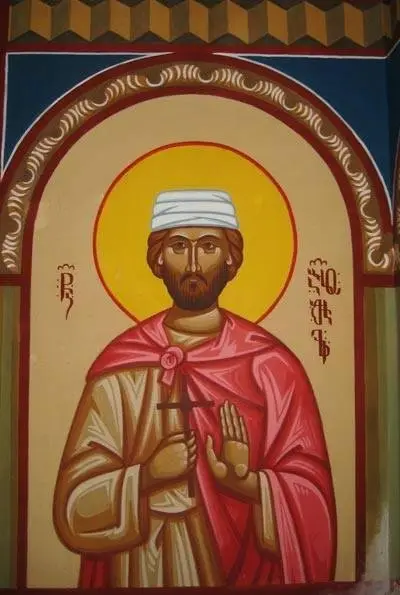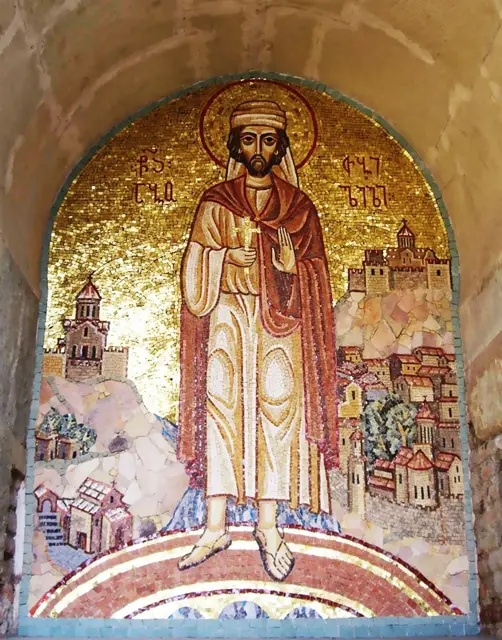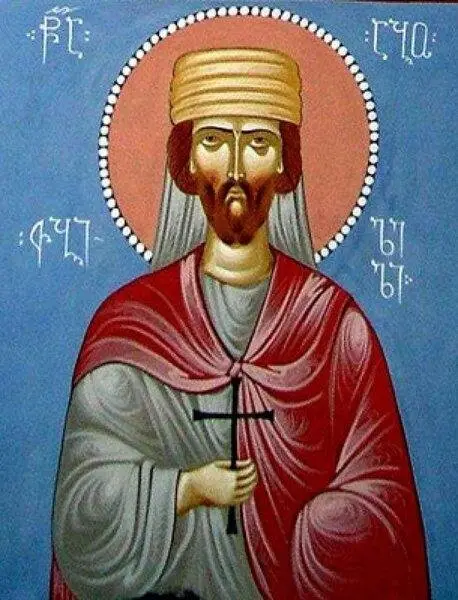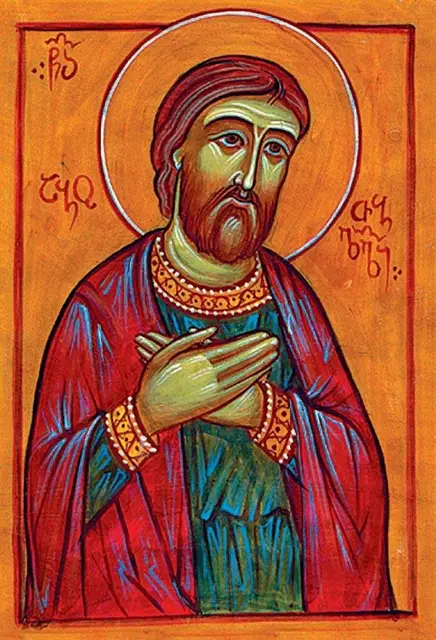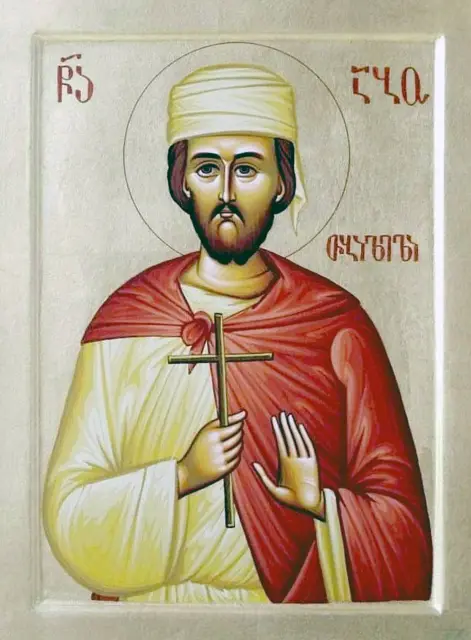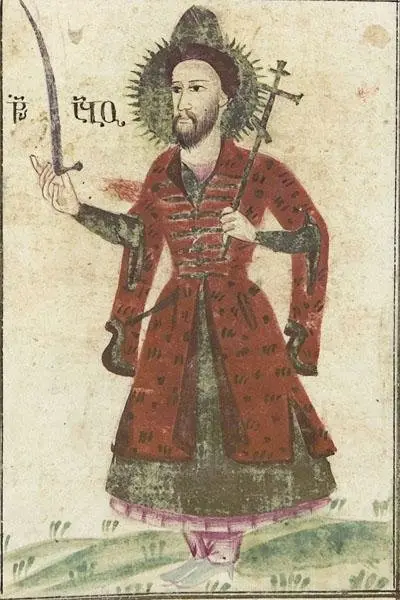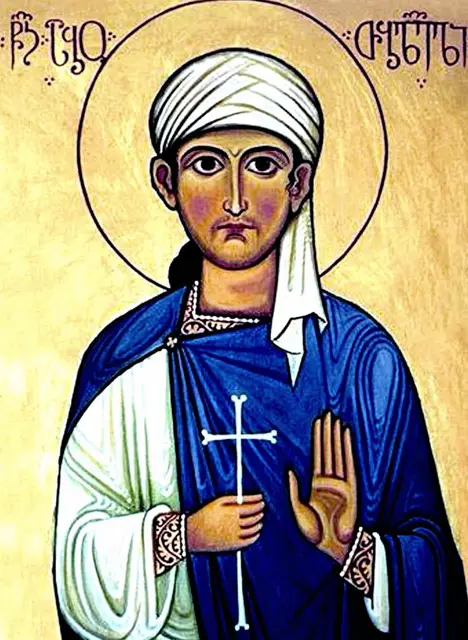
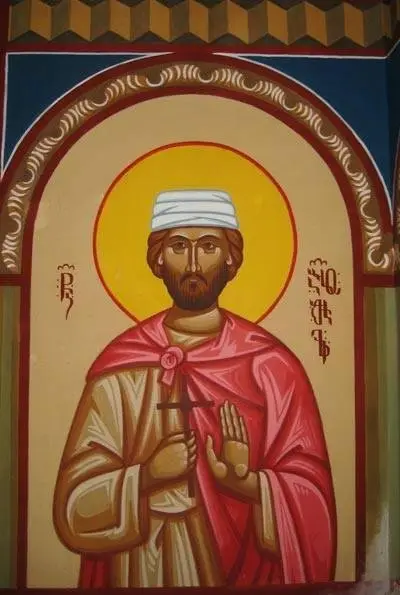
Saint Abo of Tbilisi
In Tbilisi he came to know Christ and freely chose a road whose price was his own life. Abo was asked to renounce his faith, but he chose faithfulness to Christ over life. They burned his body and gave his ashes to the Mtkvari, yet they could not make his name disappear: the martyr's blood gave Tbilisi a spiritual protector, and his faith has endured through the centuries.
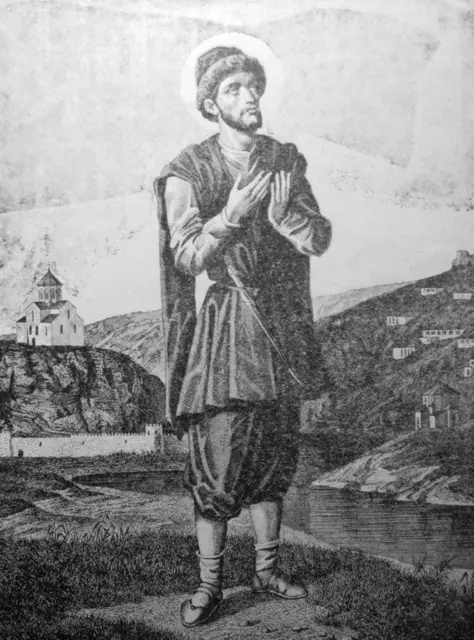
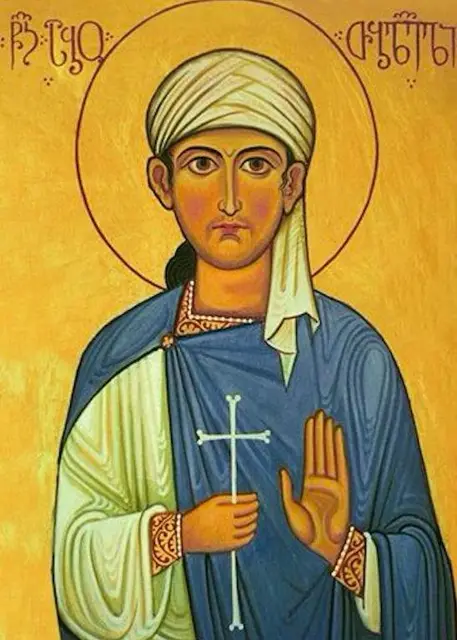
Saint Abo of Tbilisi, one of the most outstanding martyrs of the Church of Georgia in the 8th century, is a singular example of free choice for Christ, spiritual steadfastness and self-sacrifice. An Arab by origin and at first a Muslim, Abo came to know the Christian faith after arriving in Georgia, came to love Christ and finally received baptism of his own free will. He knew well that openly confessing Christianity would endanger his life, yet he preferred death to hiding his faith and denying Christ. That is why his life has remained in the Christian history of Georgia one of the strongest testimonies to freedom of faith and unshakeable faithfulness.
Abo was born in the middle of the 8th century in Baghdad. He was an Arab and grew up in a Muslim environment. The chief information about his life has been preserved for us by Ioane Sabanisdze, who wrote one of the most important hagiographic works of ancient Georgian literature: "The Martyrdom of the Holy and Blessed Martyr of Christ Abo".
The young Abo practised the craft of making ointments and fragrant substances. Because of this work he was connected with an educated, artisan milieu. The decisive change in his life came when he joined Nerse, the eristavi of Kartli, and came with him to Georgia.
In Tbilisi Abo encountered the Georgian Christian milieu at close quarters for the first time. He observed the life of Georgian Christians, talked with the clergy, learned the Georgian language and gradually came to know Holy Scripture and Christian teaching. Little by little Christianity ceased to be for him merely a foreign religion and became his inner faith.
This choice was especially difficult because of the political situation in which Abo lived. Tbilisi in the 8th century was under Arab rule, and the acceptance of Christianity by someone born a Muslim could be regarded as a grave crime. Therefore at first Abo kept his Christian faith secret.
When Nerse's political position worsened, he had to leave Kartli. Abo followed him and found himself in the North Caucasus, in the land of the Khazars. It was there that Abo received Christian baptism. From then on his choice was final and public: he was no longer merely someone interested in Christian teaching, but a full member of the Church.
Abo's path then continued towards western Georgia. After some time he had the opportunity to remain in surroundings where he faced less danger because of his Christianity. Nevertheless, he decided to return to Tbilisi, a city where he knew well that his faith could cost him his life.
This decision is one of the most important moments of his life. Abo could have remained a Christian in a safe place, but he did not want to hide his faith. For him Christianity was not only a personal inner feeling; it also meant confessing Christ openly.
After returning to Tbilisi, Abo lived openly as a Christian. He prayed, fasted, took part in the life of the Church and no longer hid his confession of Christ. Those close to him and other believers warned him that his conduct would not go unnoticed by the Arab authorities, but Abo answered that he had no intention of denying Christ.
Finally he was arrested and brought before the Arab authorities of Tbilisi. They demanded that he renounce Christianity and return to the faith of his forefathers. They also offered him freedom and safety if he would deny Christ.
Abo refused. For him confessing Christ was now the main foundation of his life. Imprisonment, interrogation and the threat of death could not change his decision.
While in prison he prepared for martyrdom. Ioane Sabanisdze's work especially emphasises his calm and spiritual steadfastness. Abo knew that death was approaching, but he saw it as the way to meeting Christ.
Before his martyrdom he intensified his prayer and met the Christian feasts with special spiritual preparation. His final trial came precisely in the period when the Church was celebrating the Nativity of Christ and Theophany.
On 6 January 786 Abo was led out of prison. The authorities gave him one last chance to renounce Christianity and save his life. Abo again firmly confessed Christ.
After this he was beheaded. The representatives of the authorities feared that Christians would keep his body as holy relics and that his grave would become a new shrine. Therefore Abo's body was burned and the remains were thrown into the Mtkvari.
But their intention had the opposite result. The place of his martyrdom acquired special significance, and Abo's name became even better known in Tbilisi and throughout Georgia.
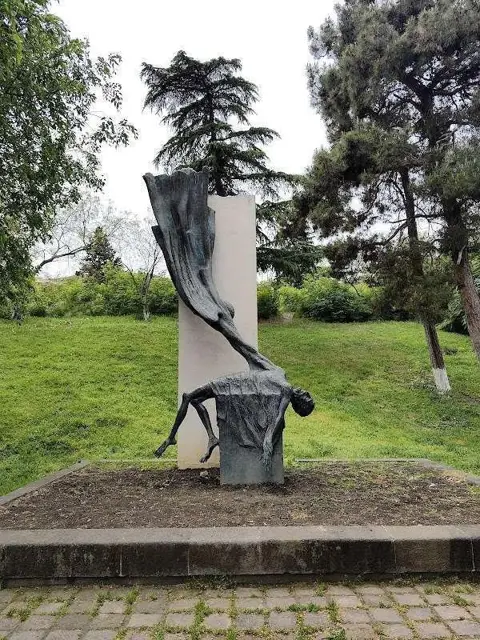
In Georgian Church tradition, the place of Abo's martyrdom is linked with the bank of the Mtkvari, in the Metekhi area of Tbilisi. For centuries this place was connected with the memory of Saint Abo, and the saint himself became one of the special heavenly protectors of Tbilisi.
Abo's martyrdom had special significance for the Georgians of his time. Georgia was under foreign political rule, and Christian identity existed under constant pressure. At such a time, the free choice of Christianity by a man who was an Arab by origin and raised in a Muslim environment became a powerful spiritual testimony for Georgian Christians.
His example showed clearly that Christianity is not the property of any nation or origin. Abo was not born into a Christian family and received Christ by his own conscious choice. It is precisely this that makes his life especially remarkable.
Another great significance of Saint Abo's story is connected with Ioane Sabanisdze's "Martyrdom of Abo". This work is one of the most important monuments of ancient Georgian literature and not only describes the saint's martyrdom, but also provides important information on the political, religious and cultural situation of 8th-century Georgia.
For Ioane Sabanisdze, Abo's martyrdom was an answer to the great spiritual danger of that age. Under foreign political domination, the author reminded the Georgians of their own Christian faith and identity. And Abo was the strongest example of this call: a man of foreign origin who came to know Christ and gave his own life for him.
Therefore Abo's life is not merely the biography of one martyr. It is also a story of free choice, personal faith and spiritual independence. The authorities could arrest and kill him, but they could not force him to deny his conscience and his faith.
The Orthodox Church of Georgia celebrates the memory of Saint Abo of Tbilisi on 8 (21) January, according to the old and the new calendar. His memory is celebrated with special solemnity in Tbilisi, the city where he publicly confessed Christ and completed his martyrdom.
Today Saint Abo of Tbilisi remains for Georgian Christians an outstanding example of steadfast faith, spiritual freedom and fearlessness. His life showed that a person's faith is not determined by origin, nationality or the environment into which he was born.
Abo received Christ by free choice, and when he was faced with the choice between life at the price of denying Christ and death for faithfulness to the faith, he chose martyrdom. That is why, centuries later, his name remains inseparably linked with Tbilisi and the Christian history of Georgia.
His life reminds us that true faith shows itself when defending it has a price. In Abo's case that price was his own life. That is why the Church of Georgia still honours him today as a great martyr of Christ and the spiritual protector of Tbilisi.
Hymns of Saint Abo of Tbilisi
🎵 Troparion
მოწამეო შენ ქრისტესო, აბო, ღვაწლითა შენითა გვირგვინი მოიგე უხრწნელი ქრისტეს ღმრთისა ჩუენისაგან, რამეთუ გაქუნდა ძალი მისი და მძლავრი დაამხუე, შემუსრე ეშმაკთა უძლური კადნიერებაჲ; შენითა მეოხებითა, ქრისტე ღმერთო, აცხოვნენ სულნი ჩუენნი.
🎵 Kontakion
სარწმუნოებისა ქრისტესისა ტრფიალებითა აღენთე, სანატრელო აბო, და მამულისა სჯული დაუტევე, ხოლო ქრისტე ღმერთი ჭეშმარიტად აღიარე და მისთვის სისხლი შენი დასთხიე, მოწამეო ყოვლად დიდებულო; აწ წინაშე მისსა მდგომარე, ევედრე მას შეწყალებად სულთა ჩუენთათჳს.