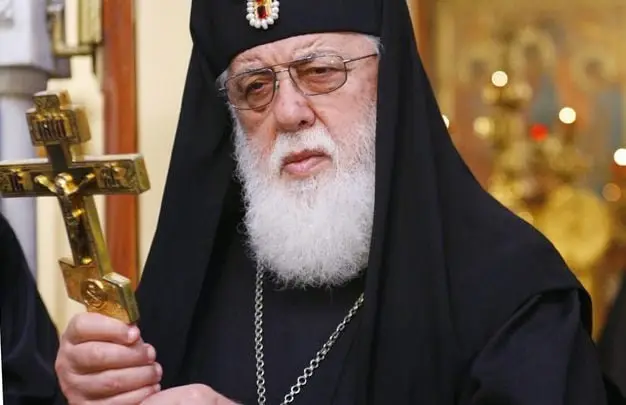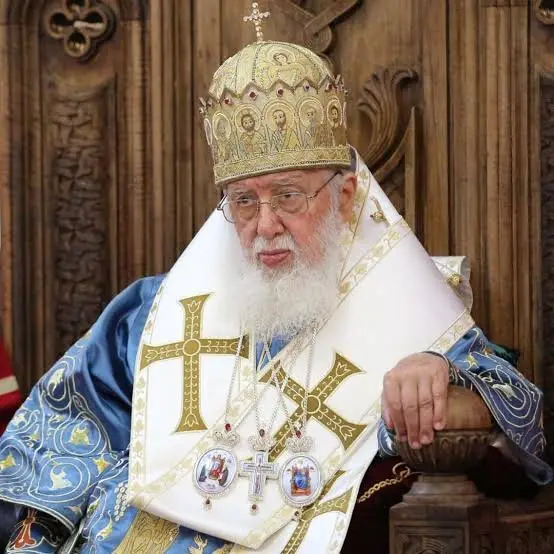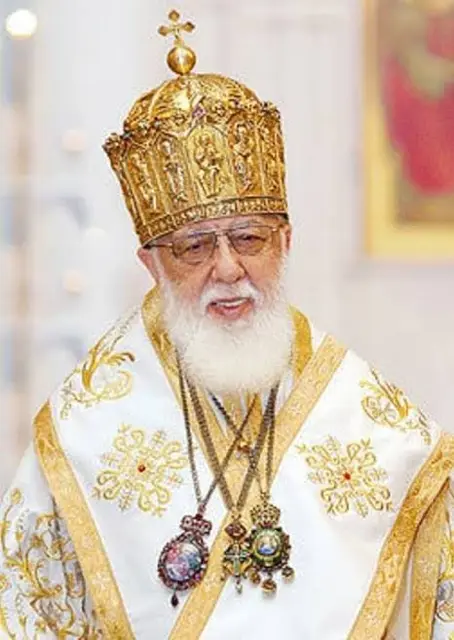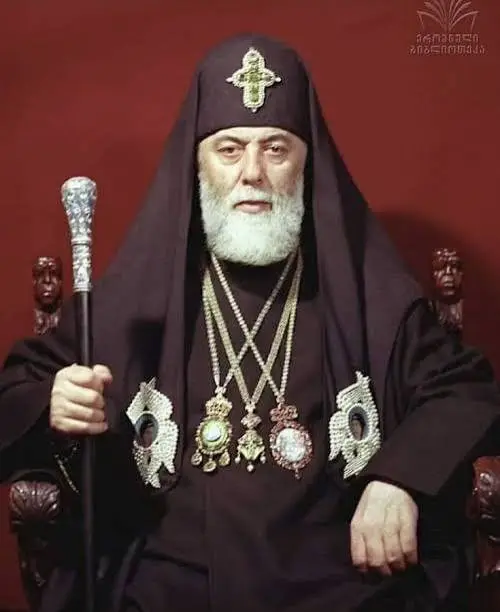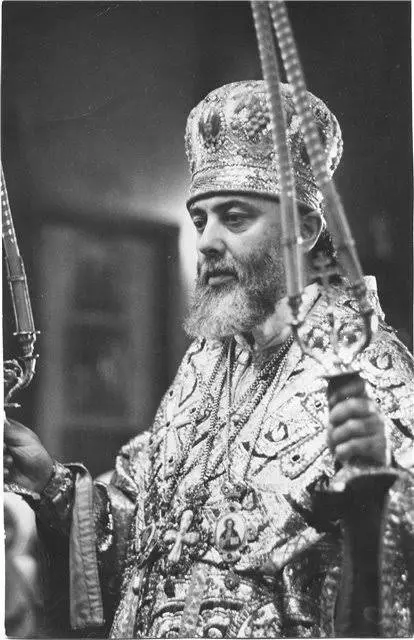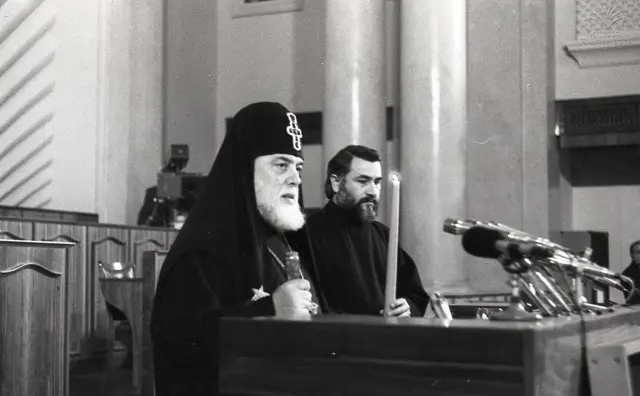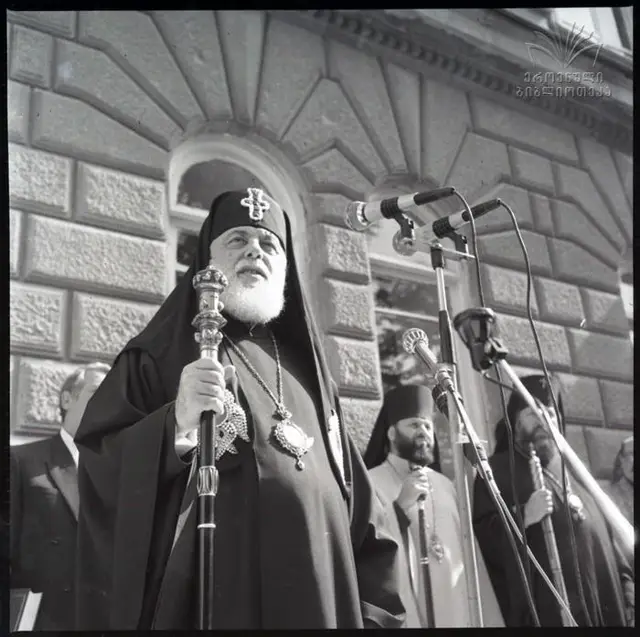
Ilia II, Catholicos-Patriarch of All Georgia: almost half a century at the head of the Church of Georgia
In his prayer Georgia breathed, in his word the people found comfort, and generations carried his blessing in their hearts. Ilia II remains as a quiet light that for almost half a century accompanied his nation along the path of faith.
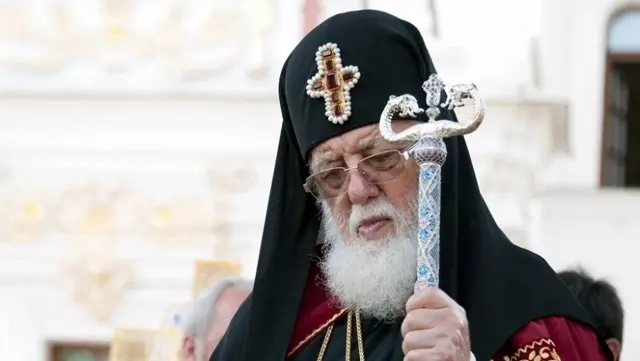
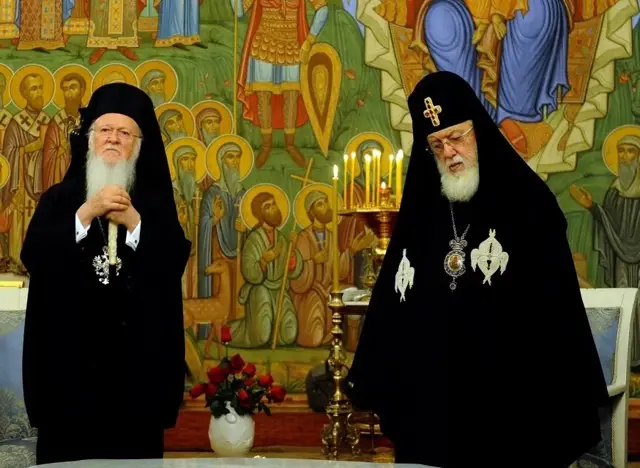
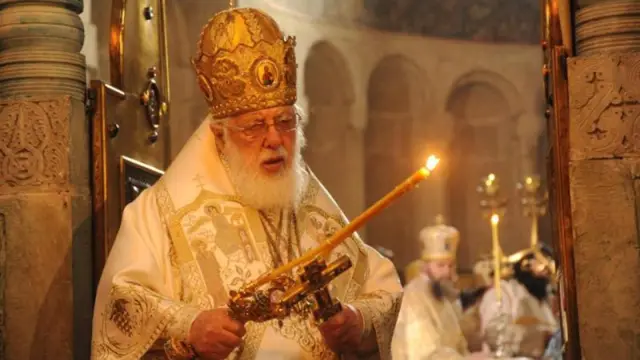
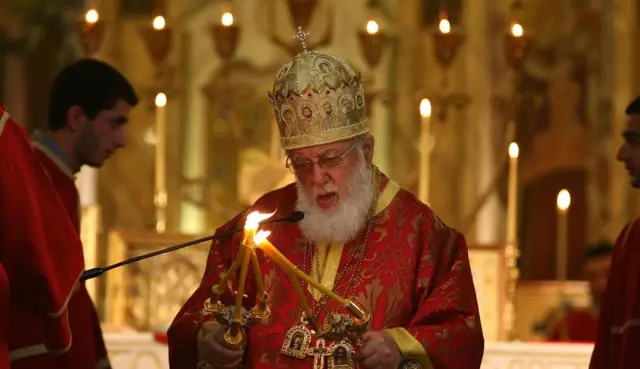
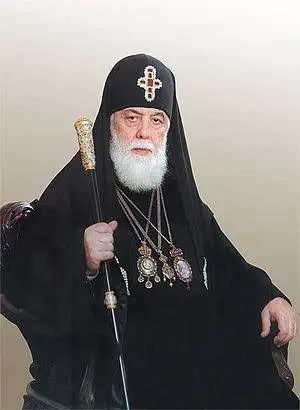
On 17 March 2026 an era came to an end in Georgia that in the memory of several generations was linked with a single name. Ilia II, Catholicos-Patriarch of All Georgia, died at the age of 93. For more than 48 years he stood at the head of the Orthodox Church of Georgia, and in that time the country changed, the Soviet era ended, Georgia's independence was restored, monastic life revived, hundreds of churches were opened and new generations grew up in the Church. For many Georgians Ilia II was no longer only the patriarch. His voice, his prayer and his blessing accompanied the important moments of their lives.
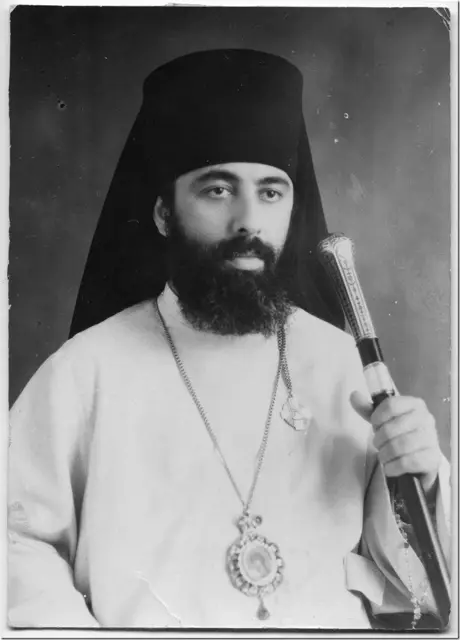
Ilia II, in the world Irakli Giorgis dze Ghudushauri-Shiolashvili, was born on 4 January 1933 in Vladikavkaz. His family's roots were linked with the Georgian highlands, Khevi and the village of Sno. His father Giorgi Shiolashvili and his mother Natalia Kobaidze raised their children in a Georgian environment, with faith and love of the homeland.
It was a time when the life of the Church suffered severe restrictions in the Soviet state. Many churches were closed, the number of clergy had fallen, and the place of religion in public life had been almost entirely squeezed out. It was in precisely this environment that the young Irakli grew up, who later devoted his whole life to the service of the Church.
After finishing school he chose the path of theological education. He studied at the Moscow Theological Seminary and then at the Moscow Theological Academy. In 1957 he was tonsured a monk and given the name Ilia. A few days later he was ordained hierodeacon, and on 10 May 1959 he was ordained hieromonk.
In 1960 Ilia graduated with distinction from the Moscow Theological Academy. His candidate's thesis dealt with the history of the Iviron monastery on Mount Athos. He had the opportunity to continue his academic work, but because of the shortage of clergy in Georgia he chose to return to his homeland.
The young hieromonk was assigned to the cathedral of Batumi.
The following years marked the beginning of a rapid church career, but one full of heavy responsibility. He was raised to the rank of hegumen and then of archimandrite, and on 26 August 1963 the Catholicos-Patriarch of All Georgia Ephraim II consecrated him bishop.
In the same period Ilia also became involved in restoring theological education in Georgia. From 1963 to 1972 he was the first rector of the Mtskheta Theological Seminary. At that time this school was of special importance, because in Soviet reality the training of new clergy was decisive for the survival of the Georgian Church.
In 1967 Bishop Ilia was transferred to govern the eparchy of Tskhum-Abkhazia, and in 1969 he was raised to the rank of metropolitan.
The years spent in Abkhazia would hold a special place in his life. Later too his full patriarchal title included Metropolitan of Bichvinta and Tskhum-Abkhazia, and the theme of Abkhazia remained part of many of his sermons and prayers.
In the autumn of 1977 the Church of Georgia faced the election of a new patriarch. After the death of Catholicos-Patriarch David V, Metropolitan Ilia was appointed locum tenens of the patriarchal throne.
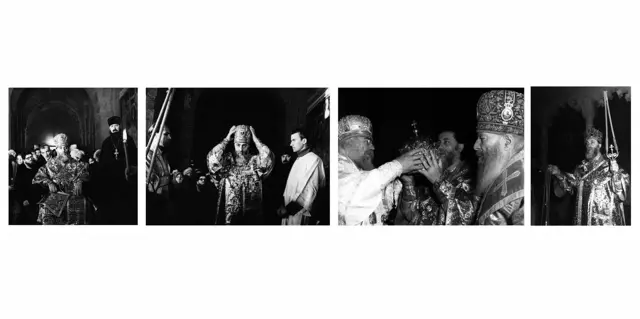
On 23 December 1977, at the 12th Church Council of the Church of Georgia held in the patriarchal Sioni Cathedral of Tbilisi, the 44-year-old Metropolitan Ilia was elected Catholicos-Patriarch of All Georgia.
Two days later, on 25 December, his enthronement took place in Svetitskhoveli Cathedral in Mtskheta.
Svetitskhoveli was full of people.
The Church of Georgia had a new patriarch.
He was named Ilia II.
The young patriarch took over the Church at a time when, after decades of Soviet rule, its possibilities were extremely limited. The number of functioning eparchies, churches and clergy was small, monastic life had almost disappeared, and the system of theological education was still very weak.
One of the main historical results of Ilia II's patriarchate was precisely the gradual change of this situation.
The number of eparchies grew. Churches were restored and built. Monastic life revived. The number of clergy increased. The Church began to distribute books, theological literature and religious publications in modern Georgian.
But his ministry was not limited to church administration.
There came days in Georgia's history when the patriarch's voice reached beyond the walls of the church.
One such night was the night of 9 April 1989.
Thousands of people stood on Rustaveli Avenue. The danger of intervention by Soviet military forces was becoming ever more real. Ilia II went to the assembled crowd and warned them of the coming danger. He called on people to move into Kashveti Church and pray.
The people did not want to leave the square.
And the patriarch stayed with them.
A few hours later that night became one of the most tragic events in Georgia's recent history. 9 April was no longer only part of political history. It remained in the common memory of the Georgian people as a day of pain and of longing for freedom.
Another very important stage of Ilia II's patriarchate came in 1990.
The autocephaly of the Church of Georgia was a centuries-old historical reality, but the question of its international church recognition remained problematic. Ilia II worked for years in this direction.
On 4 March 1990, by documents issued by the Ecumenical Patriarch of Constantinople Demetrios I, the autocephaly of the Orthodox Church of Georgia and its patriarchal dignity were officially confirmed.
It was an event whose significance went beyond the biography of one person.
Ilia II was no longer leading only a Church struggling to survive in the Soviet space. Before his eyes an entirely new historical stage was beginning for Georgia and the Georgian Church.
The 1990s proved hard for the country. The restoration of independence was followed by social hardship, conflicts and wars. In those years many people returned to the Church.
The faithful gradually returned to the churches.
New theological schools were opened. In 1988 the Tbilisi Theological Academy and Seminary were established. Later theological schools were opened in various parts of Georgia. The academic tradition of Gelati was restored and new educational institutions were created.
Ilia II attached special importance to education. For him the revival of the Church did not mean only building churches. Educated clergy were needed, as well as books, scholarship and the study of Georgian culture and Christian heritage.
One of the most visible symbols of his patriarchate became the Holy Trinity Cathedral of Tbilisi.
The idea of building Sameba was born in difficult years for Georgia. Construction went on for many years, and the opening of the cathedral in 2004 completed one of the most important projects of modern Georgian church architecture.
Sameba's golden dome, rising above Tbilisi, gradually became a new symbol of the city.
But the people's special attitude towards Ilia II was not based only on great projects.
Often the strongest bond was created by small gestures.
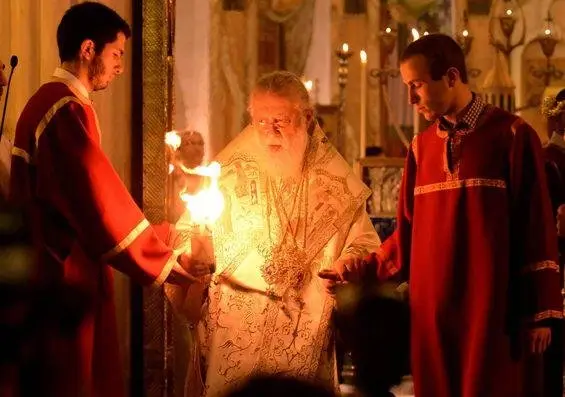
His sermons began in a quiet voice. He often spoke of love, forgiveness, family, homeland, education, human responsibility and listening to one another. For many families his Christmas and Easter epistles became for years an inseparable part of the feast.
In 2008 another remarkable tradition began. To help improve the demographic situation, the patriarch announced that he himself would become godfather to third and subsequent children born in families.
The first such mass baptism took place on 19 January 2008.
Over the years tens of thousands of children became godchildren of Ilia II.
For the families of these children their bond with the patriarch was no longer only respect for the head of the Church. It also became part of their family history.
Time went by.
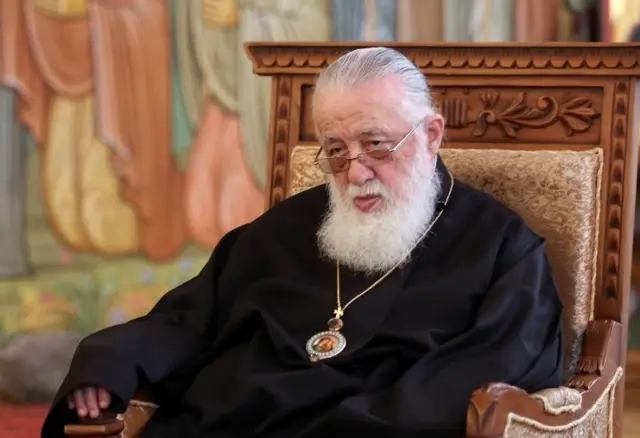
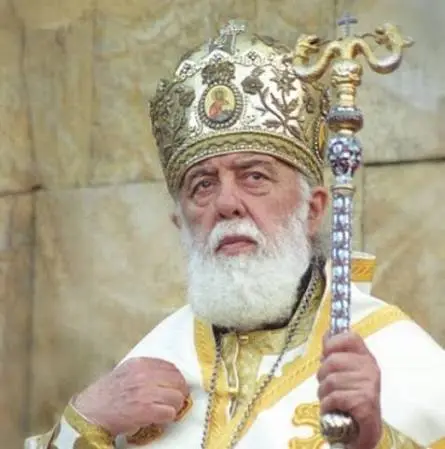
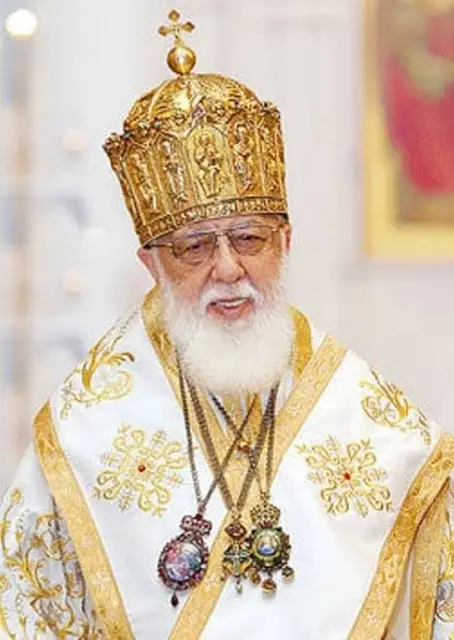
The 44-year-old patriarch enthroned in Svetitskhoveli in 1977 gradually became the elderly patriarch known for his white beard and quiet voice, whom several generations knew at once.
People were growing up in Georgia who had never seen another Catholicos-Patriarch.
That is why, when Ilia II died on 17 March 2026, it was not merely the death of the head of the Church.
For the country an era of almost half a century came to an end.
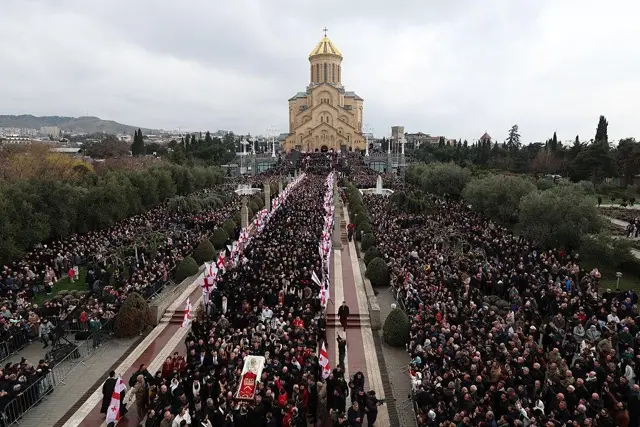
The next day his body was moved from the Patriarchate to the Holy Trinity Cathedral of Tbilisi. Thousands of people came out into the streets. Some stood with candles, some prayed, others simply followed the procession's route in silence.
For several days people went to Sameba to bid a last farewell to the patriarch whose voice they had heard for decades.
On 22 March 2026 the service for the repose of his soul was held in the Holy Trinity Cathedral. Then the funeral procession went through the streets of Tbilisi to the patriarchal Sioni Cathedral of the Dormition of the Mother of God.
There Ilia II was buried.
Sioni was a special place in his life. The church path of his youth was connected with this cathedral, and it was in Sioni that the 1977 council was held that elected him Catholicos-Patriarch of All Georgia.
Almost half a century later his earthly path ended again in Sioni.
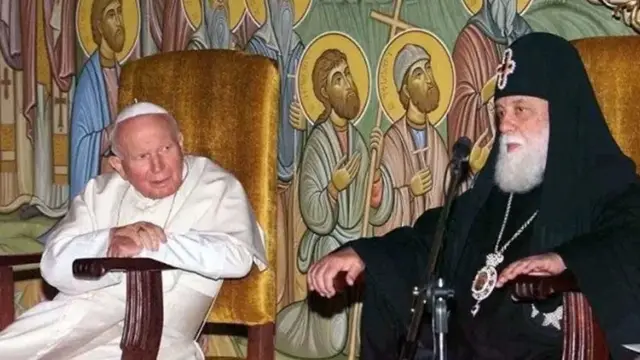
Ilia II's life cannot be measured only by the number of churches built, schools opened and years of ministry. His patriarchate spanned several entirely different eras of Georgia's recent history. He began his ministry in the Soviet state and lived through the national movement, the restoration of Georgia's independence, the hard 1990s and the new Georgia of the 21st century.
In these years society, the state and the Church itself changed.
Generations changed.
But Ilia II still stood on the patriarchal throne of Georgia.
It is precisely this length of time that gives his story its special feeling.
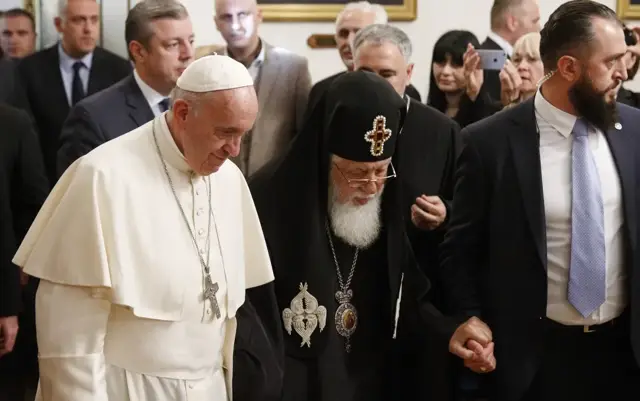
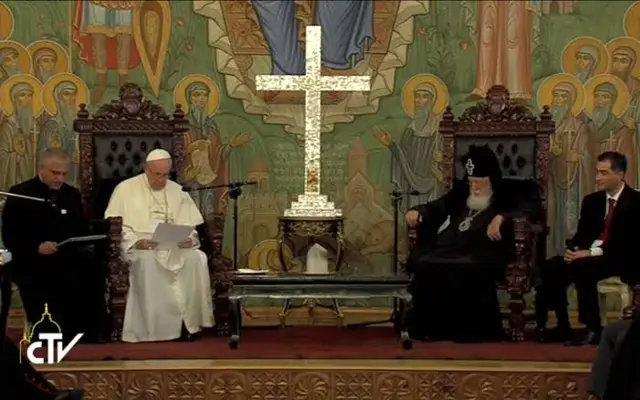
In the last years of his life age and health limited his daily ministry, but his appearance before the people remained a special event. When the aged patriarch gave his blessing, there often stood beside him hierarchs who had grown up and been formed during the years of his patriarchate.
In March 2026 his path came to an end, but the almost half-century he travelled will no longer vanish from the history of the Church of Georgia.
His name is linked with the revival of the Church after the Soviet decades, the international confirmation of autocephaly, the strengthening of theological education, the restoration of monastic life, the building of new churches and the return of whole generations to church life.
And yet perhaps the hardest part of his legacy to count is the part that appears neither in statistics nor in archival documents.
It is people's memories.
The child on whom he laid his hand and blessed.
The family whose child became his godchild.
The person who heard his word in a hard time.
The faithful who for decades listened to his prayer in Sioni, Svetitskhoveli or Sameba.
Ilia II remained in history as the patriarch in whose lifetime Georgia passed from one era to another. His patriarchate has ended, but the prayer offered for almost half a century, the churches he left, the generations of clergy he raised and the voice that remained in the people's memory continue to live after him.