Didube Church of the Nativity of the Mother of God
Once kings were blessed here and queens prayed for health; today, hidden in the noise of the city, the church still keeps that ancient prayer. A shepherd saw the icon of the Mother of God in a dream, and from then on this ground became holy. Centuries passed, palaces fell, Tbilisi changed, but in Didube prayer has never ceased.
- Region
- Tbilisi
- UNESCO
- No
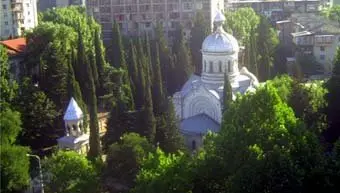
The Didube Church of the Nativity of the Most Holy Mother of God is one of the important historical and Orthodox holy places of Tbilisi. It stands on Akaki Tsereteli Avenue, beside the Didube Pantheon. Rising in a noisy part of the modern city, the church keeps the centuries-old memory of a place where the royal history of Georgia, Church tradition, special veneration of the Mother of God and the memory of Georgian public figures come together.
The historical significance of Didube is much older than the present church building. In the Middle Ages Didube was an important place on the outskirts of Tbilisi. One of the most significant mentions of its name is linked directly with the age of Queen Tamar.
The Georgian historical source "Histories and Eulogies of the Sovereigns", describing the wedding of Queen Tamar, relates that the nobles came "to the palace of Didube" and that the wedding celebration was held precisely there. This tells us that a royal palace or residence existed at Didube at that time. The source does not say directly that Tamar was married on the site of the present church, so such a claim must be treated with caution. Yet the existence of the royal palace gives researchers grounds to suppose that a court church may also have stood beside it.
That is why the connection of the Didube church with Queen Tamar became established with special significance in Georgia's historical memory. Over the centuries, in popular and church tradition, this place was perceived as one of the royal seats of Georgia's golden age.
Another tradition is linked with the church's early history. Church records of the 19th century preserve a story according to which Tamar's mother, Queen Burdukhan, fell gravely ill. King Giorgi III vowed that if she recovered he would build a church at Didube in the name of the Mother of God. According to tradition, after the queen's recovery a palace and a church were built on this site.
This story should not be regarded as a historical document; it has come down to us as a church tradition. Nevertheless, it shows how deeply Didube was linked in Georgian memory with the royal house of the Bagrationi and with veneration of the Most Holy Mother of God.
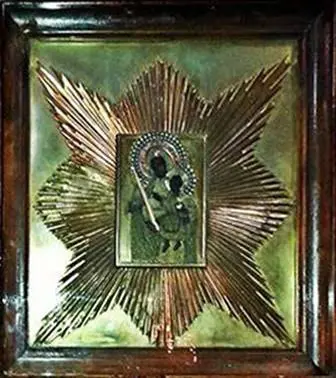
Another important spiritual tradition linked with the Didube church is the story of the miraculous icon of the Most Holy Mother of God. According to church tradition, a shepherd was grazing his flock here when an angel appeared to him in a dream and pointed out the place where the icon of the Mother of God lay. The shepherd did indeed find the holy object at the place indicated.
Later special veneration of the icon took root, and traditions of miraculous help and healing connected with its name also arose. That is why the Didube church was never merely a historical monument: for believers it became a special place of the intercession of the Mother of God.
Over the centuries the old church was damaged and restored more than once. Like the history of Tbilisi itself, the surroundings of Didube also endured many political and military trials. Especially important is the 1800 plan of Tbilisi, on which a "ruined church" is already marked near Didube. Researchers connect this building with the old church of the Mother of God at Didube.
In the middle of the 19th century, as Didube gradually became part of Tbilisi, the question of restoring the church became more pressing. It is known that in the '60s of the 19th century part of the church's vaults had collapsed and the building was in poor condition.
In 1882 the historian Mose Janashvili wrote with sorrow about the state of the Didube church, noting that renovation had begun but the church still remained half unfinished. In the end great effort was made by Archpriest Besarion Zedgenidze, whose name is directly linked with the building of the present church.
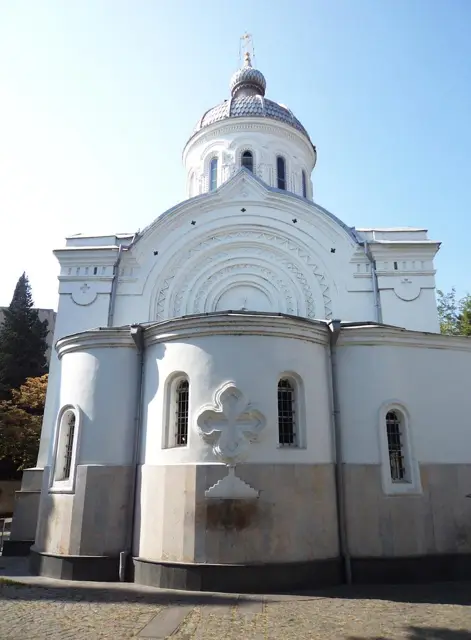
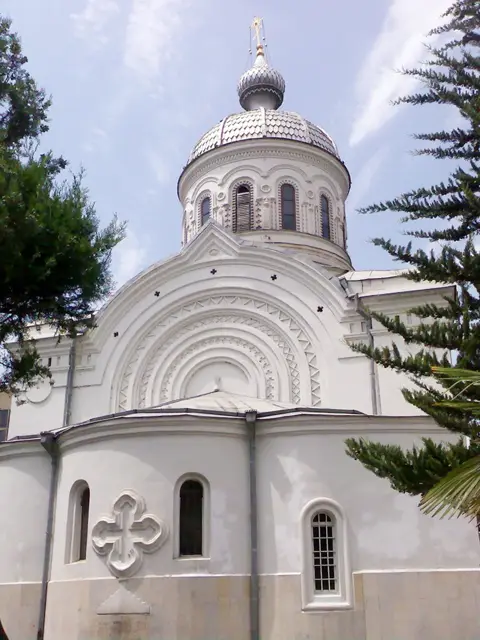
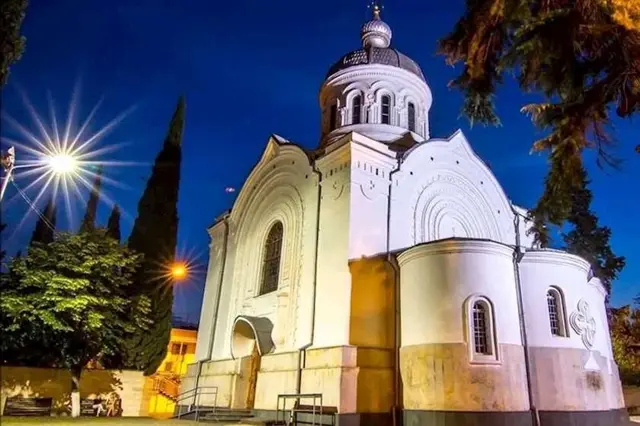
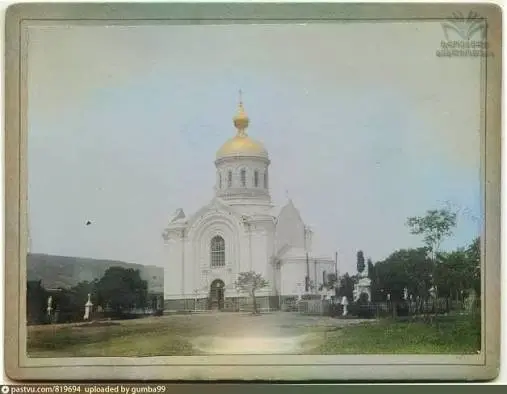
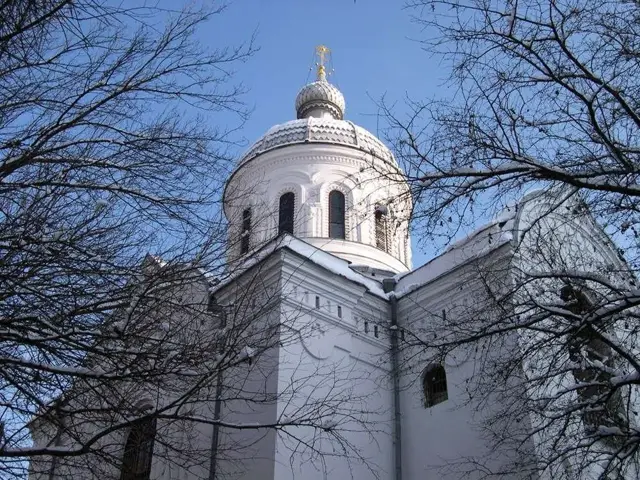
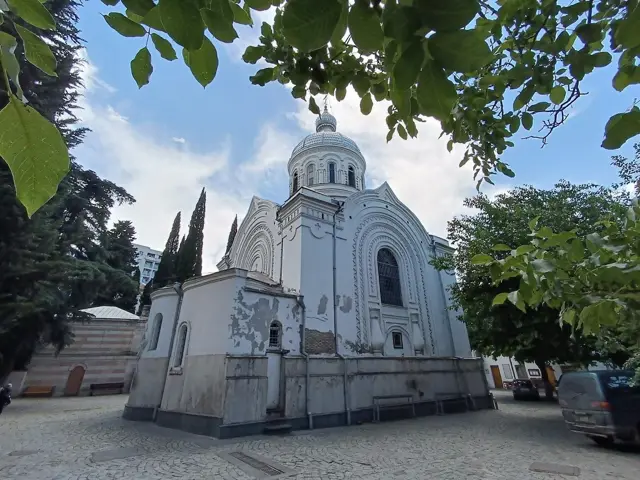
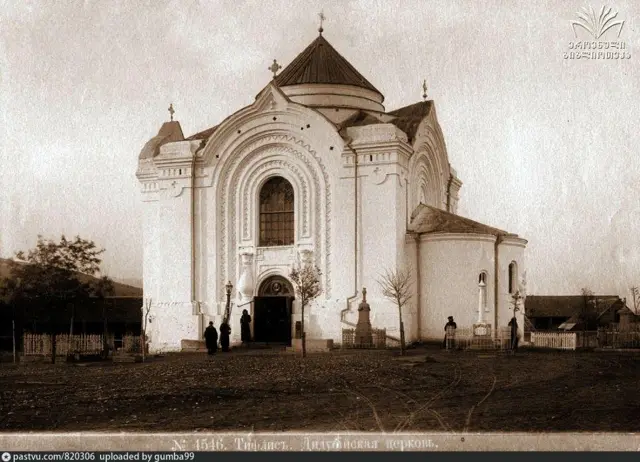
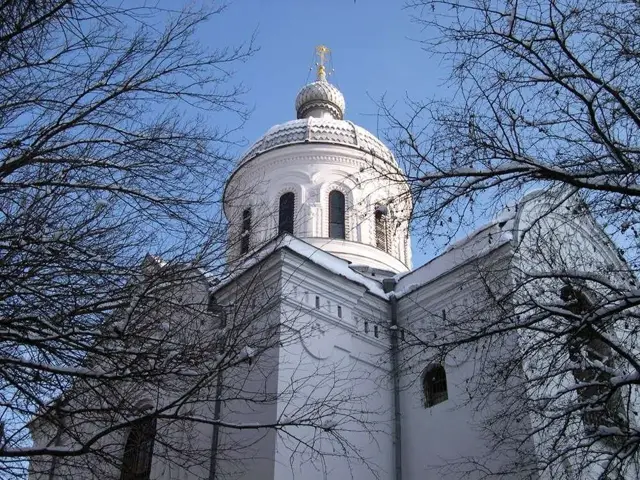
In 1884 construction of the new church at Didube was completed. Its architect was A. Chizhov. The new building was not a direct architectural continuation of the old church: it was built to a different plan and bore the features of the church architecture of that period. At first the church had no dome; later one was added, which played an important part in shaping the church's present appearance.
Inside the church an inscription connected with Besarion Zedgenidze is preserved to this day, commemorating him as the builder of the church. In former times there was also a cemetery around the church, although only a small part of it survives today.
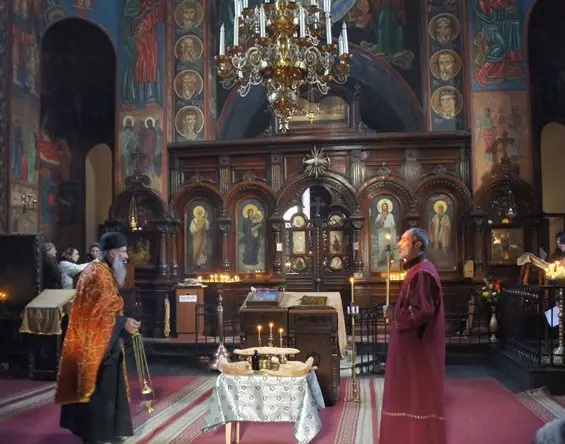
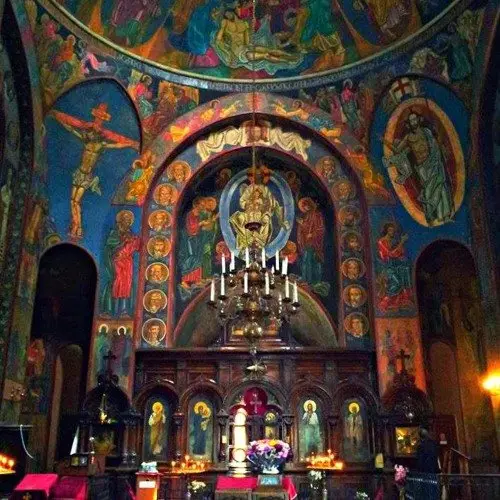
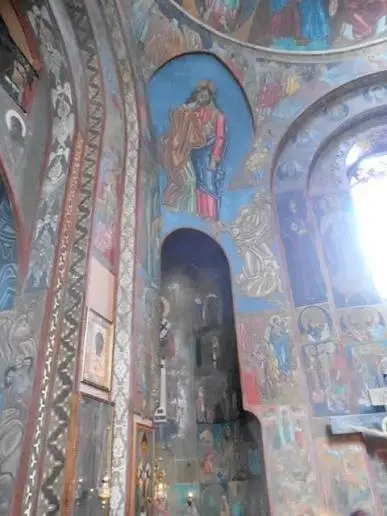
In the 20th century an important stage began in the artistic life of the church. One of Georgia's outstanding painters, Aleksandre Bandzeladze, painted the church interior in 1979–1988. Later, in 2007, restoration work was carried out on the paintings.
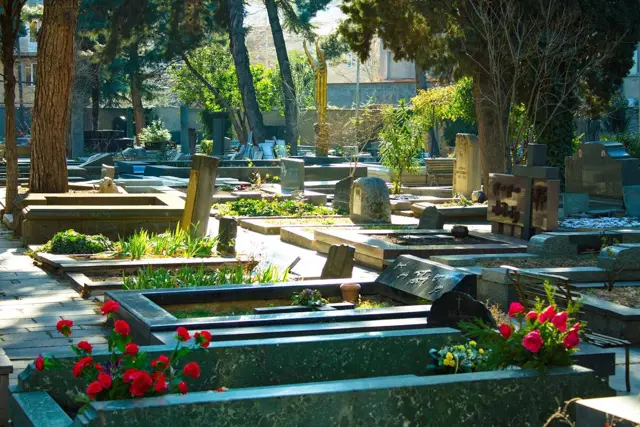
The Didube Pantheon beside it gives the surroundings of the Didube church special historical significance. The idea of creating a pantheon of Georgian writers and public figures took shape at the beginning of the 20th century. In 1915 the Society for the Spreading of Literacy among Georgians decided to arrange a resting place for eminent people within the enclosure of the Didube church of the Mother of God.
Georgian writers, actors, scientists, artists and public figures were buried here at various times. Later the remains of some outstanding figures were moved to the Mtatsminda Pantheon, but Didube remained an important place of Georgian cultural memory.
Well-known representatives of Georgian culture such as Nato Vachnadze, Mikheil Tumanishvili, Otar Meghvinetukhutsesi and Mikheil Tamarashvili rest in the pantheon, along with many other important figures. Thus another space of spiritual and national memory took shape beside the church.
Yet the main significance of Didube lies in its church life. Over the centuries the buildings changed, the old church fell and was rebuilt, but the bond of this place with the name of the Most Holy Mother of God did not disappear.
Today the Didube Church of the Nativity of the Most Holy Mother of God is a functioning Orthodox church. The Divine Liturgy is still celebrated here, believers gather, candles are lit and the tradition of prayer continues in the same space that the royal, church and social history of Georgia has touched over the centuries.
The Didube Church of the Nativity of the Mother of God is not merely a 19th-century architectural building. Its significance is much deeper: it stands on a site connected with royal Didube of the age of Queen Tamar, with old church traditions, with the veneration of the icon of the Mother of God and with the memory of Georgian public figures.
Centuries have passed from the royal Didube of Queen Tamar's time to today's functioning church. Tbilisi changed, the old palaces vanished and the church itself changed many times, but at Didube the memory of prayer dedicated to the Mother of God remained. Today this church still unites faith, history and the spiritual memory of Georgia.